
International
India Charges LeT Founder Hafiz Saeed Over Deadly Kashmir Tourist Attack

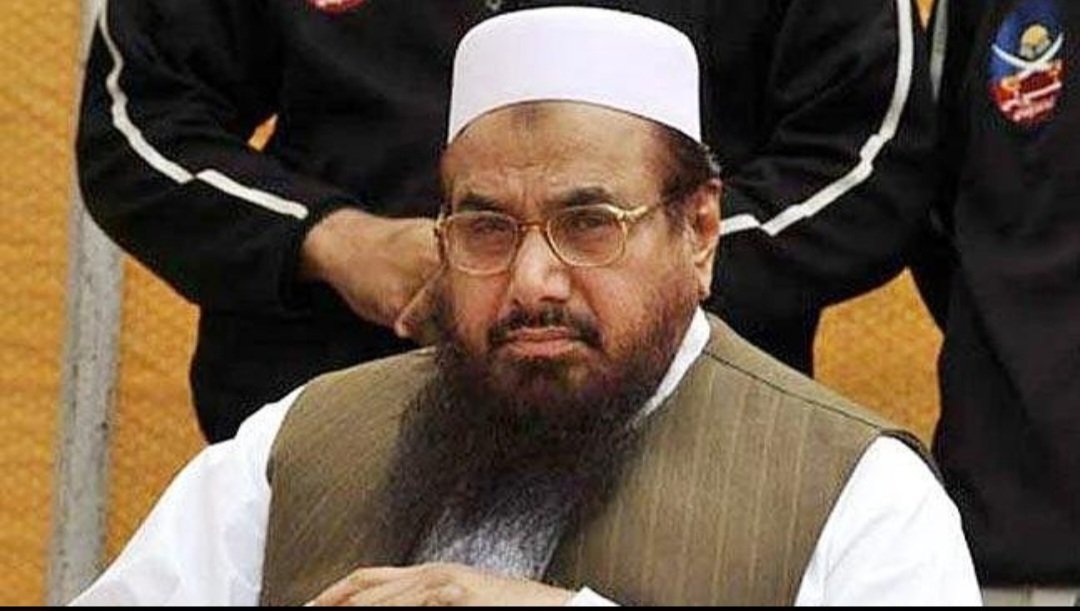
India’s National Investigation Agency (NIA) has filed a supplementary chargesheet against Hafiz Saeed, founder of the Pakistan-based militant group Lashkar-e-Taiba (LeT), accusing him of masterminding the deadly attack on tourists in Pahalgam, Indian-administered Kashmir, that killed 26 people and sharply escalated tensions between India and Pakistan.
According to the NIA, Saeed has been charged both in his individual capacity and as the head of the banned Lashkar-e-Taiba and its alleged proxy organization, The Resistance Front (TRF). Investigators say the supplementary chargesheet contains evidence detailing what they describe as a cross-border conspiracy, Saeed’s alleged role in planning the attack, and findings gathered through forensic examinations and on-the-ground investigations.

The attack took place on April 22, 2025, when gunmen opened fire on tourists in the scenic Baisaran Valley near Pahalgam, killing 25 tourists and a local guide. Indian authorities blamed Pakistan-based militants for the assault, alleging they were supported from across the border. Pakistan has consistently denied any involvement and has called for an independent international investigation.
The latest chargesheet expands on an earlier case filed by the NIA in December, which named Lashkar-e-Taiba, The Resistance Front, and six other accused individuals. The agency says the new filing specifically outlines Saeed’s alleged leadership role in directing and coordinating the attack, and includes charges under India’s Bharatiya Nyaya Sanhita (BNS) and the Unlawful Activities (Prevention) Act (UAPA), including conspiracy and waging war against India.
Hafiz Saeed has long been one of India’s most wanted terrorism suspects. He is widely accused by India and several Western governments of being the mastermind behind the 2008 Mumbai terrorist attacks, which killed 166 people. Saeed has been imprisoned in Pakistan since 2020 after being convicted on terrorism financing charges, although India has repeatedly sought his extradition to face trial.

The filing of fresh charges is expected to further strain already fragile relations between New Delhi and Islamabad, which remain divided over Kashmir and allegations of cross-border militancy. Indian officials say the move reflects their determination to pursue accountability for attacks on civilians, while Pakistan continues to reject accusations that it sponsors terrorism in the region.