
International
Austrian Court Convicts Former Syrian Intelligence Chief Over Torture in Raqqa

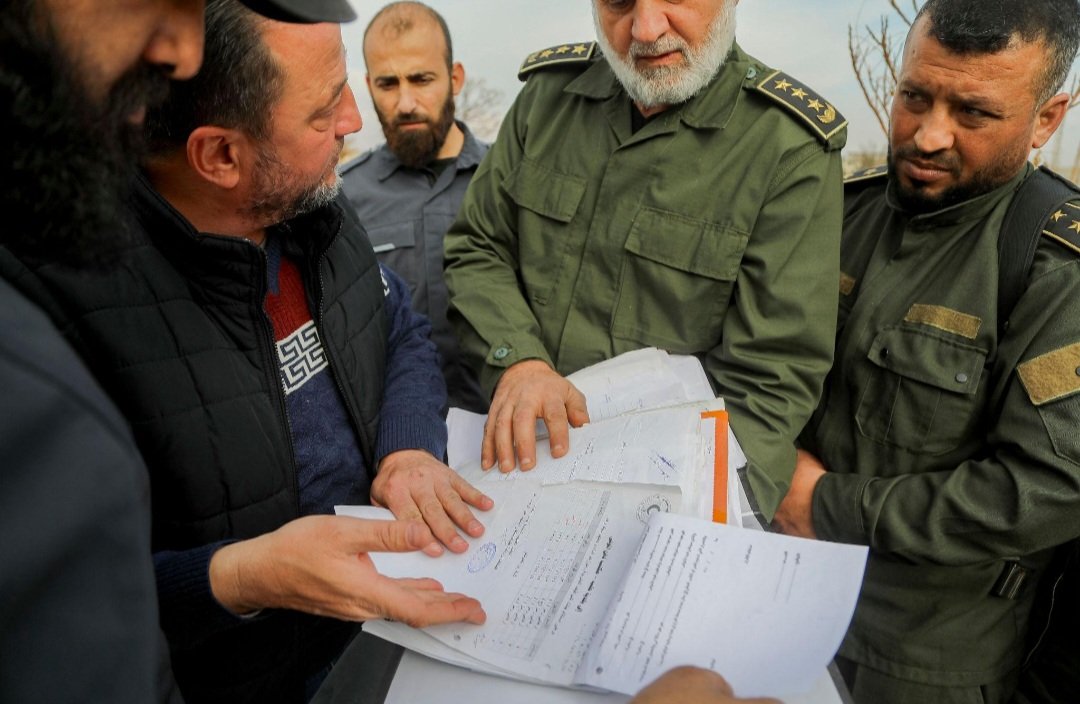
An Austrian court has convicted a former senior Syrian intelligence official for his role in torture and other abuses committed in the city of Raqqa during Syria’s civil war, marking another significant use of universal jurisdiction by a European country to prosecute alleged war crimes committed abroad.
The defendant, who previously served as an intelligence chief in Raqqa under the government of Syrian President Bashar al-Assad, was found guilty of involvement in the torture of detainees and participation in a system of repression that targeted civilians during the conflict. Prosecutors argued that the accused played a key role in overseeing detention facilities where prisoners were subjected to severe physical and psychological abuse.

According to court findings, the crimes occurred before Raqqa later became known internationally as a stronghold of the extremist group ISIS. During the period covered by the case, Syrian security services were accused of conducting widespread arrests, interrogations and torture campaigns against suspected opponents of the government.

The trial relied on testimony from survivors, former detainees, human rights investigators and expert witnesses who described conditions inside detention centers. Witnesses recounted allegations of beatings, stress positions, deprivation of food and medical care, and other forms of mistreatment that prosecutors said constituted torture under international law.

Austrian authorities pursued the case under the principle of universal jurisdiction, which allows national courts to prosecute certain grave international crimes regardless of where they were committed. Human rights organizations have increasingly supported such cases as a means of seeking accountability for atrocities committed during the Syrian conflict, particularly when prosecutions remain difficult inside Syria itself.
Legal experts described the verdict as an important step for victims and survivors seeking justice more than a decade after the outbreak of Syria’s civil war. Rights groups said the ruling demonstrates that former officials accused of serious human rights violations can still face prosecution even after leaving their home countries.

The conviction follows similar cases in several European nations, including Germany, France and Sweden, where courts have examined allegations of torture, crimes against humanity and war crimes linked to the Syrian conflict. Advocates say these proceedings help document abuses and preserve evidence while broader international accountability efforts continue.

The defendant’s legal team is expected to review the judgment and consider possible appeals. Meanwhile, human rights organizations welcomed the verdict, arguing that it sends a message that torture and other serious abuses will not be forgotten despite the passage of time.