
International
Trump Lets Bipartisan Housing Bill Become Law Without Signature in Protest Over Voter ID Push

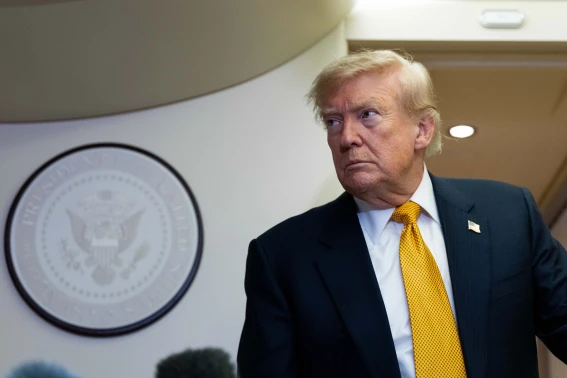
President Donald Trump has allowed a landmark bipartisan housing bill to become law without his signature, saying he was withholding his endorsement in protest over the Senate’s failure to pass a strict voter identification measure backed by his administration.
The legislation, known as the 21st Century ROAD to Housing Act, had already secured overwhelming bipartisan support in both chambers of Congress, passing with veto-proof majorities. Under the U.S. Constitution, a bill becomes law if the president neither signs nor vetoes it within the prescribed period while Congress remains in session.

In a post on social media, Trump said he would not sign the housing legislation “in protest” because the Senate had failed to approve the SAVE America Act, a Republican-backed proposal that would require proof of citizenship or stricter voter identification standards for federal elections. The bill has not gained enough support in the Senate to advance.
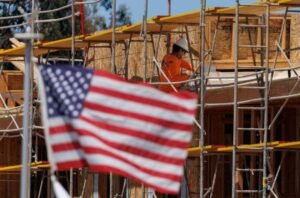
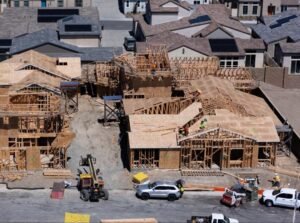
Despite Trump’s refusal to sign the measure, the housing law is considered one of the most significant federal efforts in decades to address the United States’ housing affordability crisis. The legislation includes dozens of provisions intended to increase housing supply, streamline construction regulations, reduce development delays and make homeownership more accessible.

Among its key measures are efforts to simplify environmental reviews for housing projects, encourage new residential construction and limit the number of single-family homes that can be purchased by large institutional investors, a practice critics say has contributed to rising home prices in many communities.
The president’s decision has drawn criticism from Democratic lawmakers, who argued that housing affordability should not be linked to unrelated election legislation. Senate Democratic leaders accused Trump of prioritizing political disputes over a measure designed to help ease rising housing costs.

Some Republicans also expressed disappointment that the bill would not receive a formal presidential signing ceremony, viewing the legislation as a major policy achievement ahead of the midterm elections. Housing affordability has consistently ranked among voters’ top economic concerns across the United States.
Housing advocates broadly welcomed the law’s enactment, although many noted that it is not a complete solution to the nation’s housing shortage. Experts say additional federal, state and local initiatives will still be needed to address supply constraints, zoning restrictions and rising construction costs.

Trump’s decision highlights ongoing divisions within his own party over legislative priorities. While Republican leaders have promoted both housing reform and election security, the president has repeatedly insisted that voter identification legislation should take precedence.
Although the White House declined to hold a bill-signing ceremony, the legislation has now officially entered into force, marking a rare example of a major bipartisan law taking effect without the president’s signature. Lawmakers and housing groups are expected to begin working on implementation in the coming months.