
International
Trump Administration Subpoenas New York Times Journalists Over Air Force One Security Report

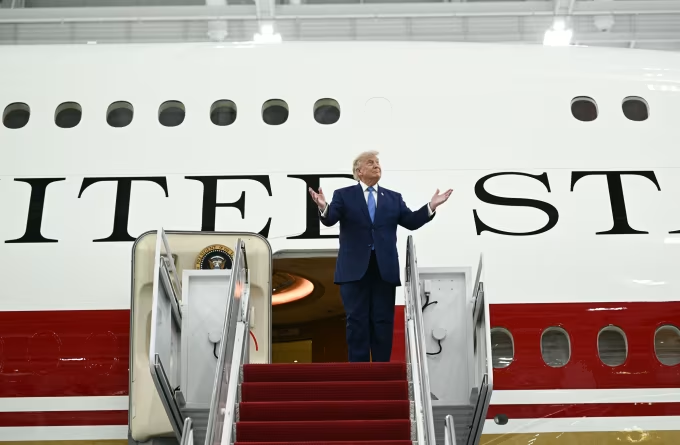
The administration of U.S. President Donald Trump has issued subpoenas to several New York Times journalists following their reporting on alleged security vulnerabilities involving the new Air Force One aircraft, a move that has ignited a fierce debate over press freedom, government transparency and the protection of confidential sources.
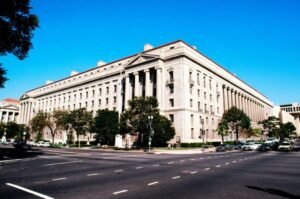
According to the newspaper, federal agents delivered subpoenas on Friday to reporters Julian E. Barnes, Eric Lipton, Tyler Pager, and Eric Schmitt, compelling them to appear before a federal grand jury in Manhattan. The subpoenas are part of a Justice Department investigation aimed at identifying the source of information used in the newspaper’s report on the presidential aircraft’s security capabilities.
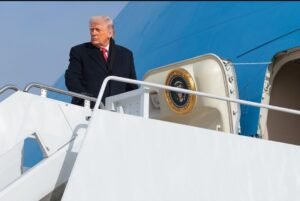
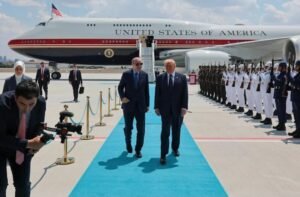
The controversy stems from a New York Times report published earlier this week which claimed that President Trump flew to the NATO summit in Turkey aboard a newly refurbished Boeing 747-8 aircraft donated by Qatar but returned to the United States on the older Air Force One after security officials reportedly raised concerns about the new aircraft’s defensive systems. The report suggested the jet had not yet been fully equipped with sophisticated countermeasures, including missile-defense technology typically installed on presidential aircraft.
The White House has strongly denied that the aircraft was unsafe. Communications officials insisted the plane meets stringent security standards and said the decision to switch aircraft was based on operational “distraction and misdirection” tactics rather than any shortcomings in the jet itself. The administration has maintained that the investigation is focused on unauthorized disclosures of classified information, not on the journalists personally.

The New York Times condemned the subpoenas, describing them as an unprecedented attempt to intimidate reporters and undermine investigative journalism. The newspaper argued that compelling journalists to reveal confidential sources threatens the constitutional protections afforded to a free press and could discourage whistleblowers from exposing matters of public interest.
Press freedom organizations quickly rallied behind the journalists. The National Press Club and the Freedom of the Press Foundation criticized the subpoenas as an attack on First Amendment rights, warning that forcing reporters to testify before a grand jury could have a chilling effect on national security reporting and government accountability.
The latest action adds to growing tensions between the Trump administration and major U.S. news organizations. Since returning to office, the administration has pursued several leak investigations and introduced stricter policies governing media access to government institutions, drawing criticism from press advocates who argue the measures risk weakening transparency and independent journalism.
Legal analysts say the case could become a significant test of the balance between national security investigations and the constitutional protections afforded to journalists. As the reporters prepare to respond to the subpoenas, the outcome may shape future disputes over government leaks, source confidentiality and the role of the press in scrutinizing national security matters.