
International
Trump Ally Senator Lindsey Graham Dies at 71 After Brief and Unexpected Illness

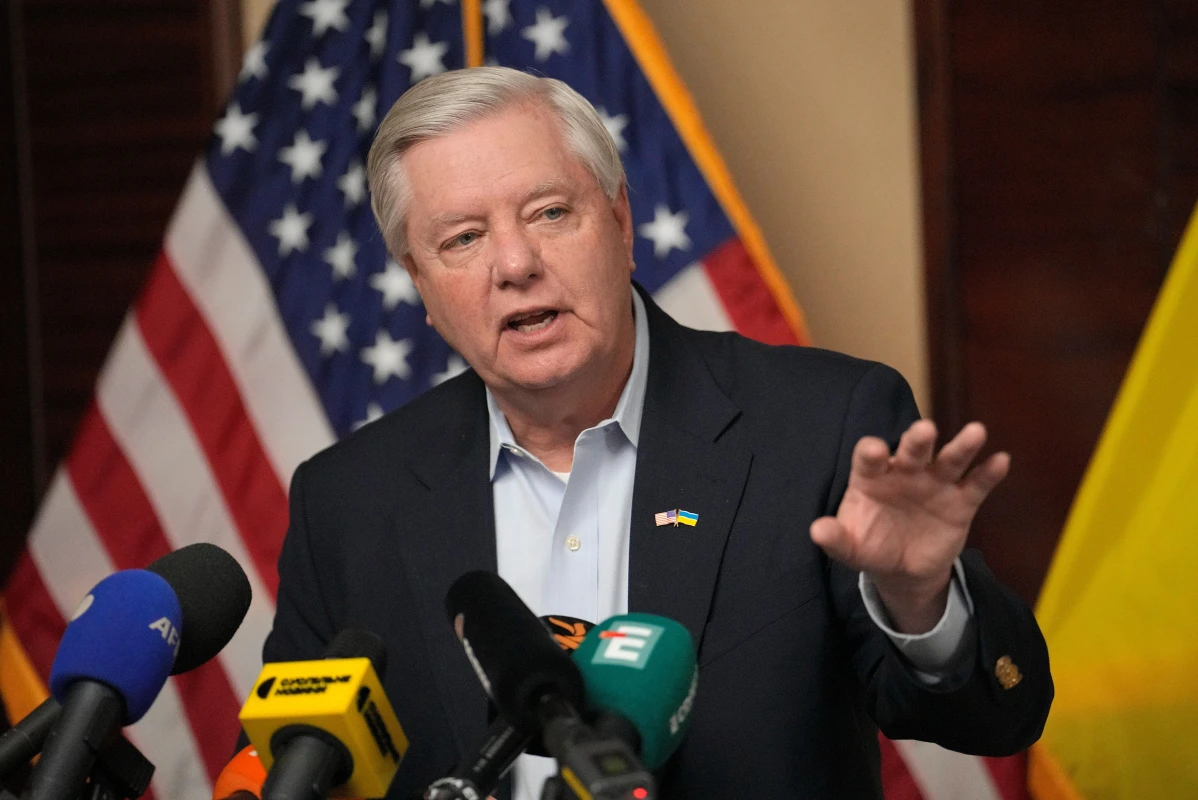
Veteran U.S. Senator Lindsey Graham, one of President Donald Trump’s closest political allies and one of the Republican Party’s most influential voices on foreign policy, has died at the age of 71 after what his office described as a “brief and sudden illness.” The South Carolina lawmaker’s death was announced early Sunday, sending shockwaves through Washington and prompting tributes from political leaders in the United States and abroad.
According to a statement from Graham’s office, the senator became ill on Saturday and died later that evening. His staff did not disclose the nature of the illness or provide additional medical details, requesting privacy for his family during the mourning period. Graham had recently returned from a visit to Ukraine, where he met with senior officials and discussed additional sanctions against Russia.

Graham served in the U.S. Senate since 2003 after representing South Carolina in the House of Representatives from 1995 to 2003. A former lawyer in the U.S. Air Force’s Judge Advocate General’s Corps, he built a reputation as one of the Senate’s leading voices on national security, military affairs and judicial nominations. During his career, he chaired both the Senate Judiciary Committee and the Senate Budget Committee, playing a central role in confirming federal judges, including Supreme Court Justice Amy Coney Barrett, and shaping major Republican legislative priorities.

Although Graham was a sharp critic of Donald Trump during the 2016 Republican presidential primaries, their relationship evolved dramatically after Trump’s election. Over the following years, Graham became one of the president’s most loyal allies, defending him during impeachment proceedings, advising him on foreign policy and frequently accompanying him at campaign events and international engagements. His close ties to the White House made him one of the administration’s most influential congressional supporters.
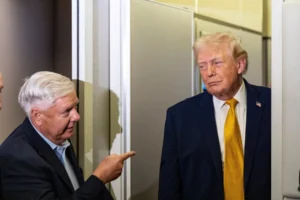
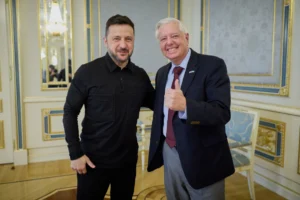
Tributes poured in almost immediately after news of his death broke. President Trump described Graham as “one of the greatest people and Senators I have ever known” and praised him as a “true American patriot.” Senate Majority Leader John Thune honored Graham’s decades of public service, while Ukrainian President Volodymyr Zelenskyy remembered him as a steadfast supporter of Ukraine’s fight against Russia. Israeli Prime Minister Benjamin Netanyahu also expressed condolences, highlighting Graham’s long-standing support for Israel and the U.S.-Israel alliance.
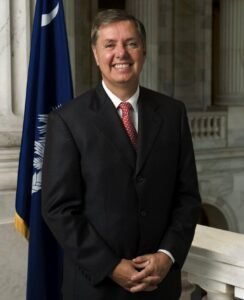
At the time of his death, Graham was campaigning for a fifth full Senate term in the November elections. Under South Carolina law, Governor Henry McMaster is expected to appoint an interim replacement while arrangements are made for a special election to fill the remainder of the term. Political analysts say the vacancy is likely to spark one of the most closely watched Senate races in the country.
Throughout his career, Graham remained a prominent advocate of a robust U.S. military and an assertive foreign policy. He was widely known for his support of Ukraine, strong backing of Israel, and calls for increased pressure on adversaries including Russia, Iran and China. While admired by supporters for his willingness to engage in difficult national security debates, he also attracted criticism from opponents over his hawkish positions and evolving political alliances.

Graham’s death marks the end of a political career that spanned more than three decades and leaves a significant void within the Republican Party and the U.S. Senate. As Washington mourns one of its most recognizable lawmakers, attention is now turning to the political implications of his passing and the future leadership of South Carolina’s Senate delegation.