
Entertainment
Paramount–Warner Bros. Discovery Merger Lawsuit Faces Uncertain Future Amid Industry Decline

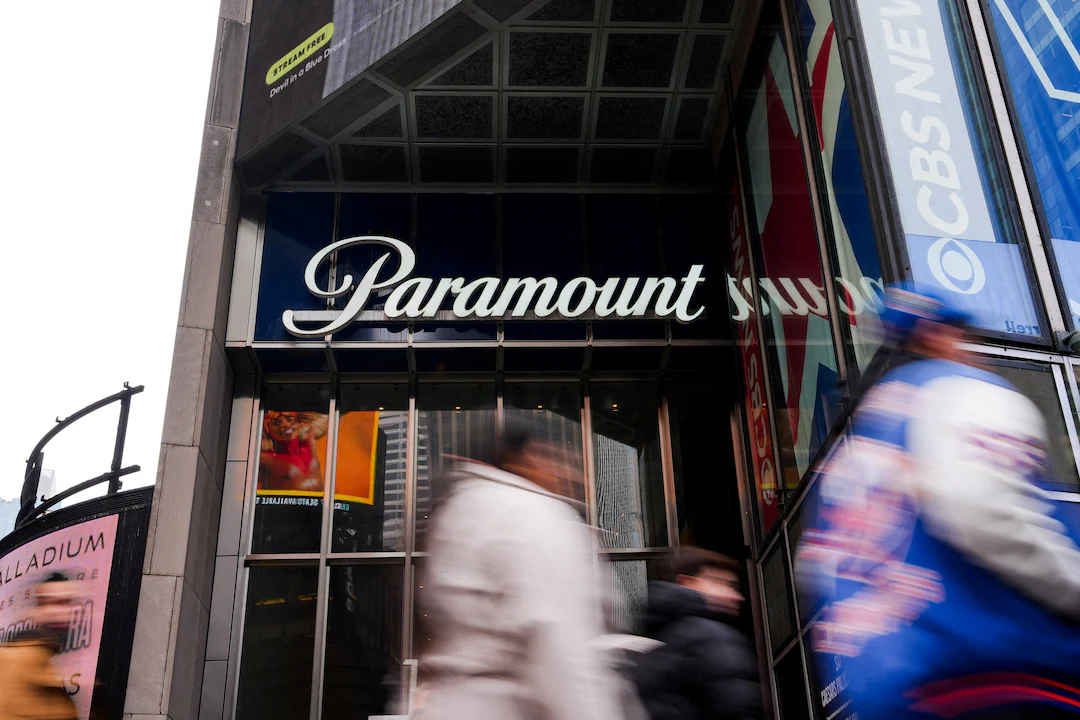
The legal battle over Paramount’s proposed $110 billion acquisition of Warner Bros. Discovery (WBD) is entering a critical phase, with industry analysts warning that the lawsuit may end up illustrating the broader decline of traditional Hollywood rather than determining its future. A coalition of 12 U.S. states, led by California, has filed an antitrust lawsuit seeking to block the merger, arguing that it would significantly reduce competition in the entertainment industry and ultimately harm consumers.
The lawsuit contends that combining Paramount and Warner Bros. Discovery would unite two of Hollywood’s largest legacy studios, giving the merged company substantial influence over theatrical film releases, television programming and cable networks. State attorneys general argue that such market concentration could lead to fewer films, higher prices for consumers, reduced bargaining power for independent cinemas and fewer employment opportunities across the entertainment industry.

California Attorney General Rob Bonta, who is leading the legal challenge, said the merger would “extinguish competition” by consolidating some of the industry’s most valuable assets, including CBS, CNN, HBO Max, Paramount+, MTV, Nickelodeon, Warner Bros. Pictures and several major film franchises. The coalition argues that the combined company could control a significant share of blockbuster theatrical releases and the U.S. basic cable market.
Paramount has strongly rejected the allegations, insisting that the lawsuit misunderstands today’s entertainment landscape. Company executives argue that the real competitive threat comes not from traditional movie studios but from technology-driven streaming giants such as Netflix, Amazon and Apple, which have transformed how audiences consume films and television. According to Paramount, the merger would strengthen not weaken, competition by allowing legacy media companies to better compete with these global platforms.

Financial pressure has added urgency to the dispute. Reports indicate that if the merger is delayed beyond the agreed closing deadline later this year, Paramount could face hundreds of millions of dollars in financial penalties, further increasing pressure on both companies to resolve the legal battle quickly. Credit agencies have also expressed concern about Paramount’s debt burden as traditional television revenues continue to decline.
Despite the legal challenge, several analysts believe the lawsuit faces significant hurdles. Antitrust experts say the case will largely depend on whether the court accepts the states’ argument that blockbuster theatrical films and traditional cable television constitute separate markets. Paramount is expected to argue that consumers increasingly view streaming services, digital platforms and traditional studios as part of the same highly competitive entertainment market.

Observers also note that the dispute comes at a time when Hollywood itself is undergoing profound structural change. U.S. box office revenues remain below pre-pandemic levels, while millions of households continue to cancel cable subscriptions in favor of streaming services. Analysts suggest that even if the merger is blocked, both companies will still face the same long-term challenges confronting the traditional media industry.
International regulators, including authorities in the United Kingdom and the European Union, are still reviewing aspects of the proposed transaction, meaning additional approvals may be required before any merger can proceed. Until then, the lawsuit is expected to remain one of the most closely watched antitrust battles in the global media industry.
Legal experts say the case has implications far beyond Paramount and Warner Bros. Discovery. The outcome could influence future mergers involving major entertainment companies and help define how regulators assess competition in an era where streaming platforms increasingly dominate global media consumption. Regardless of the court’s decision, analysts argue that the litigation reflects a broader reality: Hollywood’s biggest challenge may no longer be competition between traditional studios, but adapting to a rapidly changing digital entertainment landscape.