
Disaster/Tragedy
Catastrophic Flooding Sweeps Across Texas as Deadly Rains Trigger Hundreds of Rescues

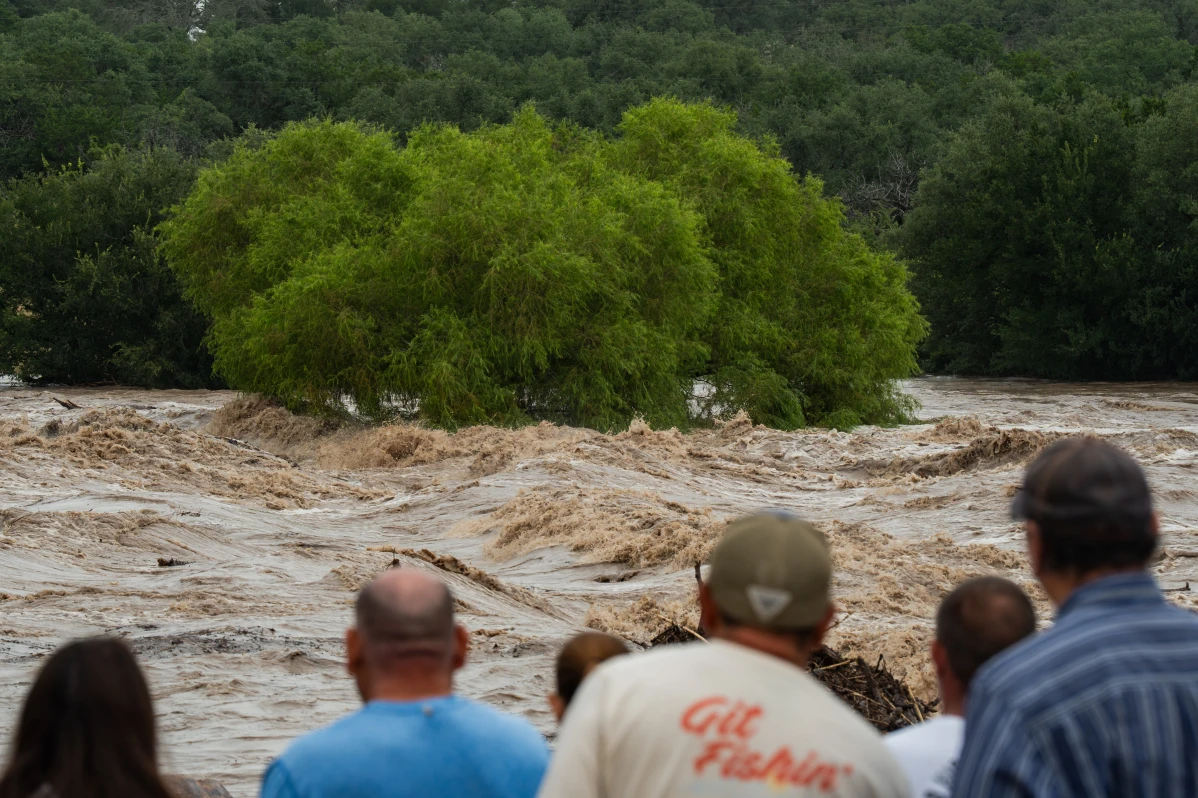
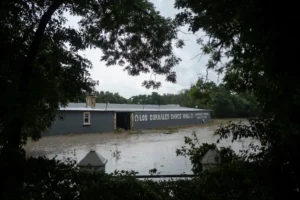
Catastrophic flooding has inundated large parts of Texas after days of torrential rainfall sent rivers surging over their banks, submerging homes, washing out roads and forcing hundreds of people to flee rising floodwaters. Emergency crews have mounted a massive rescue operation as communities across the Texas Hill Country continue to battle one of the state’s worst flooding events in recent years.
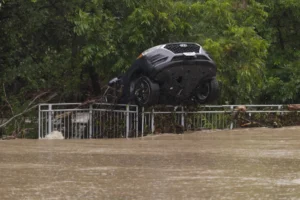
Authorities confirmed that at least two people have died, while hundreds have been rescued from flooded neighborhoods, stranded vehicles and isolated homes. Texas Governor Greg Abbott said more than 2,300 emergency personnel and approximately 1,400 emergency vehicles and pieces of equipment, including Black Hawk helicopters, rescue boats and high-water vehicles, have been deployed across the state to assist affected communities.
The worst-hit areas include Uvalde County, Kerr County, Real County, Kendall County and other parts of the Texas Hill Country, where relentless rain caused the Guadalupe, Nueces, Frio and Pedernales rivers to rise rapidly. In some locations, nearly 20 inches (about 500 mm) of rain fell within two days, overwhelming drainage systems and causing widespread flash flooding.
Emergency responders worked throughout the day and night to rescue residents trapped by fast-moving floodwaters. Helicopter crews airlifted stranded motorists, while swift-water rescue teams evacuated families from homes surrounded by rising rivers. Among those rescued was a man and his dog, who were lifted to safety after becoming trapped in a flooded truck.

State and local authorities warned that the danger was far from over, with the National Weather Service issuing multiple flash flood emergencies and urging residents in vulnerable areas to move immediately to higher ground. Officials repeatedly advised motorists not to drive through flooded roads, stressing that even shallow moving water can become deadly.
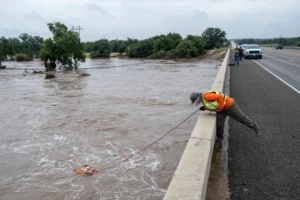
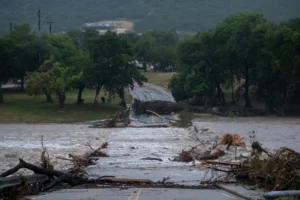
The flooding has destroyed roads, damaged bridges and left entire neighborhoods inaccessible. Schools and public offices have been closed in several counties, while emergency shelters have opened to accommodate displaced residents. Officials said dozens of road sections remain closed because of washouts and high water.
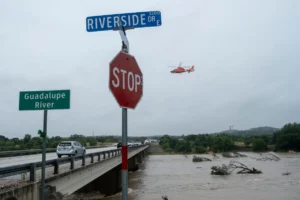
Meteorologists attributed the disaster to a slow-moving storm system that continuously drew warm, moisture-rich air over Central Texas, producing prolonged and intense rainfall. Experts noted that the region’s rugged terrain and thin soils make the Texas Hill Country especially vulnerable to sudden flash floods.
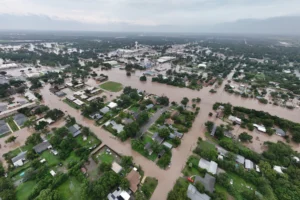
The latest disaster comes just a year after the devastating 2025 floods that killed more than 100 people in the same region, prompting officials to improve flood warning systems and emergency preparedness. While authorities say the upgraded alert systems provided earlier warnings in many communities, they cautioned that the scale of the rainfall still created life-threatening conditions.

Forecasters warned that additional rainfall could worsen flooding in the coming days, with several rivers expected to remain above flood stage. Emergency officials have urged residents to monitor weather updates, heed evacuation orders and avoid unnecessary travel until conditions improve.