
War
US Military Completes 12th Straight Night of Strikes on Iran as Conflicts Deepens

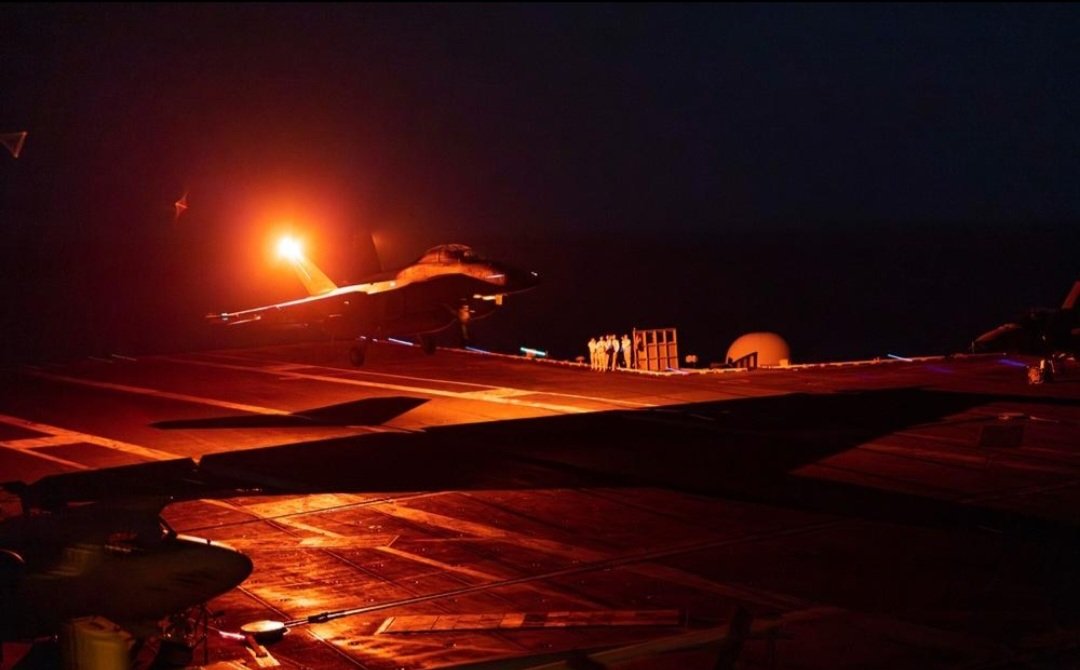
The United States military has completed its 12th consecutive night of airstrikes against Iran, marking the longest uninterrupted phase of the Trump administration’s ongoing military campaign and underscoring the growing risk of a wider conflict across the Middle East. The latest operation, carried out under the direction of President Donald Trump, targeted multiple Iranian military facilities linked to missile, drone and maritime operations, according to the U.S. Central Command (CENTCOM).


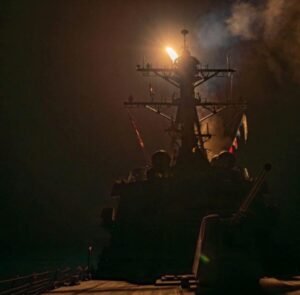
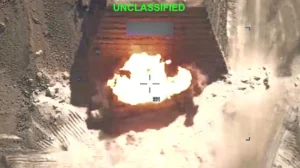
CENTCOM said U.S. forces used fighter aircraft, warships and armed drones during a five-hour operation that struck Iranian military assets, including missile and drone storage facilities, coastal surveillance sites, air defence systems, military logistics infrastructure and maritime capabilities. The military said the strikes were intended to further degrade Iran’s ability to threaten commercial shipping and U.S. forces operating in the region.
The latest attacks are part of a sustained U.S. campaign that began earlier this month after the collapse of a fragile ceasefire and a series of Iranian-linked attacks on commercial vessels and regional U.S. interests. Since then, American forces have carried out nightly operations against dozens of military targets across southern Iran while also reinforcing naval deployments in the Strait of Hormuz and surrounding waters.
The strikes come amid rapidly escalating regional tensions. President Trump has warned that the United States would retaliate forcefully against any further attacks on commercial shipping, pledging to destroy key Iranian infrastructure; including bridges and power plants, if Tehran targets vessels transiting the Strait of Hormuz. Iranian officials have condemned the threats, warning that any attack on civilian infrastructure would trigger a proportional response against strategic economic and energy facilities across the region.
The military escalation has coincided with mounting instability in regional shipping lanes. On the same day, Yemen’s Iran-backed Houthi movement claimed responsibility for attacks on two Saudi oil tankers in the Red Sea, while reiterating threats to shipping passing through the Bab el-Mandeb Strait. The attacks have heightened concerns over the security of two of the world’s most critical maritime chokepoints, through which a significant share of global oil supplies passes.
The continued fighting has already had significant economic consequences. Oil prices have climbed on fears of prolonged supply disruptions, insurance costs for commercial vessels have surged, and shipping companies are increasingly weighing whether to reroute cargo around Africa’s Cape of Good Hope, adding weeks to delivery times and increasing transportation costs. Analysts warn that a prolonged conflict could further strain global energy markets and fuel inflation worldwide.
Diplomatic efforts to halt the fighting have so far failed to produce a breakthrough. Mediation attempts by regional powers, including Pakistan and Türkiye, have yet to narrow the gap between Washington and Tehran, with both governments maintaining hard-line positions. As military operations continue, international observers are expressing growing concern that the conflict could spread further across the Middle East, drawing in additional regional actors and increasing the humanitarian and economic toll.