
Africa
Tanzanian Lecturer Charged With Terrorism After Anti-Government Protest Arrest


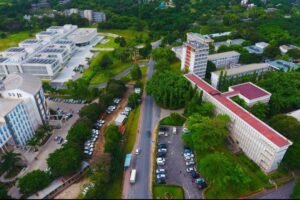
A lecturer at the University of Dodoma, Melkisedek Kaijage, has been charged with terrorism after initially being detained over allegations of encouraging anti-government protests, in a case that has intensified concerns about political freedoms and the use of anti-terror laws in Tanzania.
Kaijage had spent 15 days in police custody on allegations of inciting demonstrations before appearing before a magistrate’s court seeking bail. However, prosecutors unexpectedly upgraded the case to terrorism during the court proceedings, making the offence non-bailable under Tanzanian law and leading to his transfer to Isanga Prison.
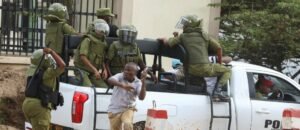
The lecturer was among more than 130 people arrested during a nationwide security operation ahead of planned demonstrations scheduled for 7 July. The protests, organised by youth activists and opposition supporters, were intended to demand democratic reforms, greater political freedoms and justice for hundreds of people killed during the country’s post-election violence last year. Authorities banned the demonstrations before they could take place, deploying large numbers of police officers across major cities.
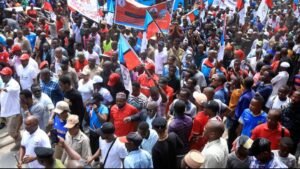
According to Tanzania Police, those arrested were suspected of incitement and organising unlawful public gatherings. Officials argued that the ban on the protests was necessary to maintain public order and national security, insisting that unauthorized demonstrations could lead to violence and disruption.
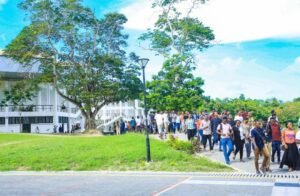
Kaijage’s arrest has attracted widespread attention within Tanzania’s academic community. The University of Dodoma Academic Staff Association (UDOMASA) had successfully obtained a court order granting him bail on the original allegations. However, before the release could be completed, prosecutors substituted the charges with terrorism, effectively preventing his release. UDOMASA chairman Dr. Gerald Shija said the association was informed of the change only after Kaijage had already been remanded on the new charge.
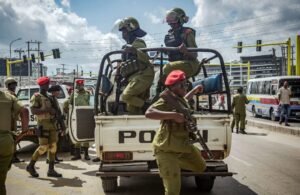
The case has sparked concern among academics and human rights advocates, who argue that the use of terrorism legislation against individuals accused of political offences could have a chilling effect on academic freedom, freedom of expression and peaceful civic participation. Several legal experts noted that terrorism charges carry severe penalties and strict bail restrictions, making them among the most serious offences under Tanzanian law.
The protests themselves were linked to growing public anger over the government’s handling of the 2025 post-election violence, during which an official commission reported that at least 518 people were killed. Protest organisers had demanded accountability for those deaths, electoral reforms and stronger protections for civil liberties. The government has rejected accusations by rights groups that security forces used excessive force during the unrest.
President Samia Suluhu Hassan’s administration has repeatedly maintained that it supports constitutional rights while insisting that all political gatherings must comply with the law. Government officials argue that law enforcement agencies are acting within their legal mandate to preserve peace and investigate offences linked to public disorder. Rights organisations, however, say the arrests reflect a broader crackdown on dissent as Tanzania prepares for future political contests.

Kaijage remains in custody pending further court proceedings. His legal team is expected to challenge the terrorism charge, while the case is likely to remain under close scrutiny both within Tanzania and internationally because of its implications for civil liberties, academic independence and political freedoms.