
Africa
South Africa Faces Fresh Xenophobic Tensions as Migrant-Owned Businesses Are Targeted

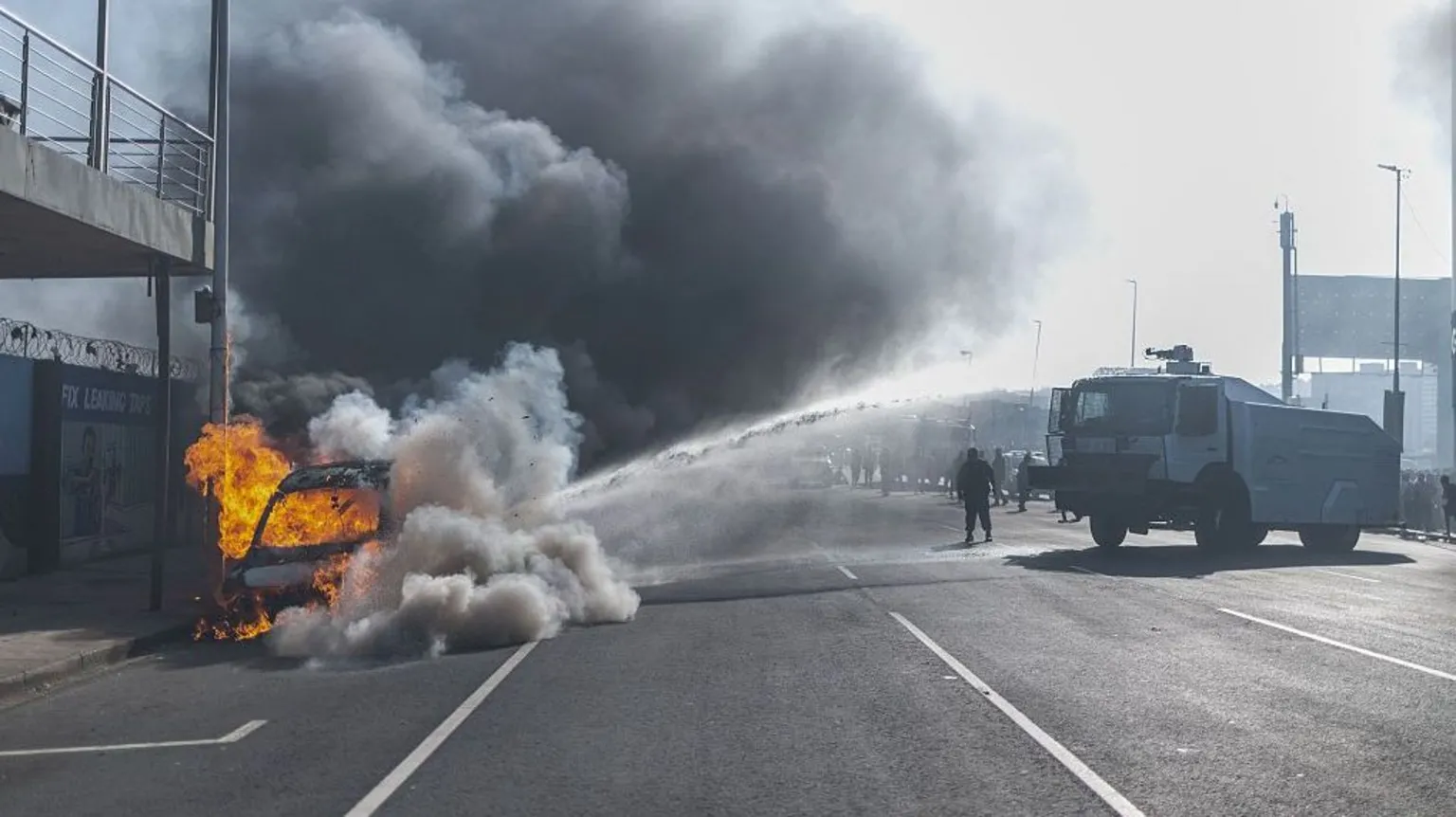
Anti-migrant protests in South Africa turned violent on Thursday, October 8, with at least 24 vehicles set ablaze and shops owned by foreign nationals looted in Johannesburg’s Soweto township and the coastal city of Durban.
The violence erupted amid growing tensions over the country’s asylum application process, with demonstrators demanding the deportation of undocumented foreign nationals. Police said 10 vehicles were torched in Soweto, while 14 were burned in Durban, KwaZulu-Natal province.

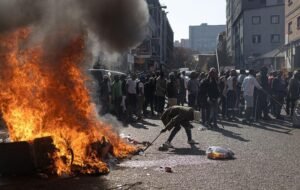
In Soweto, the unrest occurred near a Department of Home Affairs office in Orlando West, where residents had gathered to protest against the processing of asylum applications. The demonstration reportedly began peacefully before escalating into violence, including the burning of vehicles and the looting of foreign-owned businesses.
Johannesburg metro police spokesperson Xolani Fihla said officers received reports of gunfire directed towards protesters, which was followed by retaliatory violence. Authorities did not immediately establish who fired the shots or who was responsible for the subsequent destruction.
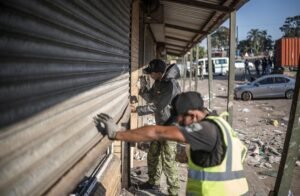
In Durban, shops were looted and fires broke out in parts of the city centre, prompting the deployment of public-order police. Three foreign nationals were arrested on suspicion of assaulting a demonstrator, according to provincial police spokesperson Colonel Robert Netshiunda.
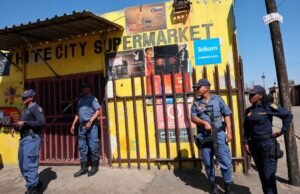
South Africa’s acting national police commissioner, Lieutenant General Puleng Dimpane, condemned the violence, warning that public grievances did not justify criminal acts. Authorities said additional police personnel had been deployed to affected areas as efforts continued to restore order.
The demonstrations followed a Constitutional Court ruling that removed procedural barriers preventing some people from applying for asylum, including those who entered South Africa irregularly or missed certain reporting deadlines.
The ruling does not automatically grant refugee status or permanent residence to applicants. Instead, it requires authorities to assess asylum claims rather than rejecting them solely on the basis of specified procedural obstacles.
However, the implementation of the ruling triggered confusion and overcrowding at refugee reception offices, with government officials acknowledging that the facilities had been overwhelmed by the number of applicants seeking protection.
On Friday, October 9, the Department of Home Affairs withdrew a directive introduced to implement the court ruling, following the violence and concerns over the capacity of refugee reception offices. The government has also pledged to improve processing capacity and strengthen identity checks.
The unrest comes amid a wider rise in anti-migrant demonstrations in South Africa, where foreign nationals, including migrants from other African countries, have faced accusations of taking jobs, contributing to crime and placing pressure on public services. Such claims have often fuelled hostility, although allegations that migrants are responsible for the country’s economic difficulties are widely disputed.
The violence has renewed concerns about the safety of foreign residents and the protection of businesses owned by migrants. It also presents a challenge for South African authorities, who must address public concerns about immigration while enforcing court decisions and protecting the rights and safety of people living in the country.
Authorities reported that the situation had stabilised in the affected areas following police deployments, although tensions remained high as the government sought to respond to the unrest.