
Africa
Gambia’s Electoral Commission Assures Readiness As Presidential Candidates Sign Peace Pact Ahead Of December Poll

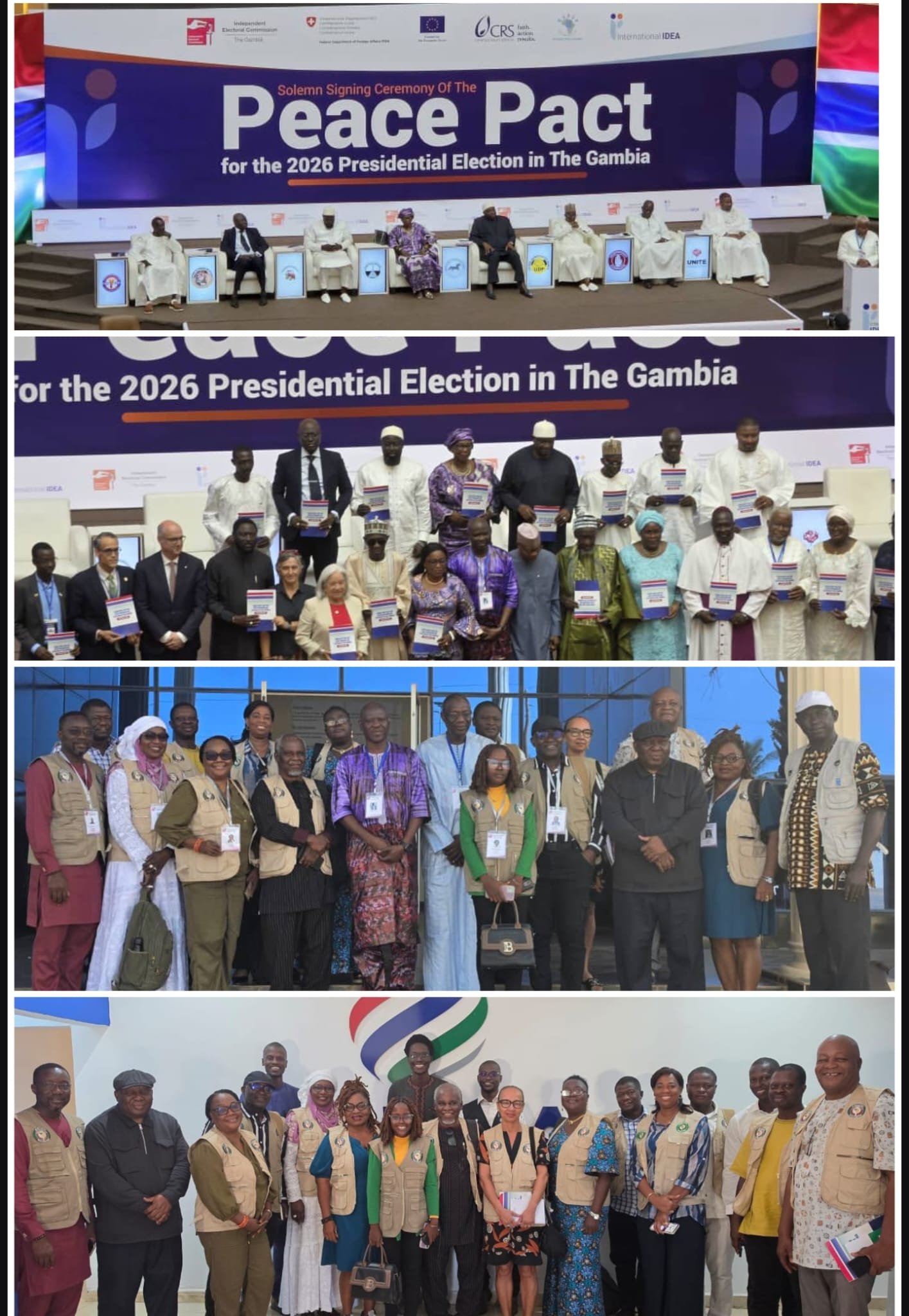
The Gambia’s Independent Electoral Commission (IEC) has reaffirmed its readiness to conduct a credible, transparent and peaceful presidential election scheduled for December 5, 2026, as political candidates pledge to avoid violence and respect the outcome of the vote.
The assurance was given by IEC Chairman, Joseph Colley, during a meeting with members of the Economic Community of West African States (ECOWAS) Long-Term Election Observation Mission in Banjul on Monday, November 16.
Colley disclosed that electoral materials were already being distributed across the country’s regions, while preparations were underway to train polling agents ahead of the election.
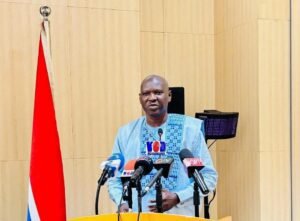
He said the Commission was preparing for operations across 1,773 polling stations in 730 polling centres, adding that security arrangements were being coordinated with relevant security agencies to protect voters, electoral officials and election materials.
According to the IEC chairman, the country has registered 1,146,474 voters for the forthcoming presidential election.
Meanwhile, eight of the nine approved presidential candidates signed a Peace Pact on Monday, committing themselves to peaceful campaigns and respect for the democratic process.
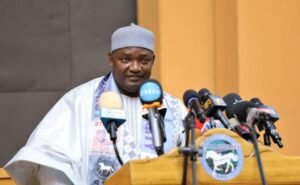
The agreement was signed at the Sir Dawda Kairaba Jawara International Conference Centre in Bijilo, with incumbent President Adama Barrow and opposition figures among the signatories.
Under the pact, the candidates pledged to conduct issue-based campaigns, reject hate speech, intimidation and political violence, respect the election results announced by the IEC and resolve any disputes through lawful and peaceful means.
The signing ceremony was organised by the Independent Electoral Commission with support from International IDEA and attended by representatives of international organisations, including the United Nations, African Union and ECOWAS.
President Barrow, who is seeking a third term, urged political leaders to ensure that their supporters also uphold the commitments made under the agreement.
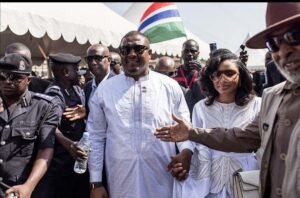
Opposition leader and United Democratic Party candidate, Ousainu Darboe, also welcomed the initiative, stressing the importance of political maturity and peaceful competition.
The United Nations Office for West Africa and the Sahel (UNOWAS) has also expressed support for the electoral process. Its Deputy Special Representative, Barrie Freeman, urged candidates to translate their promises into concrete actions, warning that political leaders must set a responsible example for their supporters.
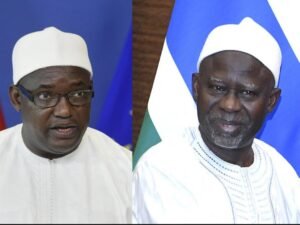
The IEC had earlier approved nine candidates for the December 5 election following the conclusion of its nomination process. They include Barrow, Darboe, Talib Ahmed Bensouda, Modou Lamin Sima, Ansu Sanneh, Ebrima Tabora Manneh, Isatou Touray, Lamin J. Darbo and Almameh Gibba.
Official campaigning commenced on November 16 and is expected to end on December 3, ahead of the presidential vote.
With the election approaching, attention is now focused on the ability of the electoral commission, political parties and security agencies to ensure that the commitments made by candidates translate into a peaceful, credible and transparent electoral process.