
Africa
South Africa Summons Nigeria’s Fani-Kayode Over Diplomatic Conduct, Social Media Remarks

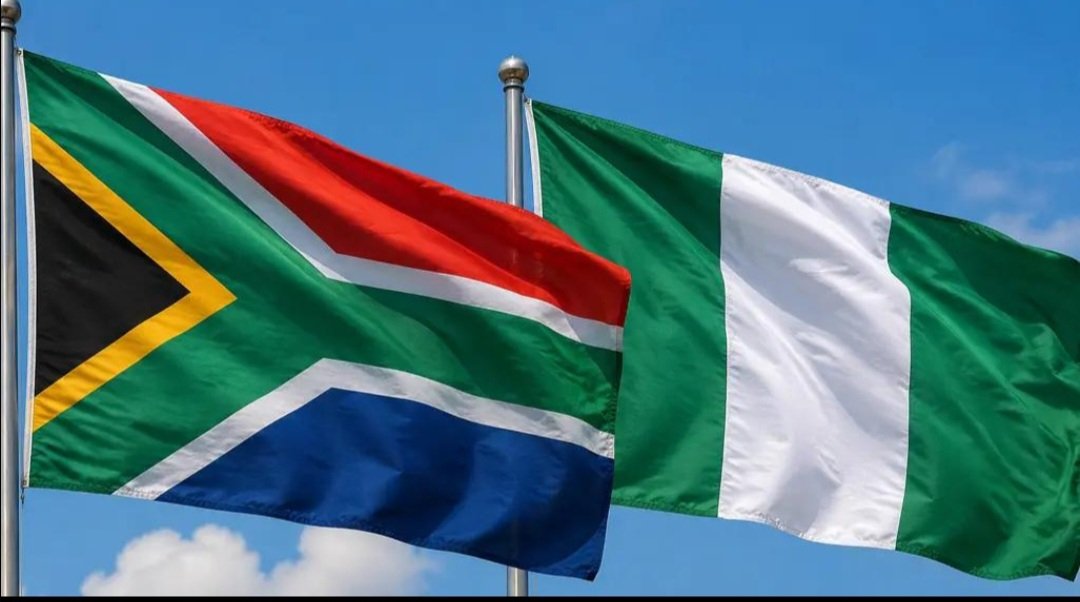
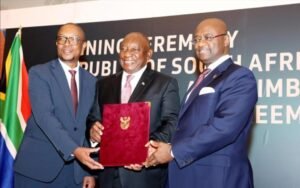
South Africa has formally raised concerns with Nigeria’s newly appointed High Commissioner, Femi Fani-Kayode, over events surrounding the presentation of his Letters of Credence to President Cyril Ramaphosa and subsequent comments he made on social media.
The Department of International Relations and Cooperation (DIRCO) disclosed this in an official statement issued on Tuesday, November 17, 2026, following a meeting between its Director-General, Zane Dangor, and the Nigerian High Commissioner in Pretoria.

During the meeting, Dangor conveyed the South African government’s concerns over developments that followed Fani-Kayode’s presentation of his diplomatic credentials to Ramaphosa, as well as remarks subsequently published on social media.
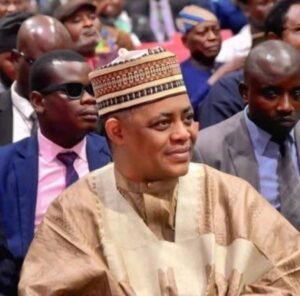
The South African official also stressed the importance of preserving the longstanding bilateral relationship between Nigeria and South Africa, describing it as one founded on mutual respect, friendship and cooperation.
Dangor further drew attention to Article 41 of the 1961 Vienna Convention on Diplomatic Relations, which requires diplomatic agents to conduct official business with the receiving country through its Ministry of Foreign Affairs.
He emphasised that official communications between the Nigerian High Commission and the South African government should follow established diplomatic channels, including DIRCO.
Although the statement did not disclose the specific social media remarks that triggered the diplomatic intervention, it underscored South Africa’s expectation that diplomatic protocols must be respected.
Despite the concerns, DIRCO reaffirmed South Africa’s commitment to strengthening its strategic partnership with Nigeria and maintaining constructive diplomatic relations in the spirit of African solidarity and mutual respect.
The development comes against the backdrop of the longstanding diplomatic and economic relationship between the two African countries, which have maintained cooperation on regional, continental and international issues.