
Africa
ECOWAS Names Former Cabo Verde Prime Minister to Head Gambia Election Mission

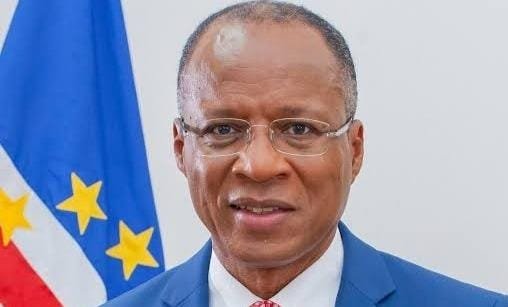
Former Cabo Verde Prime Minister Ulisses Correia e Silva is expected to lead the Economic Community of West African States (ECOWAS) Election Observation Mission for The Gambia’s 2026 presidential election, as the regional bloc steps up efforts to support a peaceful and credible electoral process.
The reported appointment comes ahead of the December 5 presidential election, which is expected to be a significant test of the country’s democratic institutions and political stability.
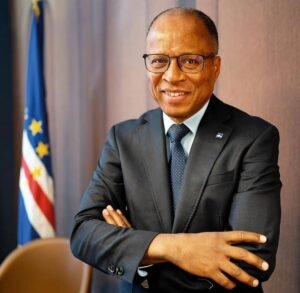
Correia e Silva served as Cabo Verde’s prime minister from 2016 until 2026. His reported selection to head the ECOWAS mission places a former West African head of government at the centre of regional efforts to monitor the electoral process.
The observation mission is expected to assess the conduct of the election, engage with relevant stakeholders and monitor developments before, during and after voting. Election observers generally assess compliance with electoral laws and democratic standards, including the freedom of voters to make their choices and the transparency of polling procedures.
ECOWAS has already undertaken preparatory engagements in The Gambia. In June, the regional organisation, working with the African Union and the United Nations Office for West Africa and the Sahel, deployed a pre-election fact-finding mission to assess the country’s readiness for the December poll.
That mission, led by former Ghanaian Electoral Commission chairman Dr Kwadwo Afari-Gyan, examined the legal and institutional framework governing the election, political relations among stakeholders and potential risks to the electoral environment.
The Independent Electoral Commission of The Gambia has scheduled the presidential election for December 5, 2026. Its electoral calendar also provides for a campaign period running from November 10 to December 3, followed by a cooling-off day on December 4.
Preparations have included voter-register reviews, candidate nominations and the accreditation of local and international observers. The electoral commission said 27 aspiring candidates had collected nomination forms as of its November 3 update, although collecting a form does not automatically mean that an aspirant has been cleared to contest.
The election has also attracted international attention beyond ECOWAS. The European Union launched its own observation mission on November 5, appointing Member of the European Parliament Reinhold Lopatka as chief observer. The EU team includes long-term observers deployed across the country to engage electoral officials, political parties, civil society groups and the media.
Meanwhile, ECOWAS has urged political parties, civil society organisations, religious leaders and the media to work together to protect peace ahead of the vote. During a stakeholder engagement in Banjul on November 10, the regional body identified political polarisation, inflammatory rhetoric and misinformation as challenges requiring collective attention.
The December election will be closely watched as The Gambia continues efforts to strengthen democratic governance following the end of Yahya Jammeh’s 22-year rule in 2017.
ECOWAS and other international partners have repeatedly emphasised the importance of an inclusive, transparent and peaceful electoral process, while the responsibility for conducting and declaring the results remains with the country’s electoral authorities.