
Africa
Ethiopia, Eritrea Cut Diplomatic Ties as Northern Conflict Escalates

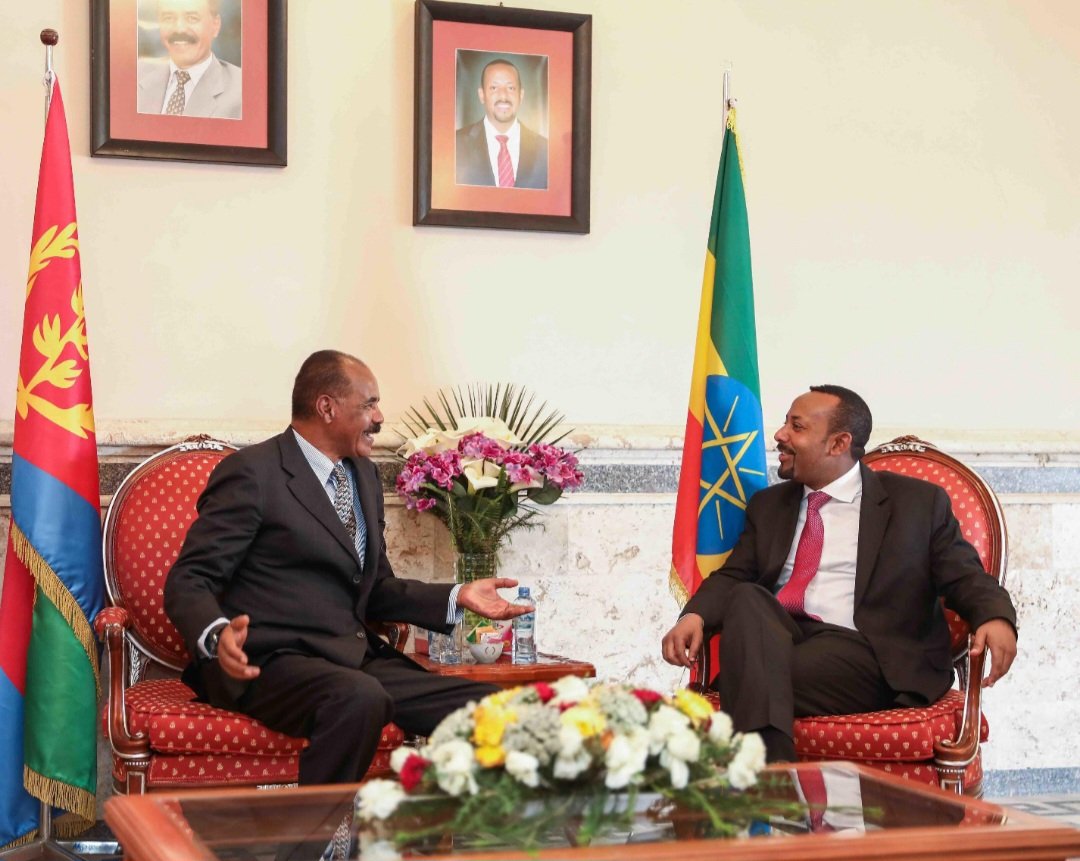
Ethiopia and Eritrea have severed diplomatic relations as renewed fighting in northern Ethiopia intensifies, raising concerns that the conflict could develop into a wider regional crisis in the Horn of Africa.
The diplomatic rupture followed Ethiopia’s announcement on Thursday that it would close its embassy in Asmara and expel 10 Eritrean diplomats, accusing them of activities that posed a threat to Ethiopia’s national security.

Eritrea responded by announcing that it would sever all diplomatic ties with Ethiopia, saying Addis Ababa’s decision had left it with no option but to reciprocate.
Ethiopia’s Foreign Ministry said the 10 Eritrean diplomats, including the charge d’affaires and officials accredited to the African Union, had been declared persona non grata and given 48 hours to leave the country.
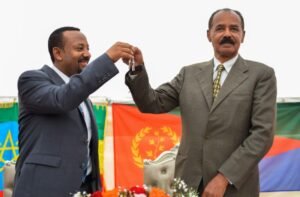
Addis Ababa accused Eritrea of engaging in direct and indirect acts of hostility and belligerence. Eritrea rejected the accusations, instead accusing Ethiopia of pursuing what it described as a sustained hostile agenda against its neighbour.
The diplomatic crisis comes as fighting has intensified in Ethiopia’s northern Tigray region between federal government forces and an armed opposition alliance led by the Tigray People’s Liberation Front (TPLF).
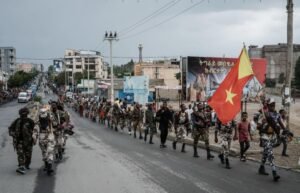
Reuters reported on Friday that Ethiopian federal forces and allied militias were advancing towards Mekelle, the Tigray regional capital. Residents told the news agency that banks and shops in the city had closed as government forces reportedly moved closer to the city.
The latest fighting represents the most serious escalation in northern Ethiopia since the 2020–2022 Tigray war. The previous conflict killed hundreds of thousands of people and drew Eritrea into military cooperation with Ethiopia’s federal government.
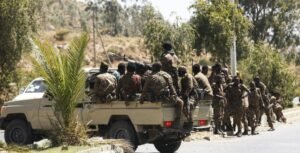
Relations between Addis Ababa and Asmara have deteriorated considerably since that period. Ethiopia now accuses Eritrea of supporting the Tigrayan-led opposition alliance, while Eritrea denies involvement in hostile activities against Ethiopia.
One major source of tension is Ethiopia’s demand for secure access to the Red Sea. Ethiopia, which became landlocked after Eritrea gained independence in 1993, has repeatedly described sea access as important to its economic and security interests.

Eritrea has expressed concern about Ethiopia’s intentions, particularly regarding the port of Assab. Ethiopian Prime Minister Abiy Ahmed has said Ethiopia intends to obtain sea access through peaceful means, while Asmara has accused Addis Ababa of harbouring territorial ambitions.
The diplomatic breakdown has also occurred alongside a separate dispute involving Egypt. Ethiopia expelled an Egyptian diplomat on Thursday, while Egypt responded by ordering an Ethiopian embassy counsellor to leave.
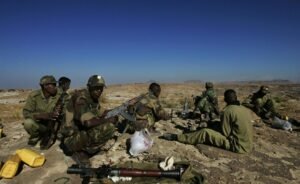
Ethiopia has accused Egypt and Sudan, alongside Eritrea, of supporting the opposition alliance. The countries have denied the allegations.
The African Union has called on Ethiopia, Eritrea and Egypt to exercise maximum restraint and avoid actions or statements that could further escalate tensions. The continental body urged the countries to resolve their differences through established diplomatic channels and peaceful dialogue.
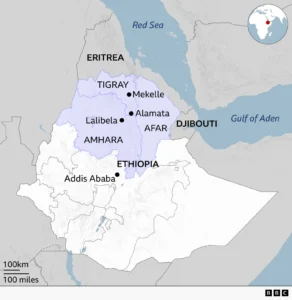
Meanwhile, reports of explosions in Addis Ababa have added to concerns about the widening conflict. Reuters reported that suspected drone attacks were heard in the Ethiopian capital, although the agency said it could not independently verify who was responsible.
With fighting continuing around Tigray and diplomatic relations between Ethiopia and Eritrea now broken, regional officials and analysts are increasingly concerned about the potential consequences for the wider Horn of Africa.