
Africa
Mo Ibrahim Warns African Leaders Against Trading Human Rights for Development

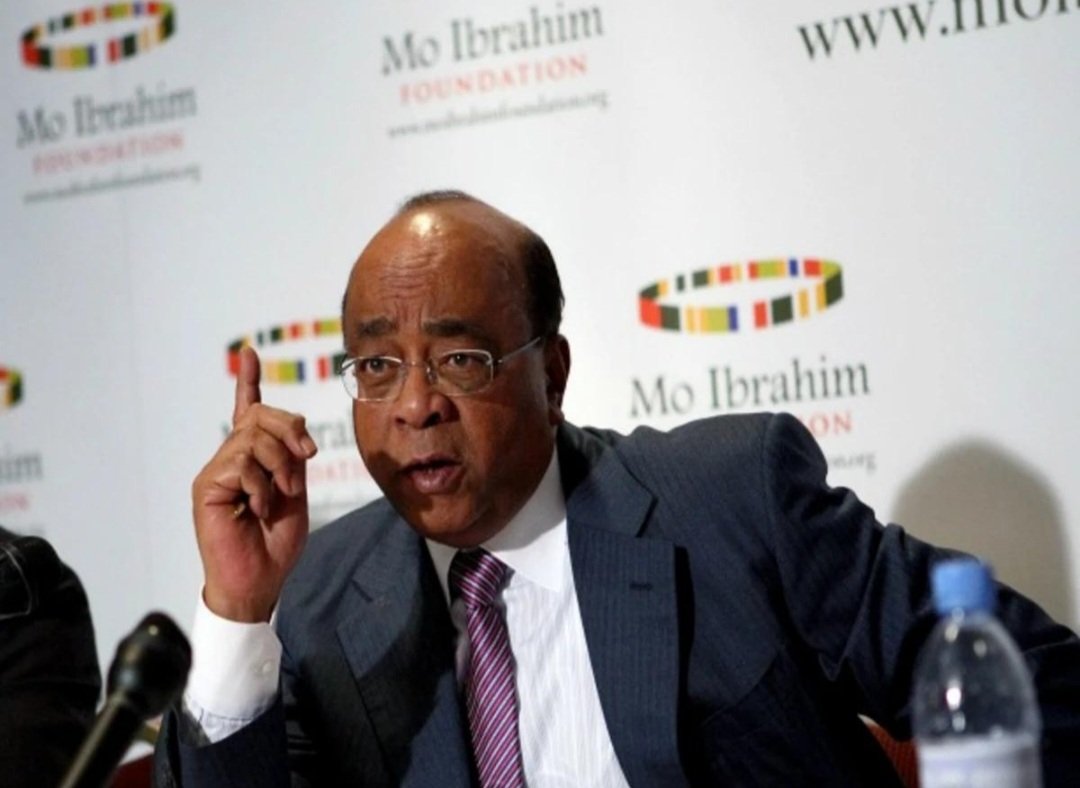
African billionaire philanthropist and governance advocate Mo Ibrahim has warned that the continent must not sacrifice human rights, security and the rule of law in pursuit of economic development and infrastructure growth.
Ibrahim, founder and chair of the Mo Ibrahim Foundation, said improvements in infrastructure, economic opportunities, education and healthcare across Africa could not justify the deterioration of democratic freedoms, public safety and civil liberties.
Speaking in an interview with BBC World Service published on Wednesday, November 11, Ibrahim expressed concern over what he described as a growing decline in security, the rule of law and respect for human rights across several African countries.
He noted that while some governments had recorded progress in economic and social development, the space for civil society was increasingly shrinking, raising questions about the sustainability of such achievements.
“There cannot be trade-off between economic development or infrastructure and people’s rights or even people’s safety,” Ibrahim said.
His comments come against the backdrop of findings from the 2026 Ibrahim Index of African Governance, which assessed governance performance across all 54 African countries between 2016 and 2025.
The report identified improvements in economic opportunity and human development, including infrastructure, healthcare and education. However, it also recorded deterioration in security, the rule of law, political participation, rights and inclusion.
According to the findings, security and the rule of law declined in 34 countries, while participation, rights and inclusion deteriorated in 31 countries over the decade.
Ibrahim also questioned the effectiveness of military leaders who seized power in several African countries on promises of restoring security and stability.
He argued that governments should be judged not only by the economic achievements they claim to have delivered but also by their ability to protect citizens, uphold the law and guarantee fundamental freedoms.
The philanthropist further expressed concern about the growing influence of authoritarian leadership styles globally, warning that African political leaders could be encouraged to adopt similar approaches.
His observations echo concerns raised in the foundation’s latest governance assessment, which found that economic progress remains fragile where democratic institutions, security and accountability are weakening.
The 2026 index recorded an overall improvement of just 0.8 points in Africa’s average governance score over the decade, highlighting the limited progress made despite improvements in some development indicators.
Ibrahim has consistently called for stronger institutions, accountable leadership and greater public participation in governance, arguing that sustainable development requires governments to respect the rights and dignity of their citizens.
He established the Mo Ibrahim Foundation in 2006 to promote good governance and exceptional leadership across Africa. The foundation also publishes the Ibrahim Index of African Governance, providing data on the performance of governments across the continent.
His latest warning adds to growing debates about the relationship between economic development, democratic accountability and human rights in Africa, particularly as several countries continue to grapple with military takeovers, insecurity and restrictions on political freedoms.