
Religion
Orthodox Monks Revive Monastic Life in Estonia After 80-Year Absence

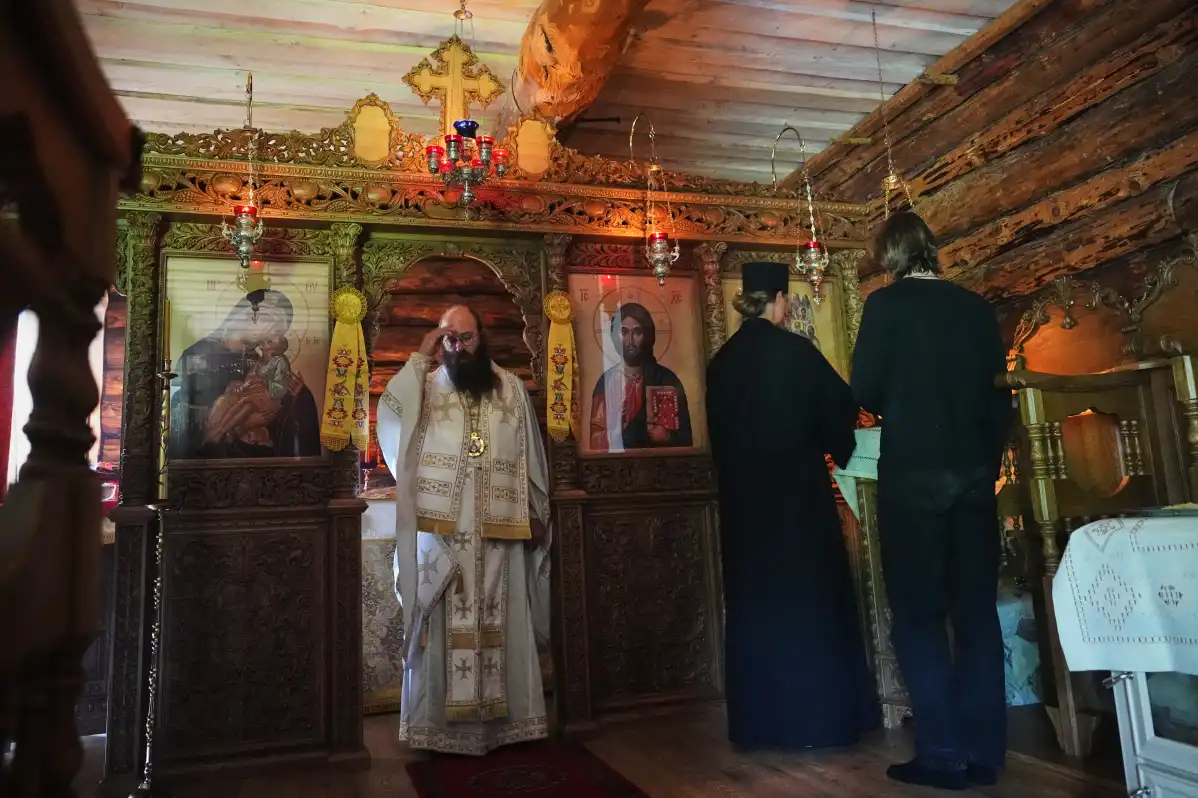
The sound of ancient Orthodox prayers is once again echoing across the Estonian countryside following the establishment of the Kirikla Orthodox Monastery, marking the return of Orthodox monastic life to the Baltic nation for the first time in more than 80 years.
Located in the village of Pihali, about 40 kilometres (25 miles) southwest of the capital, Tallinn, the monastery is the first founded by the Estonian Apostolic Orthodox Church in decades. Its creation is being hailed as a significant spiritual milestone in one of Europe’s most secular countries, where religious life was heavily suppressed during the Soviet era.
The new monastery is currently home to Bishop Damaskinos, the 41-year-old abbot, and Rev. Paisios, who have become the first Orthodox monks to live, work and pray in Estonia since the country’s brief period of independence between the two World Wars.
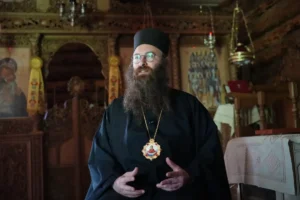
Although the Estonian Apostolic Orthodox Church oversees more than 60 churches and a convent, it had not maintained a male monastic community within Estonia for over eight decades. The return of monks is therefore viewed as the restoration of an important chapter in the nation’s religious heritage. l
Life at Kirikla Monastery follows the centuries-old Orthodox tradition of balancing worship with manual labour.
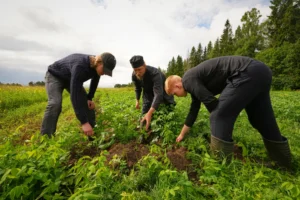
Each day begins before sunrise with private prayers and communal worship, followed by farming, gardening and construction work around the modest farmhouse that currently serves as the monastery. The monks spend much of their day cultivating vegetables, maintaining the property and producing items that could eventually help sustain the monastery financially.
According to Bishop Damaskinos, the monastery’s mission extends beyond Estonia.
“The monastery’s meaning is also global in the sense that we pray for the whole world,” he said.
Perhaps surprisingly in a country where many people identify as non-religious, the monastery has attracted growing numbers of young visitors.
Rev. Paisios said many visitors appreciate the opportunity to disconnect from smartphones and social media while experiencing a slower, more reflective way of life. Volunteers have also joined the monks during the summer to help with farming and daily tasks.
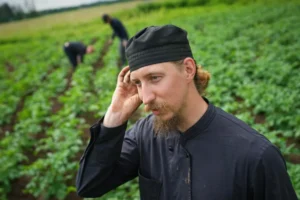
Religious scholars say younger Estonians, having grown up after the collapse of the Soviet Union, often approach religion without the anti-religious attitudes that were once widespread under communist rule.
Despite having only two monks, the founders are focused on establishing a strong spiritual community rather than expanding rapidly.
The monastery was made possible after a local businessman donated the farmhouse, and future plans include constructing additional buildings and supporting the community through the sale of agricultural produce, candles and incense.
Bishop Damaskinos said his greatest priority is not constructing more buildings but strengthening the brotherhood that will ensure the monastery’s long-term future.
Across Europe, many monasteries have struggled with declining vocations and ageing communities. Against that backdrop, the opening of Kirikla Orthodox Monastery represents a rare and hopeful development.
Church leaders believe the revival demonstrates that traditional religious life can still resonate in modern society, offering peace, discipline and community in an increasingly fast-paced world.
For Estonia, the return of Orthodox monks after eight decades is more than the reopening of a monastery, it is the revival of a spiritual tradition once thought lost to history.