
Business
Consumers Pay More While Oil Giants Report Huge Profits Amid U.S.-Iran Fighting

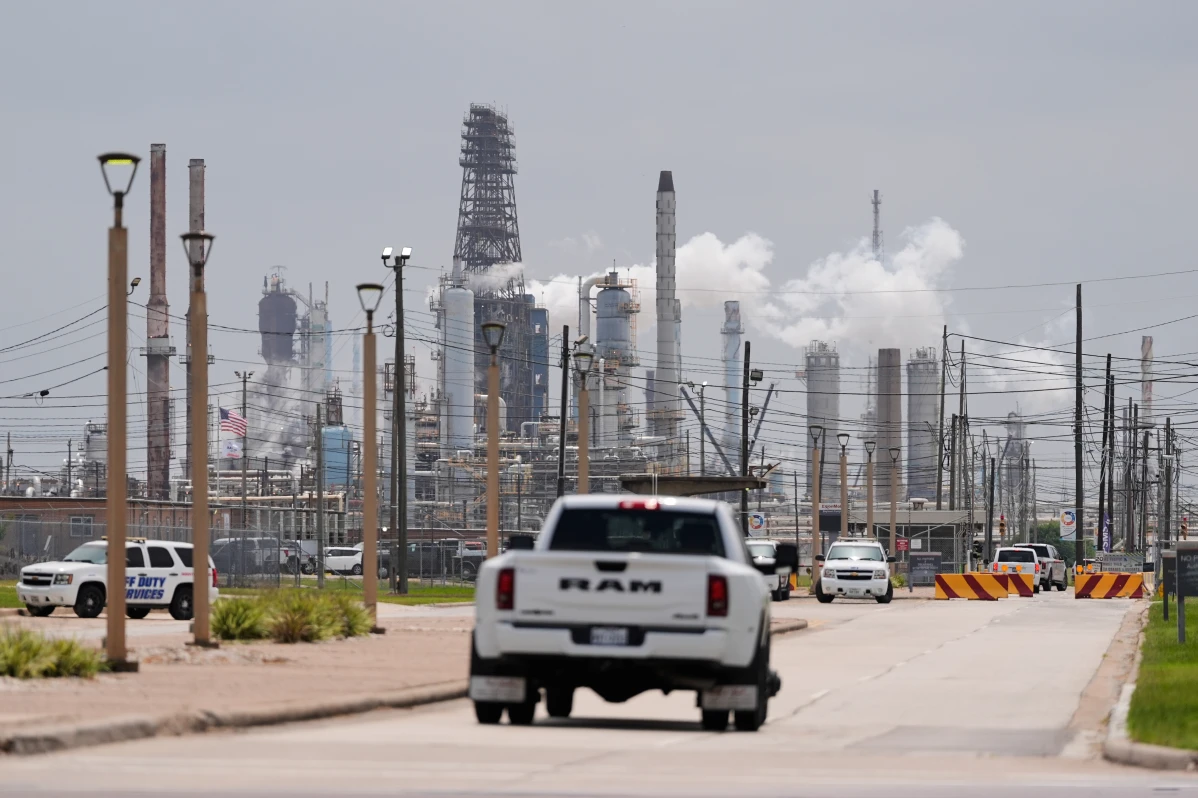
The world’s largest oil companies have reported a dramatic surge in profits as the ongoing conflict between the United States and Iran continues to disrupt global energy markets, sending crude oil prices above $100 per barrel and driving up fuel costs for consumers around the world. The latest earnings have reignited debate over so-called “war profits,” with politicians and consumer advocates questioning whether energy firms are benefiting disproportionately from a geopolitical crisis.

Among the biggest beneficiaries are Exxon Mobil and Chevron, both of which announced exceptionally strong second-quarter earnings. Exxon reported net income of about $14.5 billion, while Chevron posted approximately $12.1 billion, its strongest quarterly performance in at least six years. The companies attributed the results to higher crude prices, strong refining margins and increased production, particularly in the United States.
Energy markets have remained volatile since fighting between the U.S. and Iran intensified and shipping through the Strait of Hormuz; one of the world’s most important oil transit routes, was severely disrupted. Nearly one-fifth of globally traded crude oil normally passes through the strategic waterway, meaning any interruption quickly reverberates through international markets.
The conflict has constrained petroleum exports from the Gulf, tightened fuel supplies and pushed benchmark Brent crude prices well above the $100-per-barrel mark. Refining margins have also climbed sharply as shortages of diesel, jet fuel and gasoline increased worldwide.
While oil producers have enjoyed soaring revenues, households and businesses have faced sharply higher energy costs.

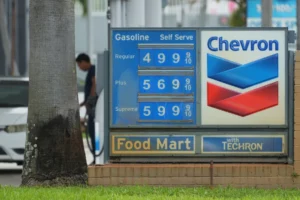
In the United States, the national average gasoline price has climbed above $4 per gallon, while many countries have experienced higher transport costs, increased electricity prices and renewed inflationary pressure. Some nations have introduced fuel rationing or emergency measures to manage limited supplies as governments struggle to cushion consumers from rising costs.
Economists warn that sustained high energy prices could slow global economic growth, raise food prices and prolong inflation by increasing transportation and manufacturing costs across multiple sectors.
The record profits have sparked criticism from lawmakers and advocacy groups, who argue that consumers are bearing the burden of geopolitical instability while energy companies report windfall earnings.
Some U.S. legislators have renewed calls for a windfall profits tax on major oil producers, proposing that additional revenue be used to offset high fuel costs for consumers or fund public programmes. Critics contend that extraordinary profits generated during wartime should be shared more broadly, while industry representatives maintain that the earnings reflect market conditions and years of investment in production capacity.
Oil executives insist that the strong financial results are not solely the product of higher prices.
Chevron said record U.S. production, improved operational efficiency and the integration of newly acquired assets contributed significantly to its earnings. Exxon likewise pointed to increased output from the Permian Basin, strong refining performance and disciplined capital spending as key drivers of its results. Both companies also announced billions of dollars in shareholder returns through dividends and stock buybacks.
Analysts say the outlook for oil markets will depend largely on how long the U.S.-Iran conflict persists and whether shipping disruptions in the Gulf ease.
If tensions continue, energy prices could remain elevated, sustaining strong earnings for oil producers but prolonging financial pressure on consumers and businesses. Conversely, any diplomatic breakthrough or restoration of normal shipping through the Strait of Hormuz could lead to a sharp decline in crude prices and reduce the extraordinary profits currently being enjoyed by the industry.