
Business
U.S. Bars Imports From 43 More Chinese Companies Over Alleged Uyghur Forced Labor

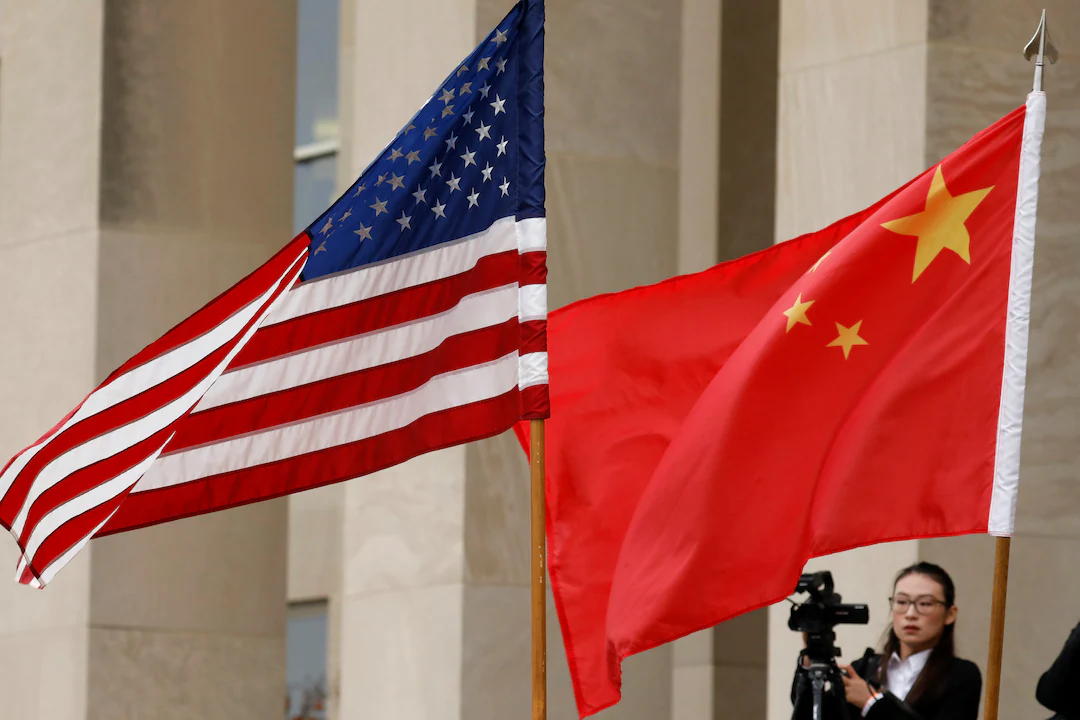
The United States has significantly expanded its restrictions on imports from China by adding 43 Chinese companies to its Uyghur Forced Labor Prevention Act (UFLPA) Entity List, accusing them of involvement in supply chains linked to the alleged forced labor of Uyghurs and other predominantly Muslim minority groups in China’s Xinjiang region. The move marks the largest single expansion of the blacklist since the law took effect in 2022 and the first major update under the current Trump administration.
The action was announced by the U.S. Department of Homeland Security (DHS) and published in the Federal Register. Under the UFLPA, goods produced wholly or partly by companies on the Entity List are presumed to have been made with forced labor and are therefore prohibited from entering the United States unless importers can provide clear evidence to the contrary. The latest additions raise the total number of companies on the blacklist from 144 to 187.
The newly listed firms operate across a broad range of industries, reflecting Washington’s widening scrutiny of supply chains linked to Xinjiang.
Among the companies added are Hunan Aihua Group, one of China’s largest capacitor manufacturers, and Chacha Food Co., a major producer of seeds and snack foods with an international export business. Other affected sectors include pharmaceuticals, metals, lithium, cotton, food processing and industrial manufacturing.
U.S. officials said the latest designations are intended to prevent products allegedly connected to forced labor from reaching American consumers and to send a broader message that companies linked to human rights abuses risk losing access to the U.S. market.
The decision represents another escalation in the broader trade and human rights dispute between Washington and Beijing.
Successive U.S. administrations have accused China of detaining large numbers of Uyghurs and other Muslim minorities in Xinjiang, where they allege many people have been subjected to forced labor, surveillance and other human rights abuses. The U.S. government has described China’s treatment of the Uyghurs as genocide and crimes against humanity. Beijing has consistently rejected those allegations, insisting that its policies in Xinjiang are aimed at combating terrorism, extremism and poverty.
China has strongly condemned the latest U.S. action, calling the forced labor accusations “groundless” and accusing Washington of using human rights as a pretext to suppress Chinese businesses and interfere in China’s internal affairs.

Chinese officials argue that workers in Xinjiang participate in employment programmes voluntarily and say the UFLPA unfairly discriminates against Chinese exports. Beijing has repeatedly called on Washington to remove the restrictions and warned that it reserves the right to respond to what it describes as politically motivated trade measures.
The expanded blacklist is expected to create additional compliance challenges for multinational companies that source products or raw materials from China.
Importers into the United States will face greater scrutiny of supply chains, particularly in industries involving electronics, batteries, food products, textiles and industrial components. Trade experts say businesses may need to strengthen due diligence procedures or diversify suppliers to avoid disruptions at U.S. ports.
The latest move also adds to already strained U.S.-China economic relations, which have been marked by tariffs, export controls, technology restrictions and competing national security policies. Analysts say the expanded import ban could further complicate trade between the world’s two largest economies and prompt additional retaliatory measures from Beijing.
The Uyghur Forced Labor Prevention Act, signed into law in 2021, is one of the United States’ strongest tools for blocking imports linked to alleged forced labor in Xinjiang. The legislation establishes a presumption that goods connected to the region are produced with forced labor unless importers can prove otherwise.
Human rights organizations welcomed the latest expansion, arguing that stronger enforcement is necessary to prevent products allegedly linked to labor abuses from entering global supply chains. China, however, continues to reject the allegations and maintains that the measures are based on misinformation and political motives.