
Government
FG, States, LGs Share N3.007tn From July Federation Revenue

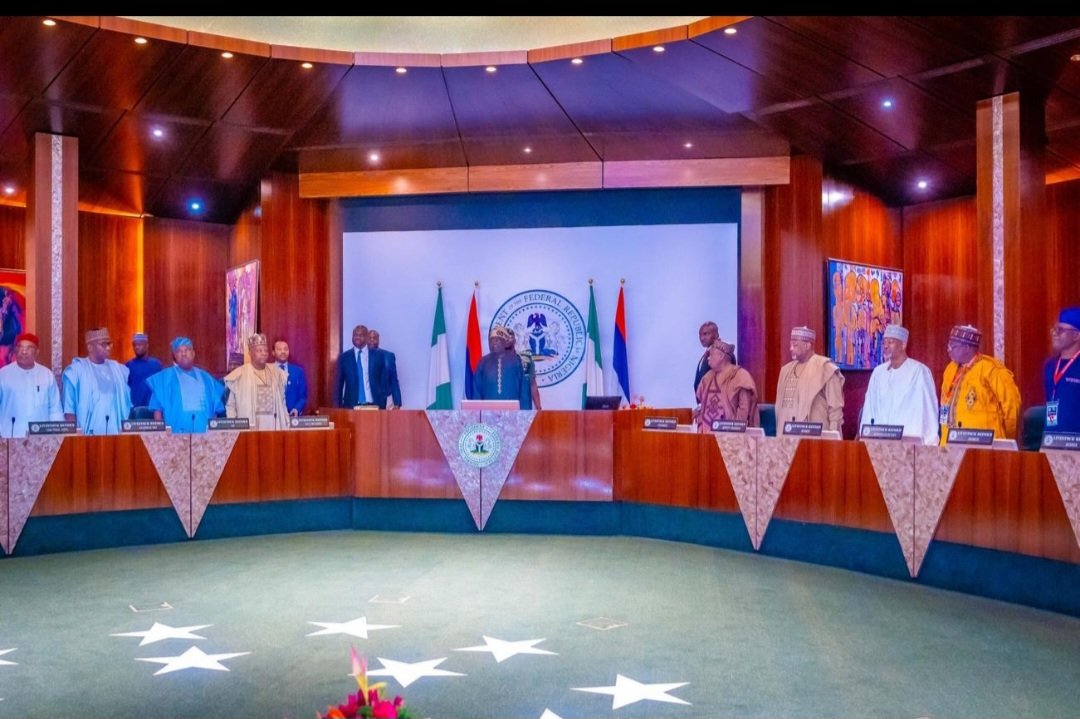
The Federal Government, the 36 states and the 774 local government councils have shared N3.007 trillion in revenue generated for July 2026, following an increase of N658.087 billion in gross statutory collections.
The Federation Account Allocation Committee (FAAC) approved the disbursement at its August meeting held in Owerri, Imo State.
According to a statement issued by Bawa Mokwa, Director of Press and Public Relations at the Office of the Accountant-General of the Federation, gross statutory revenue rose to N4.359 trillion in July from N3.700 trillion recorded in June.
The increase represents a 17.8 per cent month-on-month rise and was attributed largely to improved collections from both petroleum and non-oil revenue sources.
Several revenue streams recorded increases during the month, including Petroleum Profit Tax, Hydrocarbon Tax, Companies Income Tax, Capital Gains Tax, Stamp Duty Tax, petroleum royalties, mineral royalties, excise duty and gas-flaring penalties.
However, the gains were partly offset by declines in Value Added Tax, import duty, CET levies, gas-flaring fee rentals and miscellaneous oil revenue.
Gross VAT collections stood at N793.968 billion in July, down marginally from N799.746 billion in June; a decline of N5.778 billion, or 0.7 per cent.
FAAC said the latest figures point to a strengthening revenue base but stressed that sustaining the gains would require improved collection and remittance discipline by government revenue-generating agencies.
The committee also reaffirmed its focus on diversifying federation revenue beyond crude oil, with solid minerals and other non-oil revenue streams identified as areas with potential for increased contribution.
The meeting further examined the fiscal position of states and the Federal Government, with officials urged to ensure that increased allocations are converted into long-term economic benefits rather than being used solely for recurrent expenditure.
States were encouraged to strengthen their internally generated revenue, make productive use of idle public assets, improve economic activity, attract private investment and invest in human capital.
The FAAC meeting also highlighted changes introduced under the Nigeria Tax Act 2025, which took effect in January 2026. Under the new framework, the states’ share of VAT revenue increased from 50 per cent to 55 per cent, while the Federal Government’s share dropped from 15 per cent to 10 per cent.
Thirty per cent of the states’ VAT pool is also now distributed according to the place of consumption rather than the location of a company’s registered headquarters, creating a stronger link between economic activity and revenue allocation.

FAAC said the current increase in federation revenue presents an opportunity for governments at all levels to strengthen their fiscal positions and institutionalise reforms that can make revenue flows more sustainable.
The committee therefore called for comprehensive asset registers, payroll verification and timely publication of audited accounts, while urging revenue-generating agencies to ensure full and prompt remittance of collectible funds into the Federation Account.
The July revenue increase comes amid ongoing fiscal reforms, including petrol subsidy removal, exchange-rate reforms and efforts to broaden Nigeria’s tax base.
With N3.007 trillion now shared among the three tiers of government, attention will increasingly focus on whether the additional revenue will translate into improved infrastructure, public services, job creation and stronger state-level economies.