
Crime
‘Don’t Believe My Client’: Unusual Defense Strategy Emerges in Tupac Murder Trial

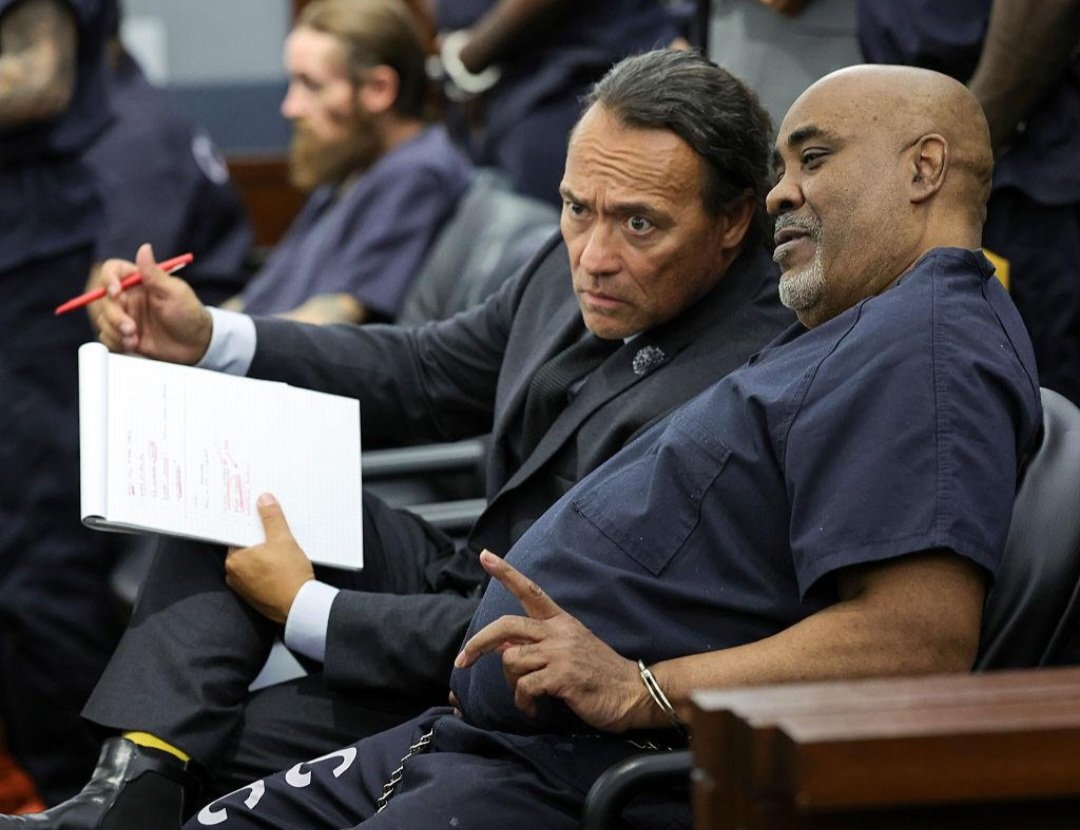
The defence of the man accused of orchestrating the 1996 killing of rapper Tupac Shakur has adopted an unusual strategy in court asking jurors to question and ultimately reject some of the accused man’s own public statements about the murder.
Duane “Keffe D” Davis, 63, is currently on trial in Las Vegas for the killing of Shakur, nearly 30 years after the rapper was fatally shot in a drive-by attack.
Davis has pleaded not guilty.
His lawyer, Michael Sanft, told jurors during his opening statement this week that they should not simply accept Davis’ previous accounts of what happened on the night Shakur was killed.
Davis had previously made a series of public statements about the shooting, including claims in media interviews and his 2019 memoir that he was inside a white Cadillac with the men who carried out the attack and that he handed a firearm to passengers in the back seat.
Those statements became a significant part of the investigation that ultimately led to Davis’ arrest in 2023.
But his defence is now arguing that Davis’ past accounts should not be treated as reliable evidence.
Sanft challenged prosecutors to identify independent facts supporting Davis’ claims and displayed a slide containing the word “BULLSHIT” during his presentation to jurors, according to Reuters.
The defence position is that Davis may have exaggerated his involvement in the killing to enhance his reputation and generate publicity for his memoir.
Legal experts quoted by Reuters described the strategy as risky but potentially Davis’ strongest avenue of defence.
The central difficulty, however, is that Davis’ own statements helped prosecutors build the case against him. By arguing that those statements were fabricated or exaggerated, the defence must also persuade jurors that Davis’ newer account of events is more credible.
“You create this paradox,” defence attorney Neil Rockind said while discussing the strategy, according to Reuters.
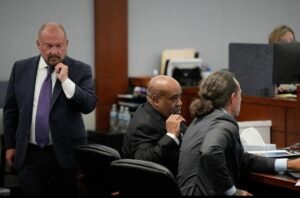
Prosecutors have portrayed Davis as the organiser or “mastermind” of the shooting, arguing that he helped set the attack in motion following a confrontation earlier that night involving his nephew and members of Tupac’s group.
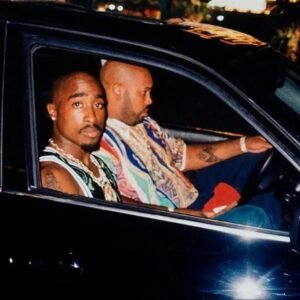
Shakur and music executive Marion “Suge” Knight had been involved in a physical altercation with members of a rival gang at the MGM Grand in Las Vegas on September 7, 1996.
Later that night, Shakur and Knight were travelling in a BMW when a white Cadillac pulled alongside them and gunfire erupted.
Shakur was struck multiple times and died six days later at the age of 25.
The person who actually fired the fatal shots has never been identified publicly. However, Nevada law allows prosecutors to pursue an accomplice theory against someone who participated in a killing even if that person did not personally pull the trigger.
Davis has acknowledged being in the Cadillac but has denied being the shooter.
The prosecution’s case therefore centres heavily on whether jurors believe Davis’ earlier admissions and whether those statements can be supported by other evidence.
The defence may face another difficult decision if Davis considers taking the witness stand.
While testifying could give him an opportunity to explain why his earlier accounts differ from his current position, it would also expose him to potentially intense questioning from prosecutors about his previous statements.
Legal experts say that contradiction could become one of the most important issues in the trial.
The trial, which began this month in Clark County District Court, is expected to last up to six weeks.
For Shakur’s family and millions of fans who have waited nearly three decades for answers, the proceedings represent the most significant legal development in the long-running investigation.
Ultimately, jurors will have to determine whether Davis’ past statements represent genuine admissions of involvement, exaggerated stories told for attention and financial gain, or some combination of both.