
Crime
Sri Lanka Court Convicts 15 Men Over 2019 Easter Sunday Bombings

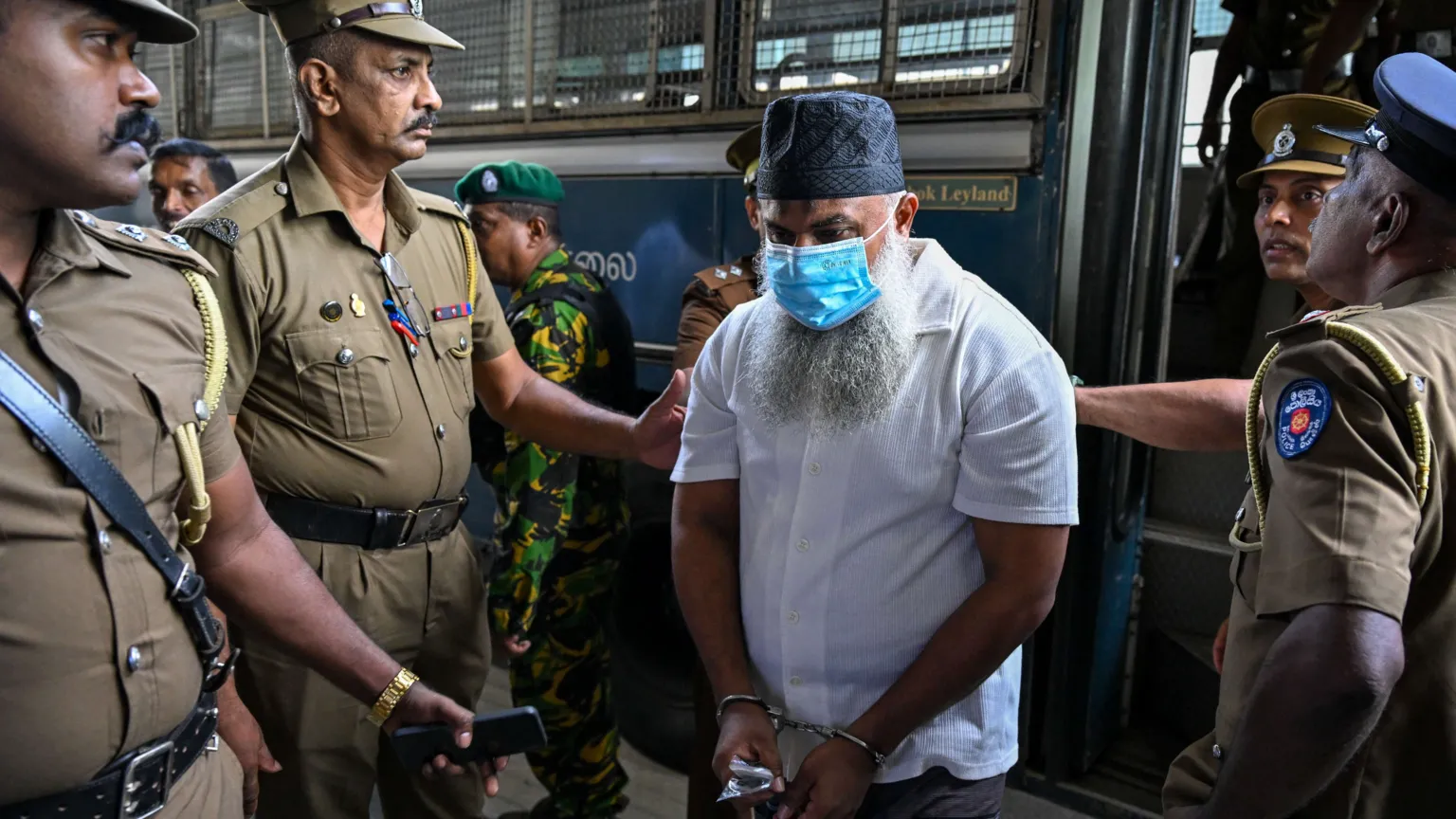
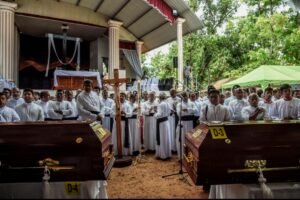
Sri Lanka’s High Court has convicted 15 men over their alleged involvement in the 2019 Easter Sunday bombings that killed more than 260 people and injured about 500 others, bringing a major criminal case over one of the country’s deadliest attacks to a close.
A three-judge High Court panel delivered the verdict in Colombo on Tuesday, September 22, after a trial that lasted nearly five years. Fourteen of the 24 defendants were found guilty on all charges, while a 15th defendant was convicted on some charges. Nine others were acquitted.
The defendants faced more than 23,000 charges, including murder, conspiracy to commit terrorism and offences involving firearms and explosives under Sri Lanka’s Prevention of Terrorism Act. One of the original 25 defendants died in custody during the proceedings, leaving 24 to stand trial.
Among those convicted was Naufer Moulavi, whom prosecutors identified as a key figure in planning and supporting the attacks. The court was told that the defendants were accused of aiding and supporting the suicide bombers responsible for the coordinated attacks.
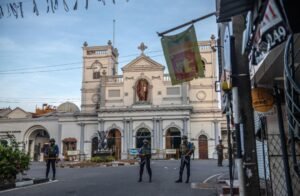
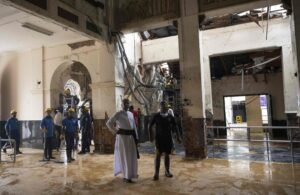
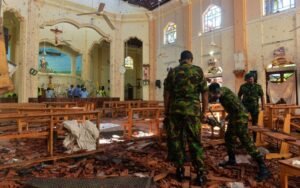
The attacks took place on April 21, 2019, when suicide bombers struck three churches and three luxury hotels in Colombo, Negombo and Batticaloa as Christians gathered for Easter celebrations. The victims included Sri Lankans and dozens of foreign nationals.
The bombings were among the deadliest attacks in Sri Lanka since the end of its civil war in 2009. Investigators linked the attacks to Sri Lanka-based Islamist militant groups inspired by the Islamic State group. All of the suicide bombers who directly carried out the attacks died in the explosions.
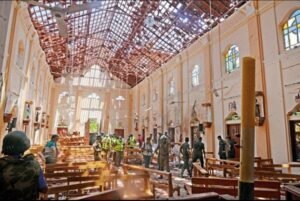
The prosecution case was built over years of investigations and court proceedings. More than 2,300 prosecution witnesses testified during the trial, while authorities presented thousands of pieces of evidence, including explosives, firearms, chemicals and forensic reports.
The verdict also comes amid continuing questions about whether the attacks could have been prevented. A parliamentary investigation found that police and intelligence officials failed to act on repeated warnings about a possible attack. In August, a separate Sri Lankan court sentenced former police chief Pujith Jayasundara and former Defence Ministry secretary Hemasiri Fernando to death after finding them responsible for failing to act on intelligence warnings.
Sri Lanka has maintained a moratorium on executions since 1976, meaning death sentences have historically not been carried out.
The Catholic Church in Sri Lanka has also questioned whether all those responsible for the bombings have been identified, alleging that a wider conspiracy may have existed. Those claims have not been established by the court in the current case.
The court is expected to address sentencing separately, with the verdict marking another major step in the country’s efforts to establish legal accountability for the 2019 attacks.