
Crime
Kenyan Cult Leader Guilty of 191 Murders After Telling Parents to Starve Children

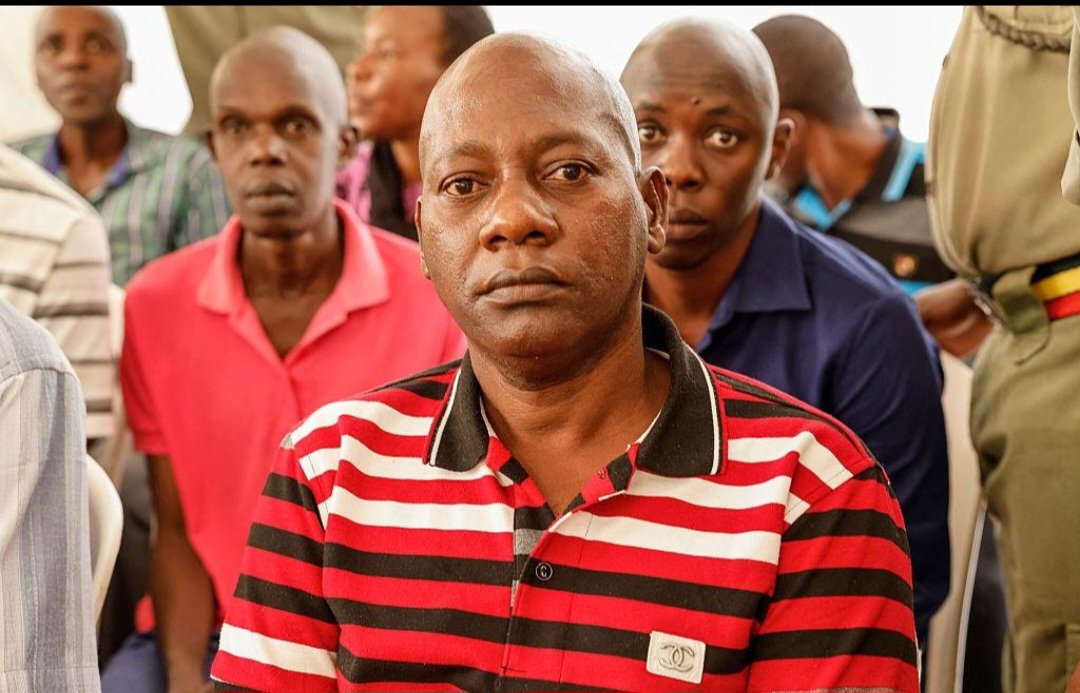
A Kenyan court has found self-proclaimed pastor Paul Nthenge Mackenzie and about 30 other defendants guilty of murder over the deaths of 191 people, including 190 children, in one of the country’s most disturbing cult-related tragedies.
The verdict was delivered on Monday, October 19, 2026, in connection with the deaths linked to the Good News International Church, which Mackenzie led. Prosecutors said he persuaded followers to starve themselves and their children in the belief that they would reach heaven before the end of the world.
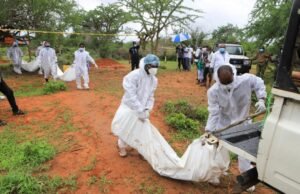
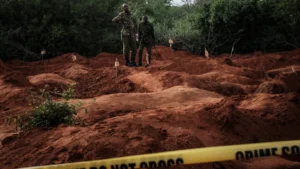
The case emerged in 2023 after police received information about deaths in the Shakahola Forest, in Kenya’s coastal Kilifi County. Subsequent investigations uncovered mass graves and led to the recovery of more than 400 bodies, drawing international attention to the activities of the religious group.
Prosecutors said children were among the first victims of the starvation plan. Followers were allegedly instructed to keep their children away from food and medical treatment, while education and healthcare were portrayed as contrary to the group’s religious beliefs.
Investigators also reported that some people who resisted the instructions or attempted to escape were subjected to violence. Survivors described an isolated community in which followers lived in makeshift shelters and were expected to obey the preacher’s teachings.
Mackenzie, a former taxi driver who established his ministry in 2003, had attracted followers through sermons promoting apocalyptic beliefs. After his church and television operation were shut down in 2019, he moved his activities to the Shakahola Forest area, where some followers joined him.
Authorities began a more extensive investigation after relatives and residents raised the alarm in 2023. Mackenzie was arrested, and the discovery of bodies in shallow graves prompted a major forensic operation. The investigation also exposed wider concerns about how the group had operated despite earlier scrutiny by authorities.
The verdict relates specifically to 191 murder charges and should be distinguished from the wider death toll associated with the Shakahola tragedy. More than 400 bodies were discovered in the forest, while other people were reported missing. Prosecutors have also pursued separate allegations connected to additional deaths.
The case has renewed debate in Kenya about religious oversight, child protection and the responsibility of authorities to intervene when religious leaders are accused of exploiting vulnerable followers. President William Ruto previously acknowledged that government agencies should have acted to prevent the tragedy.
Mackenzie and his co-defendants had denied the murder charges during the proceedings. Sentencing in the case is scheduled for November 6, according to reports.

The Shakahola case remains one of Kenya’s most shocking examples of alleged religious manipulation, with families left grieving and investigators continuing efforts to identify victims and establish the full extent of the deaths.