
International
Iceland Rejects Proposal to Restart European Union Membership Talks

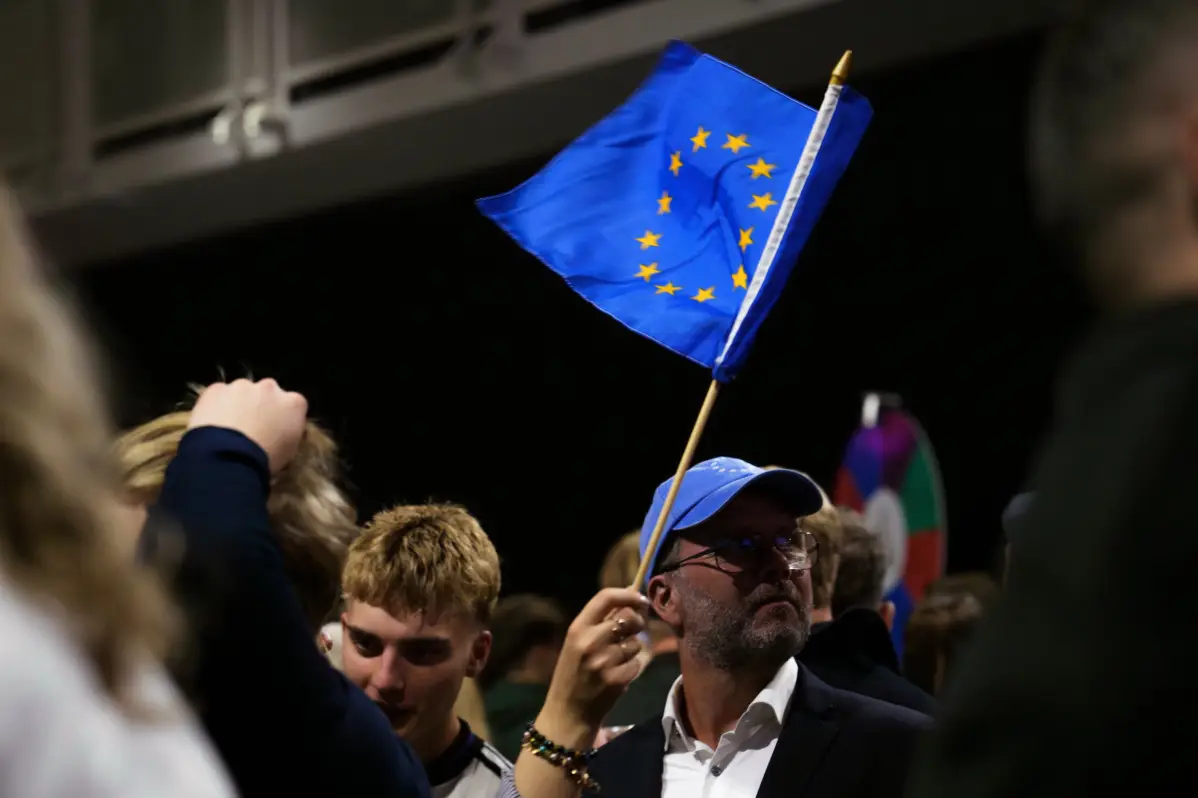
Icelandic voters have rejected a proposal to restart negotiations on joining the European Union, delivering a narrow victory to opponents of closer integration with the bloc.
Final results reported by Iceland’s national broadcaster RÚV showed 52.8% voting against reopening accession talks, while 47.2% voted in favour. Turnout was high at 82.5%, with 225,031 ballots cast.
The referendum, held on Saturday, was not a vote on immediate EU membership. Instead, voters were asked whether Iceland should resume membership negotiations that were suspended more than a decade ago. Any eventual agreement to join the bloc would have required another referendum.
The result exposed a sharp divide between Iceland’s capital and the rest of the country.

Reykjavik was the only area where voters backed restarting the talks, while all other constituencies voted against the proposal. Opposition was particularly strong in rural areas, where concerns over Iceland’s fishing industry and control of its waters played a major role.
Fishing is a crucial part of Iceland’s economy, and opponents of EU negotiations argued that membership could undermine the country’s control over its fisheries through the bloc’s Common Fisheries Policy.
Supporters of reopening negotiations, meanwhile, argued that closer ties with the EU could provide greater economic stability, help address high inflation and interest rates, and strengthen Iceland’s position amid growing geopolitical uncertainty in the Arctic.

Iceland first applied to join the EU in 2009, following the country’s severe financial crisis. Formal negotiations began in 2010, but a eurosceptic government halted the process in 2013 before talks were formally abandoned.
Prime Minister Kristrún Frostadóttir supported holding the referendum and argued that Icelanders should have the opportunity to decide whether the country should reconsider its relationship with the EU in light of changing economic and security conditions.

The government has accepted the result, meaning the question of reopening accession negotiations is now expected to remain off Iceland’s political agenda for the foreseeable future.
Iceland will nevertheless continue to maintain close ties with the EU. The country is part of the European Economic Area, giving it access to the EU single market, and is also part of the Schengen Area, despite not being an EU member.
The referendum therefore leaves Iceland maintaining its current position: closely integrated with Europe economically and through free movement, but outside the European Union itself.