
International
Supreme Court Clears Way for Trump’s White House Ballroom Construction to Continue

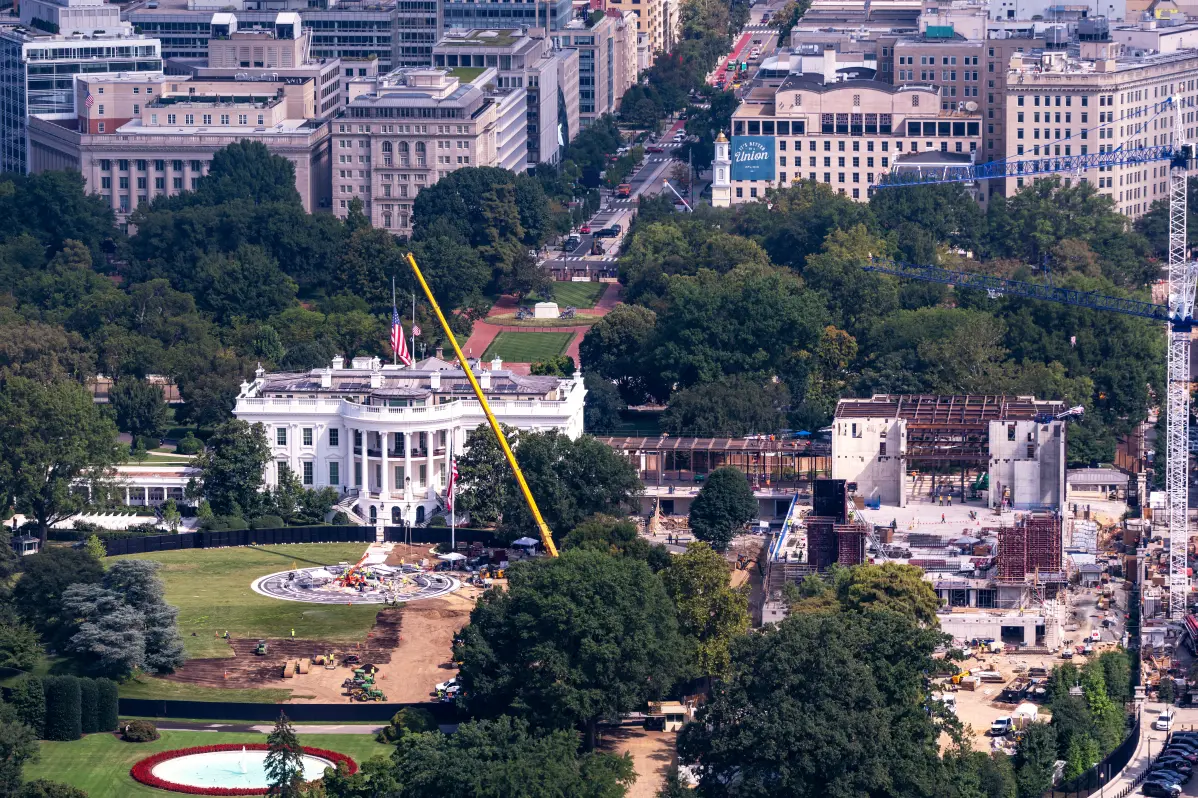
The US Supreme Court has cleared the way for President Donald Trump’s administration to continue construction of a controversial new ballroom at the White House, handing the president a major victory while a broader legal battle over the project continues.
In a 5-4 decision on Monday, the Supreme Court paused lower-court restrictions that had threatened to halt above-ground construction of the planned ballroom. The justices’ decision focused largely on whether the National Trust for Historic Preservation had the legal standing to challenge the project, rather than definitively ruling that the ballroom itself is lawful.

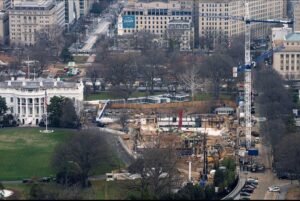
The proposed ballroom, which is being built on the site of the demolished White House East Wing, is expected to cover about 90,000 square feet and accommodate roughly 1,000 guests.
Trump has put the cost of the project at approximately $400 million and has said it will be funded through private donations. However, reporting by The Washington Post based on contractors’ invoices has put the overall cost at about $600 million, with the newspaper reporting that taxpayers could ultimately cover around half of the cost.
The project has faced fierce opposition from historic-preservation groups, which argue that the Trump administration should have obtained congressional approval before undertaking such a major alteration to the White House complex.
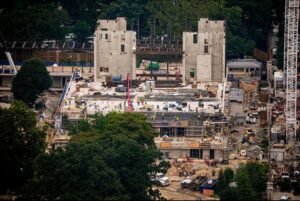
Lower courts had previously sided with opponents and ordered a halt to above-ground construction. The administration appealed, arguing that stopping the work would cause significant harm and that the project was also connected to national-security requirements.
The Supreme Court’s conservative majority, however, concluded that the National Trust for Historic Preservation had not demonstrated the type of direct, concrete injury required to bring the lawsuit. The ruling therefore allows construction to proceed while leaving broader questions surrounding the project’s legality unresolved.
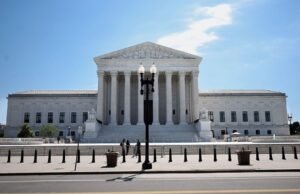
Chief Justice John Roberts was among the four dissenters, joining the court’s three liberal justices. Roberts argued that the project was likely unlawful and raised concerns about the constitutional authority of Congress over federal property.
The decision follows an earlier temporary order issued by Roberts on August 21 that had already allowed construction to continue while the justices considered the administration’s emergency request. Monday’s ruling now provides a broader legal pathway for the work to continue.
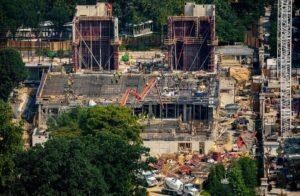
The White House has described the project as an important addition to the presidential complex, while critics have accused Trump of moving ahead with a major transformation of one of America’s most historically significant buildings without sufficient congressional oversight.
The planned complex also includes substantial underground facilities that the administration has linked to presidential security and emergency preparedness. Construction has already advanced significantly, making the Supreme Court’s decision particularly consequential for efforts to stop or alter the project.
For Trump, the ruling represents another significant judicial victory in his effort to reshape the White House and Washington’s federal landscape.
But Monday’s decision does not amount to a final Supreme Court ruling that the ballroom project itself is legal. Instead, the court’s decision allows construction to continue while the remaining legal questions surrounding the project play out.