
General News
Lagos Shortlet Market Faces Tougher Competition as New Apartments Flood Market


The growing number of shortlet apartments in Lagos is putting increasing pressure on operators, with industry players warning that effective management, cost control and aggressive marketing will become critical to staying competitive.
Temidayo Oloyede, Co-founder and Chief Executive Officer of Edala Development, raised the concern during a question-and-answer session at the Edala Investor’s Summit 2.0 held in Lagos on Saturday.
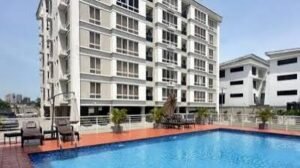
The comments come amid a continued increase in the number of property owners and developers entering Lagos’ short-term accommodation market in search of potentially higher returns.
Oloyede said rising supply would not necessarily affect all operators equally, arguing that the quality of management could determine which businesses survive increasing competition.
“I always tell people that me and you can own shortlet in Lekki Phase 1 and perform better than you. Why? Because we are in the same market. It’s the quality of the person running the business,” he said.

According to him, operators managing several properties may be better positioned to absorb rising operating costs and fluctuations in occupancy.
“For us, generally, if there’s a saturation of the market, we will not be affected because, first of all, we are managing more projects. We have enough shock absorber for our costs,” he said.
Marketing Becomes Critical

Oloyede said operators would increasingly need to compete for customers as more shortlet apartments become available.
He said aggressive marketing, including the use of influencers, could become an important strategy for securing bookings.
“We can pay influencers aggressively. If there are 10 shortlet properties in Surulere, we want to be at least five out of the 10 apartments that people want to book,” he said.
The remarks underline the growing importance of visibility and brand differentiation in a market where customers have more accommodation options.
Occupancy Peaks at 80%
Samuel Olatunde, Chief Operating Officer and Co-founder of Edala Development, said occupancy across the company’s properties currently ranges from about 59 per cent at the lower end to as high as 80 per cent during peak periods.
He said demand typically increases between December and February, when holidaymakers, business travellers and visitors to Lagos contribute to stronger bookings.

Olatunde also noted that some property owners prefer selling their shortlet units rather than managing them because of the operational demands involved in running the businesses.
Lack of Data Creates Uncertainty
A major challenge facing the sector is the absence of reliable industry-wide data.
Olatunde said the lack of comprehensive information on the size and economic contribution of Nigeria’s hospitality industry makes it difficult to determine whether Lagos’ shortlet market has actually reached saturation.
He noted that occupancy figures reported by individual operators could not necessarily be used to assess the performance of the entire market.
The data gap is becoming increasingly important as more investors enter the sector and compete for the same pool of guests.
More Investors Move Into Shortlets
Earlier findings from industry investigations indicated that landlords and property investors in Lagos were increasingly shifting from conventional long-term rentals to shortlets.
Higher potential returns, reduced exposure to some tenant-related challenges and demand from Nigerians living abroad have been cited among the factors attracting investors.
However, the increasing supply of apartments has also intensified competition.
Some operators reported that the 2025 Detty December period was more challenging than previous years, as additional units spread demand across a larger pool of properties.
Bookings also reportedly declined sharply after the first week of January 2026.
In response, operators have been investing in improved furnishings, professional property management, backup power, premium amenities and other features designed to distinguish their apartments.
Banana Island Restricts Shortlets
The growing popularity of shortlets has also generated concerns in some high-end residential communities.
In February 2026, the Banana Island Property Owners and Residents Association prohibited shortlet and Airbnb-style rentals within the estate, citing security and privacy concerns.
The development highlights some of the regulatory and community challenges that could accompany the rapid expansion of the shortlet market.
Two-Bedroom Apartments Remain Popular
Lagos’ shortlet market has increasingly developed into a structured segment of the city’s real estate and hospitality economy.
Operators are paying greater attention to occupancy, pricing, location, operating expenses and guest expectations as competition increases.
Some industry players say an apartment may need to secure at least 10 booked days a month to remain commercially viable.
Two-bedroom apartments remain among the popular options, offering flexibility for families, leisure travellers and business visitors.
With more investors entering the sector, operators are increasingly relying on shorter bookings, enhanced amenities and stronger marketing to maintain occupancy.
The emerging trend suggests that simply owning a shortlet apartment may no longer be enough to guarantee profitability, as effective management, competitive pricing and the ability to consistently attract guests become increasingly important to survival in Lagos’ crowded short-term rental market.