General News
MILAP Trains Young Nigerians to Spot AI-Generated Fake News

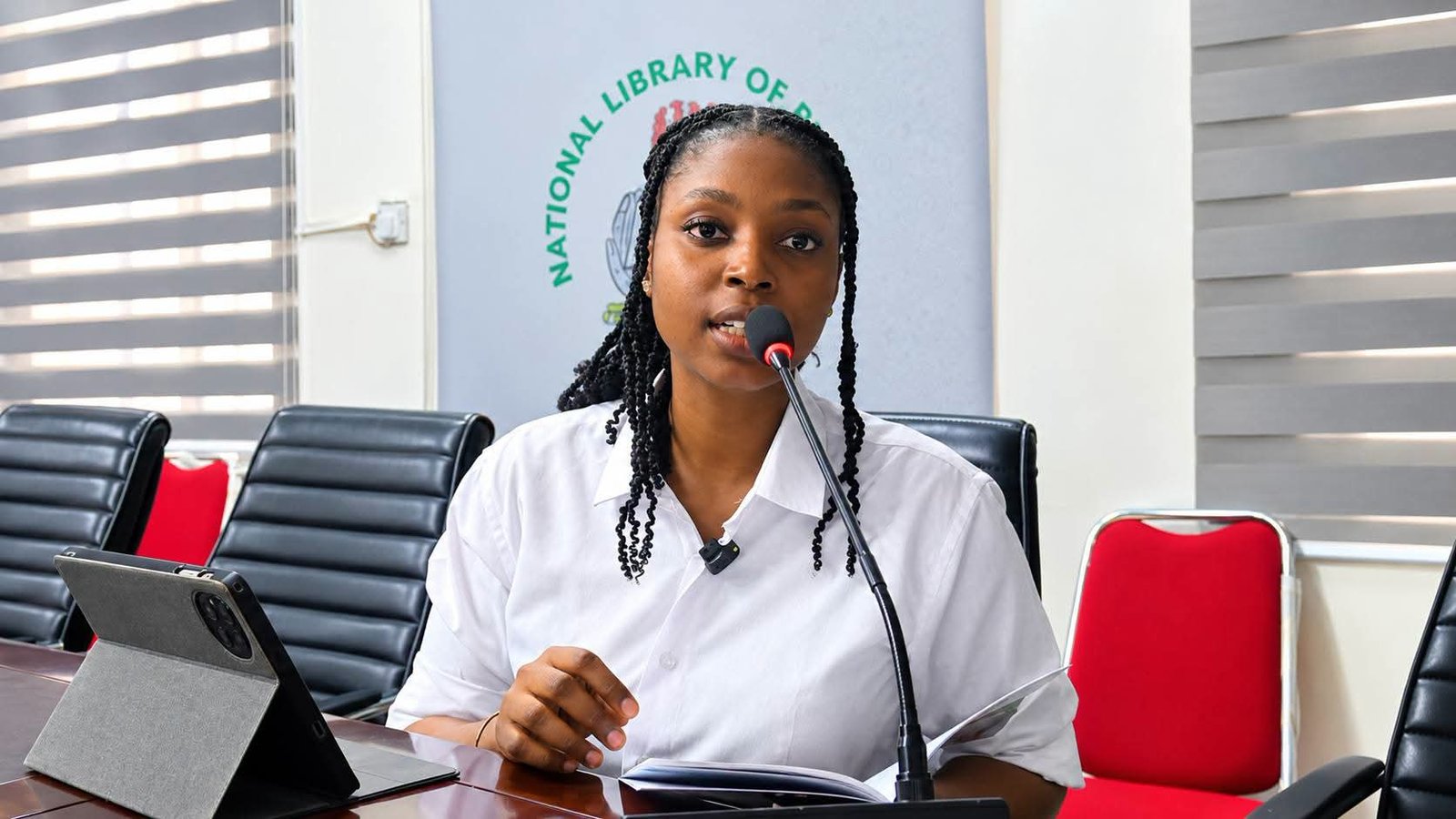
The Media and Information Literacy among Young Professionals (MILAP) says it is training young Nigerians and community members to detect artificial intelligence-generated fake news, verify political claims and combat misinformation ahead of the 2027 general elections.
The founder of MILAP, Toluwanimi Victoria Olujobi, disclosed this in an interview, emphasising the need to equip citizens with critical thinking and media literacy skills to prevent the spread of false information across digital platforms.
Olujobi said the organisation was established to bridge the gap between access to information and the ability of individuals to assess its credibility before accepting or sharing it.
She noted that the growing use of artificial intelligence had made it increasingly difficult to distinguish authentic information from manipulated images, videos and other misleading content.
“The problem and the biggest gap in information is not the fact that the information is not available, but the fact that most people don’t know how to critically think when they get information, analyse it and ensure that it is evaluated before they share it,” she said.
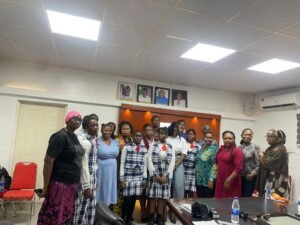
According to her, MILAP’s interventions extend beyond young professionals to include primary and secondary school pupils, students, librarians and other community members.
She explained that the organisation conducts school advocacy programmes, community outreaches, digital skills training and establishes Media and Information Literacy Clubs to promote responsible information consumption and sharing.
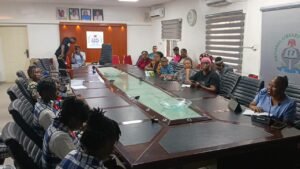
Through the clubs, Olujobi said students are taught how to evaluate information, identify misleading content, use artificial intelligence ethically and acquire digital competencies, including graphic design.
She added that the initiative was designed to equip young people with practical knowledge they could share with their peers and apply within their communities.
“We believe that charity begins at home. One of the things we do is go down to young people, including those in primary and secondary schools, through advocacy outreaches,” she said.

Olujobi stressed that combating misinformation required more than public campaigns urging people to reject fake news, noting that sustained education and practical training were essential to changing information-sharing habits.
“We are not just shouting, saying no to fake news. We are making sure that we are educating them, advocating and also imbibing technical skills in them that will help them do this,” she said.
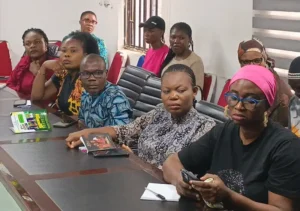
She disclosed that MILAP had reached more than 2,000 people through its activities, adding that the organisation monitored its impact through participants’ feedback and their ability to replicate lessons learned in their respective communities.
According to her, the organisation operates a club-based model that encourages beneficiaries to become advocates for media literacy, extending the reach of its programmes beyond formal training sessions.
She said participants were encouraged to organise activities within their communities, with MILAP providing support where necessary.

AI-Generated Content Raises Election Concerns
With the 2027 general elections approaching, Olujobi said MILAP was intensifying efforts to help young Nigerians identify AI-generated misinformation and verify political information before sharing it.
She explained that participants were trained to use fact-checking tools and verification techniques to establish the accuracy of claims circulating on social media and other digital platforms.
However, she cautioned that technology alone could not eliminate misinformation, arguing that individuals must exercise independent judgment rather than blindly trust information generated by artificial intelligence.
“The first fact-checking tool that you need is your brain,” she said.
Olujobi urged Nigerians to question the source of information, examine supporting evidence and verify claims before accepting or distributing digital content.
She warned that uncritical reliance on AI tools could worsen misinformation when users repeatedly circulate automated outputs without checking their accuracy.
The MILAP founder also disclosed that the organisation had operated a fact-checking team during previous election-related activities, verifying claims and sharing findings through its networks to help audiences distinguish accurate information from false reports.
She said the organisation planned to sustain and strengthen the approach ahead of the 2027 elections by encouraging young people to take greater responsibility for the information they share.
MILAP Seeks Wider Community Engagement
Olujobi said MILAP would continue expanding its school and community programmes to build a population capable of critically assessing information in an increasingly digital society.
She explained that the organisation’s conference brought together participants from different professional and educational backgrounds, including librarians, students and young professionals, to promote responsible information use and ethical engagement with artificial intelligence.
According to her, the initiative aims to ensure that participants understand how to use AI productively while recognising its limitations, ethical implications and potential for misuse.
She called for sustained investment in media and information literacy education, stressing that critical thinking and verification skills had become increasingly important as digital content could be created and distributed rapidly.
Olujobi expressed optimism that equipping young Nigerians with these skills would help curb misinformation, promote informed public discourse and encourage responsible participation in the democratic process ahead of the 2027 general elections.