
War
Iran Strikes U.S. Bases Across Middle East After Reported Wedding Attack Kills Five

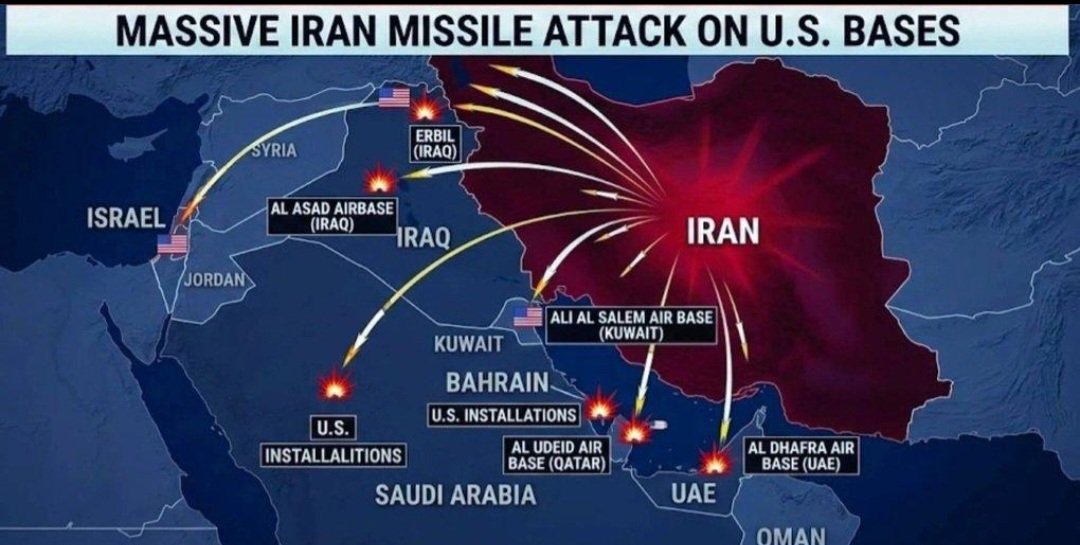
Iran has launched a wave of missile and drone attacks against U.S.-linked military positions across the Middle East after American forces carried out fresh strikes on Iranian targets, sharply escalating a conflict that had been relatively quiet for several weeks.
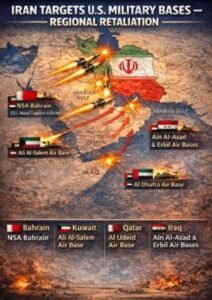
The Iranian attacks targeted U.S. facilities and military interests in Jordan, Iraq, Bahrain and Kuwait, according to reports from Reuters, the Associated Press and other international media. Jordan said its air defences intercepted Iranian missiles, while Kuwait also reported an Iranian drone attack.
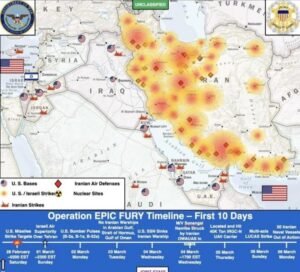
The latest escalation followed U.S. military strikes on Iranian targets, including Islamic Revolutionary Guard Corps assets, air-defence systems, radar installations and communications infrastructure near the Strait of Hormuz. Washington said the operation was aimed at countering Iranian threats to shipping and U.S. personnel.
The confrontation intensified further after Iranian officials reported that a U.S. strike hit a residential building in Kuhestak, in Sirik County, Hormozgan province, where a wedding ceremony was taking place.
The reported death toll has varied as information emerged. Iranian officials and international reports initially put the number lower, but Reuters and the Associated Press later reported five people killed, with dozens more wounded.
Iran has condemned the strike and portrayed the reported civilian deaths as evidence of the consequences of the renewed American military campaign.
The United States has not indicated that civilians attending a wedding were deliberately targeted. The incident is expected to intensify scrutiny of U.S. targeting decisions and the civilian cost of the renewed fighting.
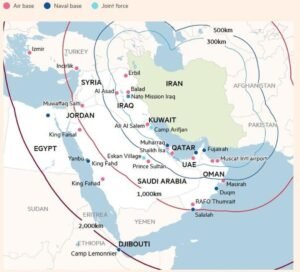
Following the U.S. strikes, Tehran launched missiles and drones toward American military positions and facilities in several countries hosting U.S. forces.
In Jordan, authorities reported intercepting Iranian missiles, while attacks were also reported in Iraq, Bahrain and Kuwait. Bahrain said it intercepted an Iranian aerial attack, while Kuwait reported drone activity.
Iran has claimed that its retaliatory attacks successfully struck American military facilities, although U.S. officials have disputed some of Tehran’s claims about casualties and damage.
The expanding strikes have raised concerns that the confrontation could spread further across the Gulf and threaten countries that host American military forces.
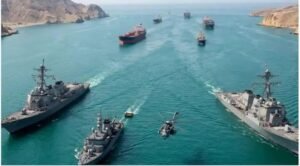
The Strait of Hormuz, one of the world’s most important energy shipping routes, remains at the heart of the confrontation.
The waterway carries a significant portion of global oil supplies, and renewed fighting in and around the region has already unsettled energy markets. Reuters reported that oil prices climbed as the latest attacks raised fears of prolonged disruption to shipping.
The escalation also comes after weeks of relative calm between Washington and Tehran, making the renewed exchange of attacks a potentially significant turning point.
President Donald Trump has issued warnings against further Iranian retaliation, while Tehran has vowed to respond to what it describes as American aggression.
The latest developments have renewed fears that the U.S.-Iran confrontation could evolve into a much broader regional conflict.
Countries hosting U.S. military personnel are now facing the possibility of becoming targets, while governments across the Gulf are under pressure to protect their populations and critical infrastructure.
Diplomatic efforts to contain the confrontation have also become more difficult as both Washington and Tehran exchange threats and accusations. Qatar has warned that the renewed Iranian attacks could complicate mediation efforts.
For civilians caught in the fighting, however, the consequences are already being felt, with the reported wedding strike serving as one of the most troubling examples of the human cost of the renewed hostilities.