
Crime
Lindsay Clancy Trial: Jury Remains Deadlocked After Fifth Day, Mistrial Risk Grows

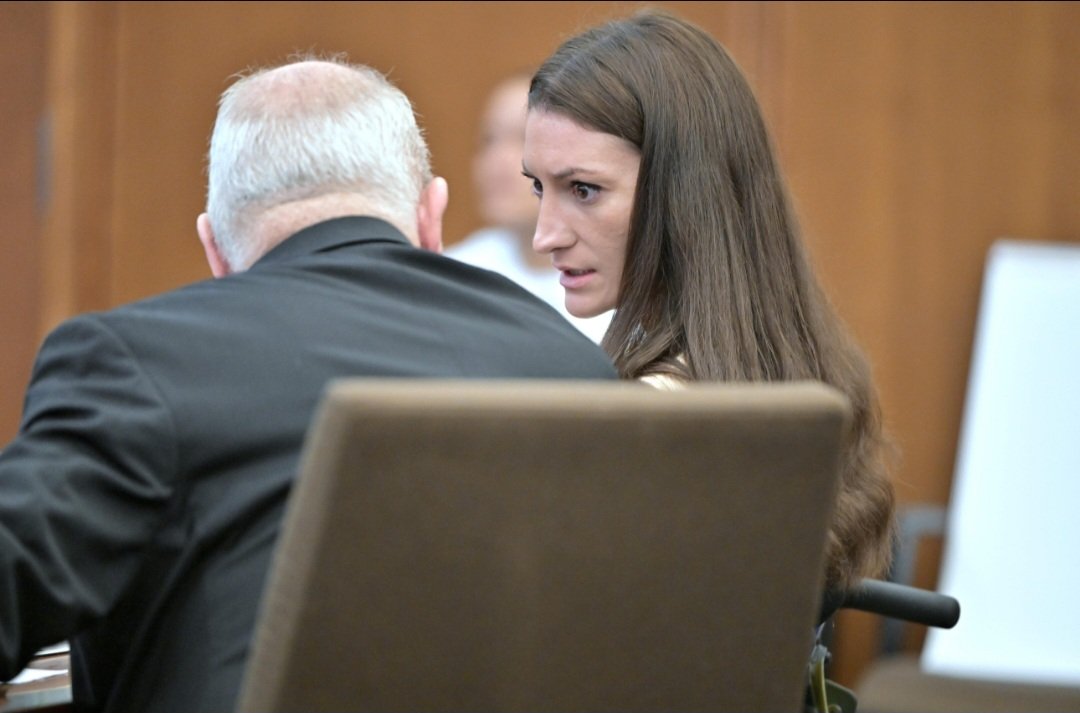
The jury deciding the fate of Lindsay Clancy, the Massachusetts mother accused of killing her three young children, has ended its fifth day of deliberations without reaching a verdict, pushing the closely watched case closer to a possible mistrial.
The 12-member jury returned to Plymouth Superior Court on Wednesday, September 2, but again told Judge William Sullivan that it could not reach a unanimous decision on whether Clancy was criminally responsible for the deaths of her children. The jury had already reported an impasse on Tuesday.
After more than 28 hours of deliberations, Judge Sullivan gave jurors a special legal instruction known in Massachusetts as a Tuey-Rodriguez charge, sometimes called a “dynamite charge.” The instruction encourages jurors to reconsider their positions and seriously consider the views of other members while warning them not to surrender their own convictions simply to reach a verdict.

Despite the judge’s intervention, the jury was dismissed for the evening without a decision. Jurors are scheduled to return Thursday to continue deliberations.
Clancy, 36, a former labor and delivery nurse from Duxbury, has acknowledged strangling her three children; Cora, 5, Dawson, 3, and Callan, 8 months, in the basement of the family’s home on January 24, 2023.
The central question before the jury is not whether she killed the children, but whether she was criminally responsible for her actions.
Her defence has argued that Clancy was suffering from severe mental illness, including postpartum psychosis and bipolar disorder, during the killings. Her lawyers say she was experiencing a psychotic episode and was not in control of her actions.
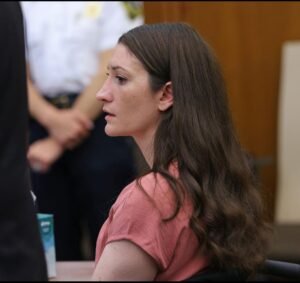
Prosecutors, however, have presented a different account. They contend that Clancy deliberately planned the killings and understood what she was doing, including sending her husband out on errands before carrying out the attacks.
The case has therefore become a major public discussion about postpartum mental health, criminal responsibility and the treatment of women experiencing severe psychiatric illness after childbirth.
The prolonged deadlock has raised the possibility of a hung jury and mistrial.

If the jurors ultimately remain unable to reach a unanimous verdict, Judge Sullivan could declare a mistrial. Prosecutors would then have to decide whether to pursue a new trial, drop the charges or negotiate another resolution with Clancy’s lawyers.
Legal experts quoted by WBUR said the jury’s initial difficulty reaching agreement is not necessarily unusual given the length and complexity of the case, which involved weeks of testimony and hundreds of pieces of evidence. But another declaration of deadlock following the judge’s special instruction could bring the trial to a critical turning point.
If Clancy is found criminally responsible, jurors can consider convictions including first-degree murder, second-degree murder or manslaughter. If she is found not guilty by reason of lack of criminal responsibility, she could still be confined to a psychiatric facility if authorities determine that she poses a danger to the public.
A first-degree murder conviction could result in life imprisonment without parole.

The trial faced another unusual development this week when Dawn Light, 56, was arrested and accused of photographing or recording members of the jury outside the courthouse.
Light, a Clancy supporter and retired nurse, pleaded not guilty to an intimidation charge. Her lawyer described the incident as a misunderstanding, saying Light had intended to photograph Clancy rather than the jurors. She was released on personal recognizance and ordered to stay away from the courthouse, jurors and witnesses.
The incident prompted the judge to question jurors about whether they had seen anything that could affect their impartiality and to remind spectators that the court’s rules concerning jurors would be enforced.
For now, however, attention remains firmly on the jury room.
After five days of deliberation and repeated signs of disagreement, Clancy’s fate remains undecided, with Thursday’s proceedings potentially determining whether the jury can finally reach a verdict or whether the extraordinary trial moves toward a mistrial.