
Government
Presidency Clarifies Tinubu’s US FOIA Case, Says It Is a Civil Records Dispute, Not Criminal Trial

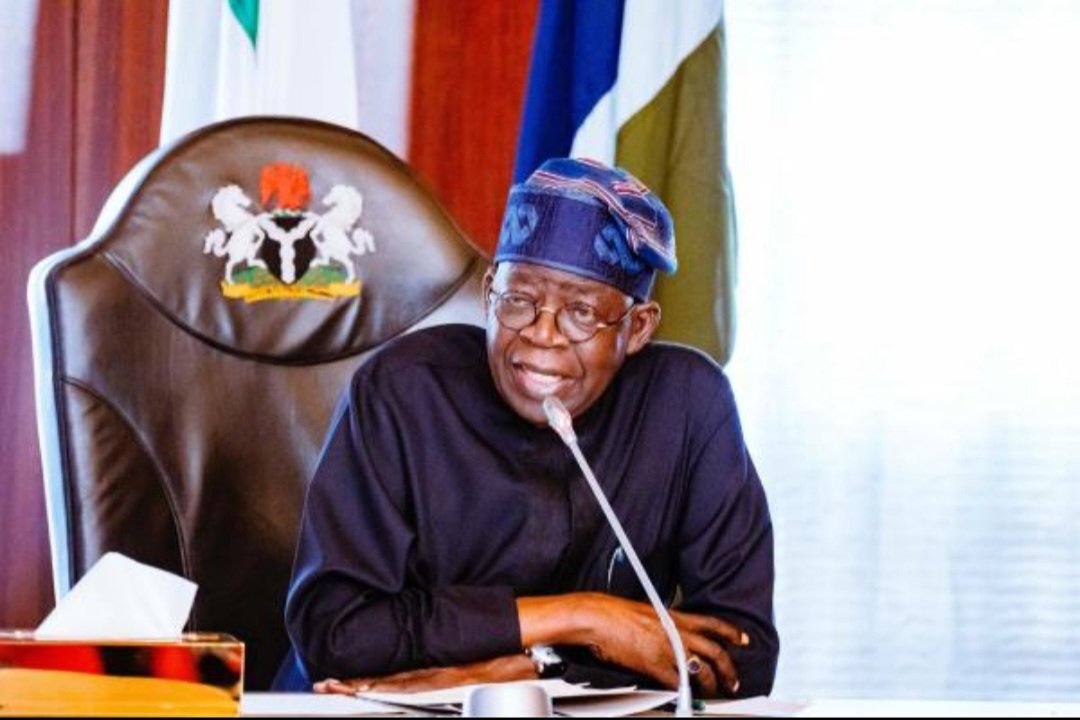
The Presidency has moved to clarify growing controversy surrounding a Freedom of Information Act (FOIA) lawsuit involving records held by United States government agencies concerning President Bola Ahmed Tinubu, insisting that the proceedings are a civil records-disclosure dispute and do not amount to a criminal case against the Nigerian president.
In a statement issued on Thursday by the Special Adviser to the President on Information and Strategy, Bayo Onanuga, the Presidency said recent reports had created the impression that Tinubu was facing a criminal trial in the United States.
It stressed that no U.S. court has found the president guilty of a criminal offence in connection with the case.
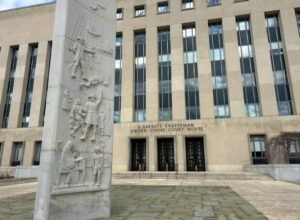
The lawsuit, Greenspan v. Executive Office for U.S. Attorneys et al., Civil Action No. 23-1816, was filed by American transparency activist Aaron Greenspan after U.S. government agencies declined to fully release records sought through FOIA requests concerning Tinubu and others. Court records confirm that the case is being heard by U.S. District Judge Beryl A. Howell in the District Court for the District of Columbia.
According to the Presidency, Greenspan submitted FOIA requests to several U.S. government agencies in 2022. After some agencies withheld records or issued responses declining to confirm or deny whether certain records existed, Greenspan initiated the federal lawsuit in 2023.
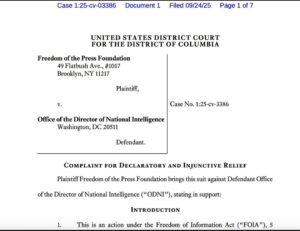
The case initially involved several agencies, including the FBI, DEA, CIA, Department of State, Department of the Treasury, Internal Revenue Service and the Executive Office for U.S. Attorneys.
The court subsequently allowed Tinubu to participate in the proceedings as an intervenor.
A 2025 ruling by Judge Howell dealt specifically with requests for records concerning Tinubu and Abiodun Agbele that Greenspan said were connected to a federal investigation into an international drug-trafficking and money-laundering operation in the early 1990s.
A major issue in the litigation has been the so-called Glomar response, under which a government agency declines to confirm or deny whether responsive records exist.
In her April 2025 ruling, Judge Howell concluded that the FBI and DEA could no longer rely on that position to refuse to process the relevant requests in the circumstances before the court. She directed the agencies to search for and process non-exempt records responsive to Greenspan’s requests.
The ruling, however, did not determine that Tinubu had committed a criminal offence. It concerned whether government agencies had properly applied the exemptions and disclosure requirements contained in U.S. FOIA law.
The Presidency is now emphasizing that distinction as renewed attention focuses on the case.
The latest phase of the litigation concerns records produced by the FBI and DEA and the extent to which portions of those records can legally remain redacted or withheld.
The Presidency said the agencies have produced hundreds of pages of records, but that portions have been withheld under exemptions contained in U.S. law.
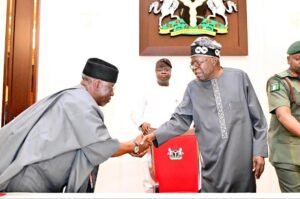
Those exemptions include protections for grand-jury material, attorney-client and attorney-work-product information, law-enforcement material, personal privacy, confidential sources and investigative techniques.
President Tinubu has also asserted privacy protections under FOIA Exemption 7(C) through his lawyers.
Recent reporting has indicated that the FBI submitted records to Judge Howell under seal for private judicial review as the dispute over the redactions continues. The documents were not thereby made public; the judge is expected to determine which portions, if any, are subject to disclosure under the law.
In its latest statement, the Presidency also highlighted a February 4, 2003 letter from the American Consulate in Lagos to then Inspector-General of Police Tafa Balogun.
According to the Presidency, the letter stated that an FBI records check had found no criminal arrest records, wants or warrants for Tinubu, who was then a former Lagos State governor.
The Presidency presented the letter as part of the background to the current controversy.
However, the existence of such a letter does not by itself resolve the separate FOIA litigation, which concerns the disclosure of records held by U.S. agencies and the legal exemptions applicable to those records.
The dispute has increasingly become entangled with Nigerian politics, particularly as attention turns toward the 2027 presidential election.
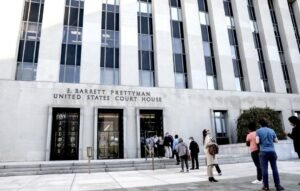
The Presidency accused political opponents and their associates of presenting the litigation in a manner that suggests a criminal proceeding against Tinubu.
It specifically criticised commentary by U.S. lobbyist Karl Von Batten, arguing that he and former Vice-President Atiku Abubakar are not parties to the case.
The Presidency said the outcome will ultimately be determined by Judge Howell on the basis of the evidence, applicable U.S. law and arguments filed by the parties.
Available court records show Greenspan as the plaintiff, U.S. government agencies as defendants and Tinubu as an intervenor.
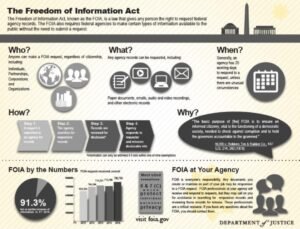
At the centre of the current dispute is not whether a Nigerian president should be convicted of a crime, but whether U.S. government agencies have properly applied FOIA exemptions when withholding or redacting records.
That distinction is important because a FOIA proceeding can involve records relating to criminal investigations without itself being a criminal prosecution.
The court’s 2025 ruling also made clear that the existence or processing of investigative records does not amount to a finding of criminal liability against the person named in those records.
The latest stage of the case therefore remains focused on transparency, privacy and the legal limits governing disclosure of federal law-enforcement records.
The Presidency has urged Nigerian media organisations and the public to distinguish between what has been established through court proceedings and political claims surrounding the case.
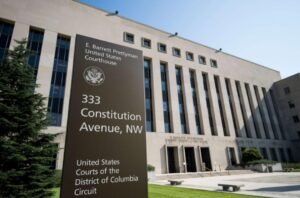
The litigation remains before the U.S. District Court for the District of Columbia.