
International
Deadlocked Jury in Lindsay Clancy Trial Heads Into Seventh Day as Juror Dispute Raises Mistrial Risk

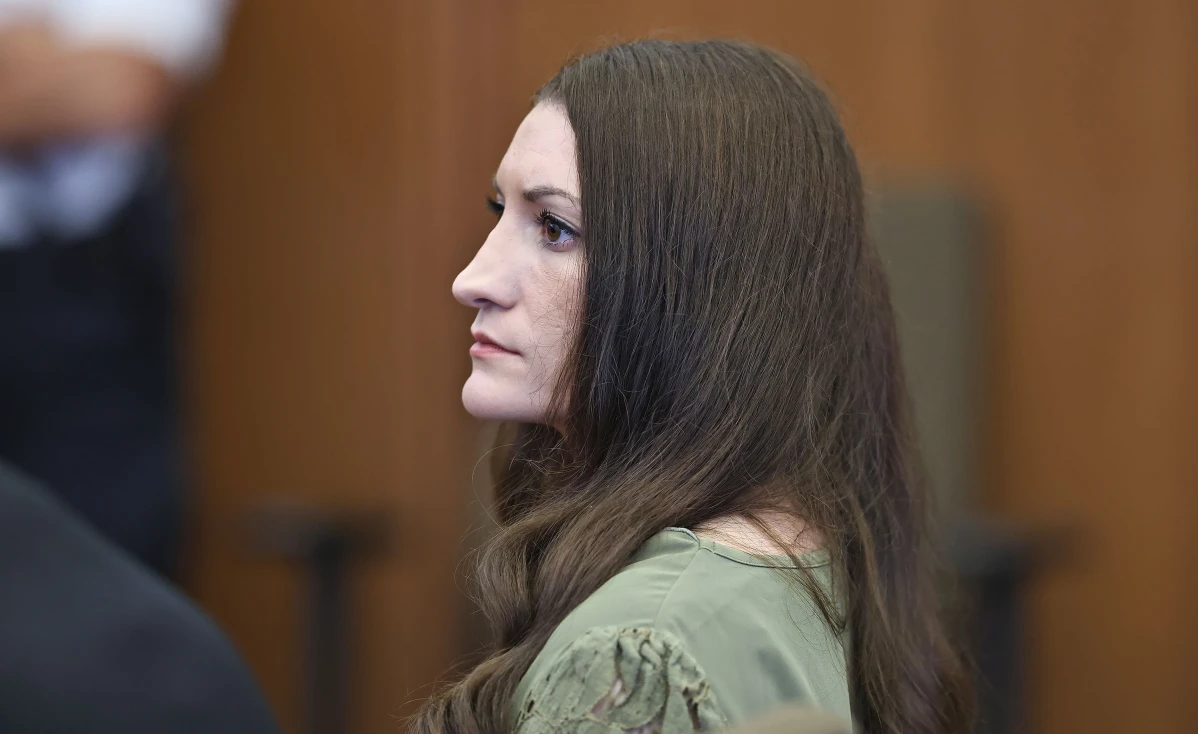
The murder trial of Lindsay Clancy has entered a dramatic new phase after jurors returned for a seventh day of deliberations without reaching a unanimous verdict, with a dispute over a single juror now threatening to end the closely watched case in a mistrial.
The jury’s impasse became public Thursday when the foreperson sent a note to Judge William Sullivan saying that one juror was not following the court’s instructions concerning reasonable doubt.
The disclosure prompted Clancy’s defence attorney, Kevin Reddington, to ask the judge to remove the juror, arguing that the individual was preventing the panel from reaching a verdict. Sullivan rejected the request, saying it would be inappropriate for him to take sides in a dispute among jurors.

Judge Sullivan privately questioned the jurors one by one Thursday before reiterating his instructions on the legal standard of reasonable doubt.
The judge said the jury members had previously sworn that they could follow his instructions and declined to replace the disputed juror.
The jury subsequently returned to deliberations Friday, but the deadlock continued.
The case took another dramatic turn when jurors sent the judge a third note saying they could not reach a unanimous decision. Sullivan then said he had no choice but to declare a mistrial.
However, before formally finalising the mistrial, the judge granted Reddington one hour to seek an emergency stay or appeal so the jury could potentially continue deliberating.
Clancy, 36, is a former labor and delivery nurse who is accused of killing her three children; Cora, 5, Dawson, 3, and Callan, 8 months, at the family’s home in Duxbury, Massachusetts, in January 2023.
She does not dispute that she strangled the children but has pleaded not guilty by reason of a lack of criminal responsibility.
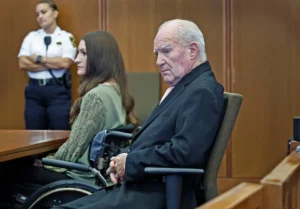
Her defence argues that she was suffering from postpartum psychosis and was experiencing severe delusions at the time of the killings.
Prosecutors have offered a sharply different account. They acknowledge that Clancy was struggling psychologically but argue that she understood what she was doing and deliberately carried out the killings.
The jury has been considering several possible outcomes, including murder and manslaughter convictions as well as a finding that Clancy was not criminally responsible because of her mental state.
The jury’s inability to agree follows an unusually lengthy deliberation period.
According to reports, jurors had spent more than 38 hours deliberating before the latest deadlock. The disagreement has brought the nearly six-week trial to the brink of collapse without a verdict.

The disagreement over the juror also exposed tensions between the defence and the judge.
Reddington has argued that the holdout juror was preventing the panel from properly applying the court’s instructions. The judge, however, has maintained that he cannot remove a juror simply because that juror disagrees with the others during deliberations.
If the mistrial stands, the current proceedings would end without a verdict.
Prosecutors would then have to decide whether to retry Clancy, negotiate a resolution or abandon the case. A retrial would mean presenting the evidence before a new jury.
For now, the defence is fighting to prevent the mistrial and keep the existing jury deliberating.
The extraordinary developments have added another layer to a case that has already attracted widespread attention because of its questions surrounding postpartum mental illness, criminal responsibility and the treatment of mothers experiencing severe psychiatric crises.
The immediate question is whether Clancy’s defence can persuade a higher court to halt the mistrial and allow the jury to continue its deliberations.