
Africa
Burundians Rush to Leave Kenya as Crackdown on Unregistered Foreign Traders Begins

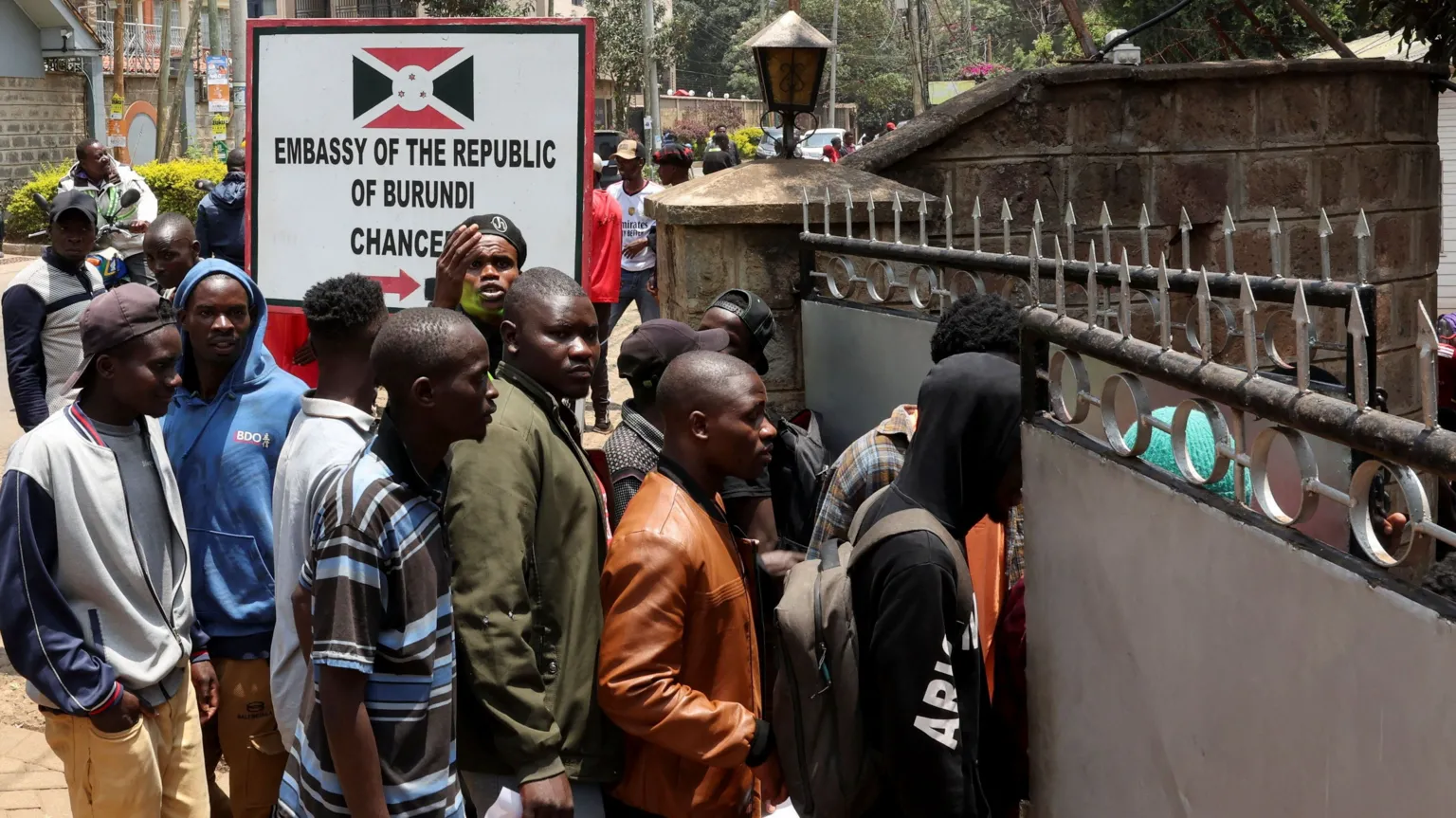
Hundreds of Burundian nationals in Kenya have rushed to secure travel documents and make arrangements to leave the country as President William Ruto’s government begins enforcing a crackdown on foreign nationals operating small-scale businesses without the required permits.
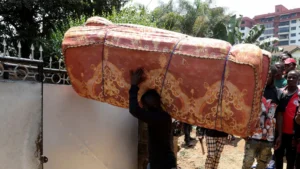
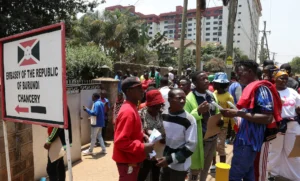
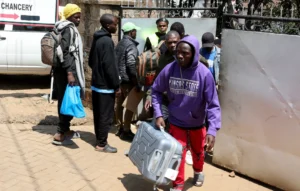
Long queues formed outside the Burundian Embassy in Nairobi on Monday, with many people carrying suitcases and personal belongings as they sought emergency documents to return home. Reuters reported that some Burundians said they felt they were being forced to leave Kenya.
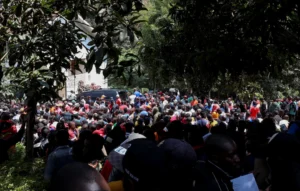
The rush followed Ruto’s directive last week calling for authorities to close small-scale businesses operated by foreign traders without work permits. The order came after Kenyan traders protested against tax reforms and complained about competition from foreign-owned small businesses.
The announcement has triggered anxiety among some Burundian traders and migrants who fear losing their businesses and livelihoods.
At Nairobi’s Country Bus Station, reports showed foreign nationals making arrangements to leave, with buses heading towards Burundi, Rwanda and the Democratic Republic of Congo reportedly drawing increased interest.
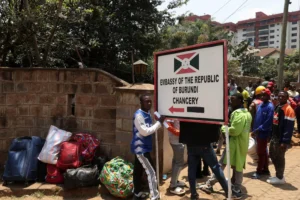
Peter Nakumujango, a 62-year-old Burundian quoted by Reuters, said he was not returning home voluntarily.
“I am not going home by choice. I have been forced to go.”
Another Burundian, 18-year-old Munezero Farnke, said he had lived in Kenya for three years without identification documents and had originally planned to return home the following year.
As tensions mounted, the Kenyan government sought to reassure foreign nationals that the crackdown was aimed at unlicensed businesses rather than nationality.
The government announced a temporary amnesty for undocumented East Africans, allowing them to register through their respective embassies. Authorities said people undergoing registration during the designated period would be presumed legally present in Kenya and would have access to essential services and legal protections.
Kenyan officials also apologised to Burundian nationals over cases of harassment linked to confusion surrounding the enforcement exercise, stressing that the government has “zero tolerance” for intimidation or xenophobia.
Kenya is home to about 16,000 Burundian refugees and asylum seekers, according to UN refugee figures cited by Reuters. Many are involved in small-scale commerce, including selling coffee and second-hand clothing.
The government’s move has also generated criticism within Kenya. Opposition figures and activists have questioned whether targeting foreign traders is the appropriate response to the country’s economic difficulties.
Wiper Patriotic Front leader Kalonzo Musyoka called for dialogue rather than a sweeping crackdown, arguing that Kenya could protect local businesses while allowing foreign traders who meet legal requirements to continue operating.
The developments come as Ruto faces an election in 2027, with critics accusing his administration of using foreign traders as a political target amid economic frustrations. The government, however, maintains that the enforcement campaign is intended to ensure compliance with immigration and work-permit rules.
For now, the sight of Burundian nationals queuing outside their embassy with luggage has become a powerful symbol of the uncertainty created by Kenya’s new foreign-trader policy.