
War
US Says It Destroyed Five More Iranian Oil Tankers After Missile Attacks on Navy Warship

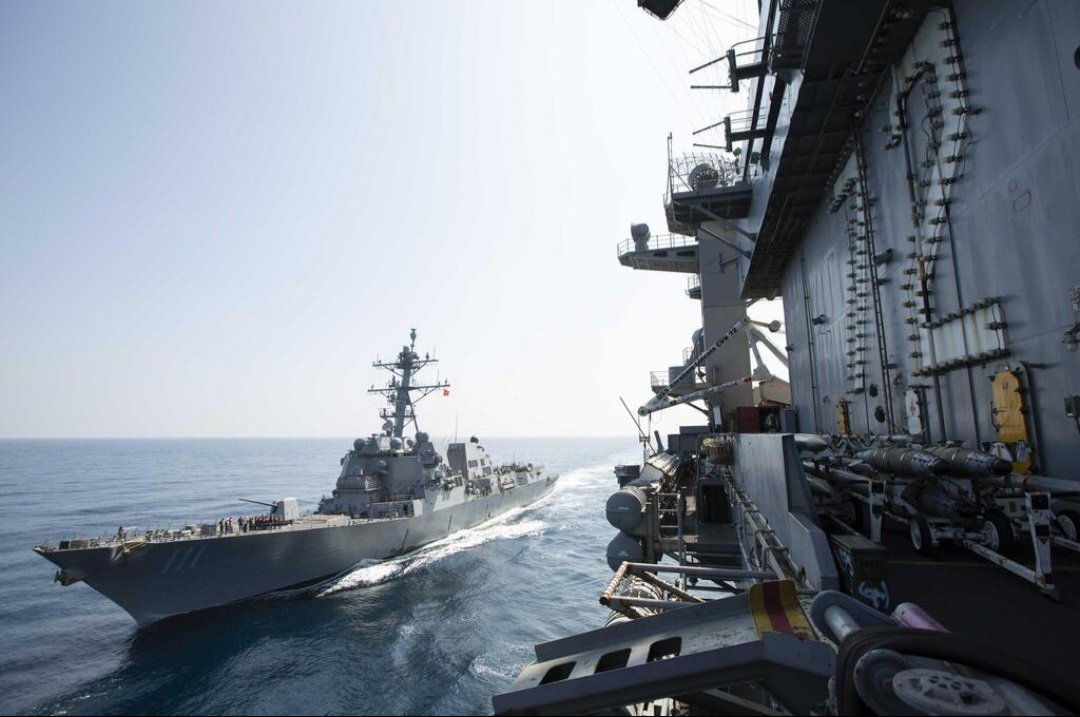
The conflict between the United States and Iran has escalated further after the US military said it destroyed five Iranian crude-oil carriers, following what Washington described as repeated ballistic-missile attacks on an American Navy warship.
The latest strikes, carried out on September 8, came just days after US forces struck three other Iranian oil carriers following attacks on two American warships. The developments have raised fresh concerns about the security of oil shipments and the potential for the conflict to trigger a wider regional confrontation.
According to the US Central Command (CENTCOM), the five vessels were targeted after Iran’s Islamic Revolutionary Guard Corps (IRGC) attempted to strike a US Navy warship with ballistic missiles twice over two days. CENTCOM said the American vessel successfully evaded the attacks.
The latest operation represents a significant expansion of Washington’s campaign against Iran’s oil-shipping network.
CENTCOM previously announced that US forces had destroyed three Iranian crude carriers on September 5 after the IRGC launched missiles toward an American aircraft carrier and a guided-missile destroyer. The US said no American personnel were injured in those attacks.
The US military has described the targeted tankers as part of an Iranian oil network that helps finance the IRGC and its regional allies.
Iran, however, has condemned the American strikes and has continued retaliatory attacks against US interests in the region.
The latest confrontation has not been limited to the sea.
Iran has also launched missiles toward US-linked targets, including a US base in Jordan, while Tehran has claimed attacks against American vessels in the region. US and regional officials say many of the incoming missiles have been intercepted.
The escalation comes as the Strait of Hormuz remains at the centre of the confrontation.
The waterway is one of the world’s most important oil-transit routes, and prolonged disruption could have major consequences for global energy supplies.
The latest military escalation has already rattled energy markets.
Brent crude rose above $100 a barrel on Wednesday for the first time since July, as traders assessed the risks posed by attacks on oil infrastructure, tankers and shipping routes across the region.
The market is particularly sensitive to developments around the Strait of Hormuz, through which a significant share of the world’s oil supply normally passes.
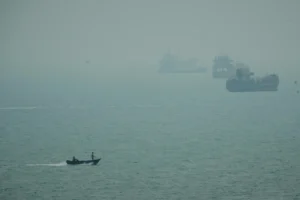
Analysts warn that continued attacks on tankers or a prolonged closure of major shipping routes could push prices even higher, increasing pressure on fuel costs, transportation and inflation around the world.
The targeting of oil tankers adds an economic dimension to the military confrontation.
Rather than limiting attacks to military facilities, both sides are increasingly threatening assets connected to energy exports and maritime trade. That raises the risk of further disruption to commercial shipping and could draw additional countries into the crisis.
The United States has previously warned that it would destroy Iran’s exposed oil fleet if attacks on American warships continued.
With Washington now reporting another five tanker strikes and Iran continuing to threaten American and allied targets, fears are growing that the conflict could enter an even more dangerous phase.