
Crime
Florida Pastor Goes on Trial Over Alleged Role in Haitian President’s Assassination

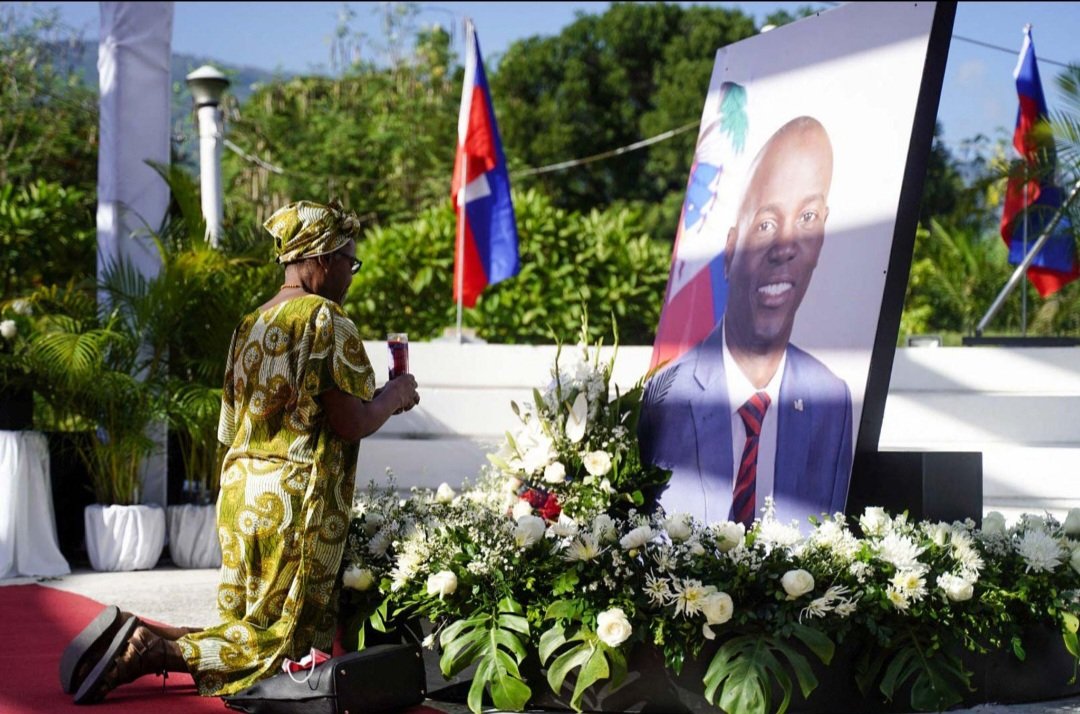
A Haitian-American pastor in Florida has gone on trial in Miami over allegations that he helped orchestrate the 2021 assassination of Haitian President Jovenel Moïse as part of a plan to take control of the Caribbean nation.
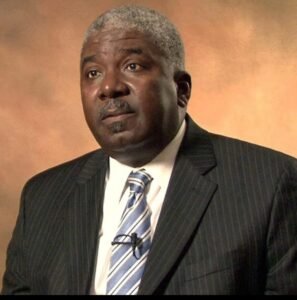
Christian Emmanuel Sanon, 67, is facing eight federal charges connected to the plot, including conspiracy to kill or kidnap a person outside the United States. He has pleaded not guilty and could face life in prison if convicted.
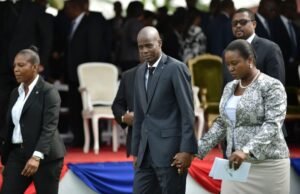
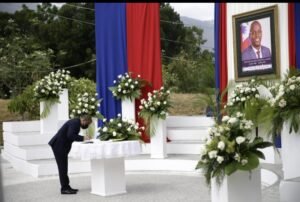
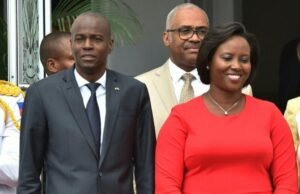
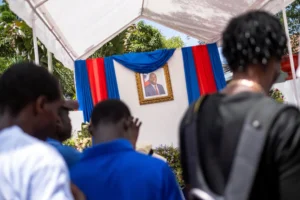
Moïse was killed on July 7, 2021, when armed men stormed his private residence near Port-au-Prince and shot him in his bedroom. His wife, Martine Moïse, was wounded during the attack and is expected to testify during Sanon’s trial.
U.S. prosecutors allege that Sanon wanted to become Haiti’s president after Moïse was removed from power and helped recruit people involved in the plot. Prosecutors say much of the planning and financing took place in South Florida, where Sanon had lived intermittently since the 2000s.
Sanon’s defence disputes the prosecution’s account. His lawyers acknowledge that he had political ambitions in Haiti but are expected to argue that he was not aware of a plan to assassinate Moïse. They say other participants eventually sidelined Sanon as the group considered alternative candidates to succeed the Haitian president.
Sanon was arrested by Haitian authorities days after the assassination. Police searching his home found boxes of ammunition, 19 passports and other items, according to Reuters. He was transferred to U.S. custody in early 2023.
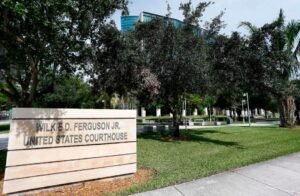
The Miami proceedings are part of a wider U.S. investigation into the killing. More than 40 people have been charged in the United States in connection with the assassination, while 12 defendants have already been convicted. Five of those convicted are serving life sentences.
Four other defendants were tried earlier this year in Miami after being accused of helping plan and finance the operation. A jury was seated in March for the case involving Arcángel Pretel Ortiz, Antonio Intriago, Walter Veintemilla and James Solages. Sanon’s case was separated because of medical reasons.
The prosecution has portrayed South Florida as a central base for efforts to remove Moïse and establish a new Haitian government. Investigators have said the alleged conspiracy involved political and financial objectives, including the prospect of securing government contracts after a change in leadership.
The assassination plunged Haiti deeper into political instability and was followed by an expansion of gang control across large parts of the country. Haiti has remained without an elected president since Moïse’s death, while authorities have struggled to restore security and establish a stable political system.
Sanon’s trial is expected to provide another examination of the events surrounding Moïse’s killing and the alleged international network behind the operation. The outcome will depend on evidence presented to the jury and whether prosecutors can prove the charges beyond a reasonable doubt.