
General News
30% Value Addition Bill Will Transform Nigeria’s Industrial Sector, RMRDC DG Says


The proposed 30 per cent mandatory value addition law will compel Nigeria to process more of its raw materials locally and could transform the country’s industrial sector, the Director-General of the Raw Materials Research and Development Council (RMRDC), Prof. Nnanyelugo Ike-Muonso, has said.
Ike-Muonso said the bill, which has been amended following proposals by President Bola Tinubu and returned to the National Assembly, is expected to be transmitted to the President for assent after completing the legislative process.
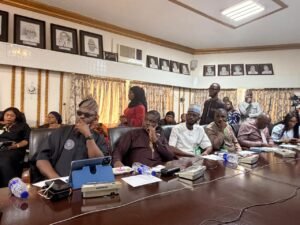
Speaking on the proposed legislation, the RMRDC director-general expressed optimism that it would be signed into law, describing it as a major instrument for unlocking Nigeria’s industrial potential and reducing the export of raw materials without processing.
According to him, the proposed law would require at least 30 per cent value addition to raw materials before they are exported, ensuring that the extraction of resources from Nigeria contributes directly to domestic industrial development.

“By saying you must, it means that every extraction must contribute to industrial growth of Nigeria,” Ike-Muonso said.
He explained that the requirement would not be limited to minerals but would also apply to agricultural produce and other raw materials, arguing that processing even a portion of the commodities currently exported in their raw form could stimulate new markets, factories, jobs and investment opportunities.
Ike-Muonso cited lithium as an example of the potential benefits of local processing, noting that adding value to minerals before export could significantly increase their commercial worth and create opportunities across the domestic value chain.

He also stressed the need for better knowledge of the raw materials available across Nigerian communities, saying inadequate information about the country’s resources had contributed to dependence on imported raw materials.
He said the RMRDC was strengthening its data systems to make information on Nigeria’s raw-material resources more accessible for investment, industrial planning and policymaking.
The Council’s National Raw Material Information and Resource Assessment system is designed to provide data that can support investment decisions and planning around the country’s raw-material resources.
The RMRDC boss said the value-addition agenda would also require greater awareness among young Nigerians, particularly about the economic and industrial potential of resources available in their communities.
He said the Council was developing programmes for secondary-school students, including educational portals and quiz competitions, to improve awareness of raw materials and their industrial applications.
Ike-Muonso further argued that Africa’s industrial transformation would depend on moving beyond the extraction of natural resources to processing them into products that retain greater economic value on the continent.
Other speakers, including the summit’s Head of Secretariat, Rachael Kotso, and Director of Corporate Affairs, Chinyere Nnamdi-Anum, said the summit would bring together policymakers, industry leaders, academics, researchers, manufacturers and entrepreneurs to examine strategies for enabling Africa to retain more value from its natural resources.