
Disaster/Tragedy
Four Dead as Storm Isaias Brings Flood Threat Across US Southeast

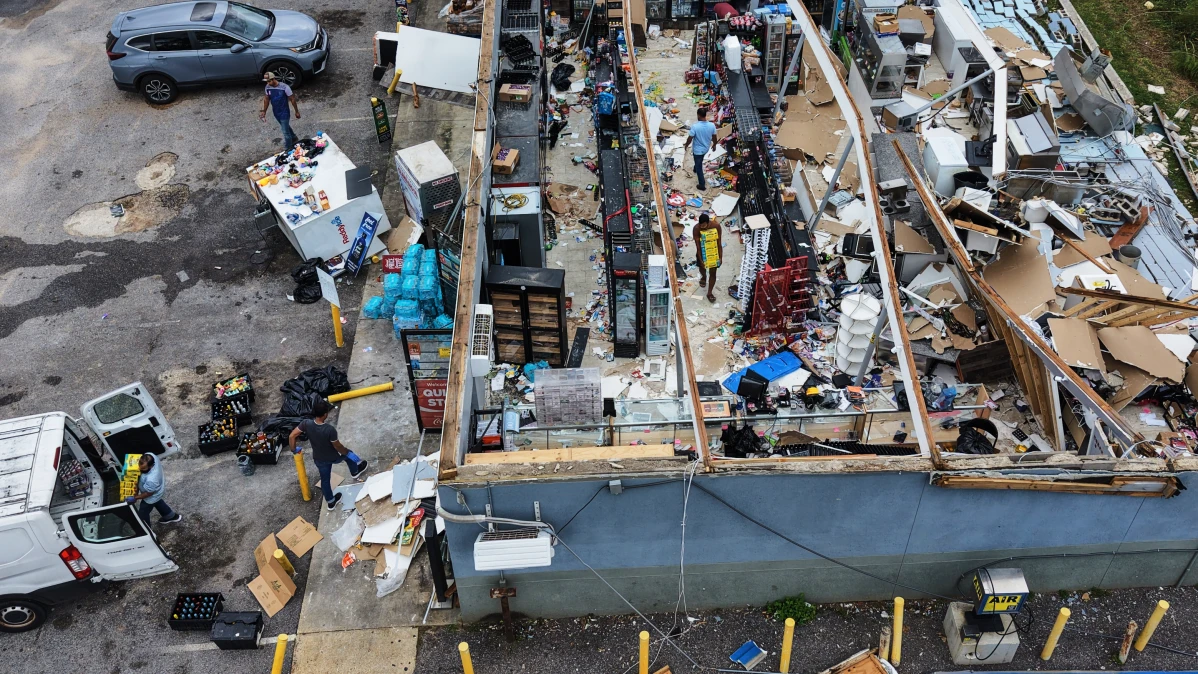
At least four people have died as Storm Isaias moves across the southeastern United States, leaving widespread damage, power outages and a continuing threat of flash flooding and tornadoes despite weakening from hurricane strength.
The storm made landfall near Destin, Florida, on Friday night, October 9, as a Category 2 hurricane, bringing destructive winds and heavy rain to communities along the Gulf Coast. By Saturday, it had weakened into a post-tropical cyclone, but forecasters warned that the danger was not over.
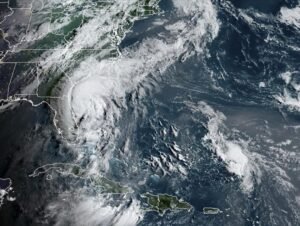
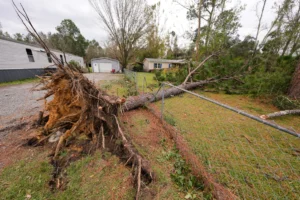
According to reports by the Associated Press, Reuters and Agence France-Presse, two of the deaths occurred in Florida and two in Alabama. Falling trees were linked to several fatalities, while another death was attributed to carbon monoxide poisoning from a generator, according to initial reports. Authorities continued assessing the storm’s impact.
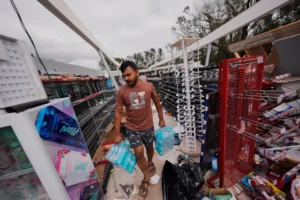
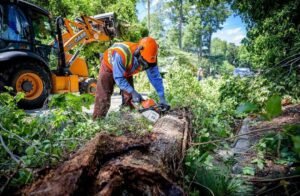
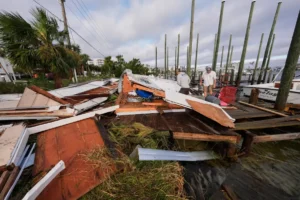
Isaias tore roofs from homes, hotels and apartment buildings, damaged building facades and brought down trees and power lines. In Pensacola, a hotel roof was blown away, while a boathouse in Destin was flattened. Some roads in Alabama became impassable because of debris and other storm-related hazards.
The storm also caused extensive power outages across Florida, Alabama and neighbouring states. Estimates varied as restoration work began, with reports indicating that hundreds of thousands of customers were left without electricity. Utility crews were deployed to clear debris and restore service, while officials urged residents to avoid damaged areas and downed power lines.
The National Weather Service warned that heavy rainfall could trigger flash flooding across parts of the Southeast and the southern Appalachian region. Some areas could receive several additional inches of rain, with locally higher totals possible. Flooding could affect roads, homes and low-lying communities even after the strongest winds had passed.
Forecasters also warned of possible tornadoes in parts of Georgia and the Carolinas, while strong wind gusts and dangerous coastal conditions remained concerns. The storm was expected to move north towards the Tennessee Valley and the mid-Atlantic, extending the risk of heavy rain beyond the Gulf Coast.
President Donald Trump approved emergency declarations for affected states, including Florida, Alabama and Georgia, allowing federal assistance to support response and recovery efforts. Local emergency teams continued inspecting buildings, clearing roads and checking on residents.
Although Isaias weakened rapidly after landfall, officials stressed that a storm’s danger does not end when its winds subside. Saturated ground, falling trees, damaged infrastructure and rising waterways can create further hazards long after the centre of a storm has moved away.
Residents across the affected region were advised to follow local emergency guidance, avoid flooded roads and use generators only outdoors and away from doors and windows to prevent carbon monoxide poisoning.