
Disaster/Tragedy
Nepal Observes National Day of Mourning for Victims of Devastating Flash Floods

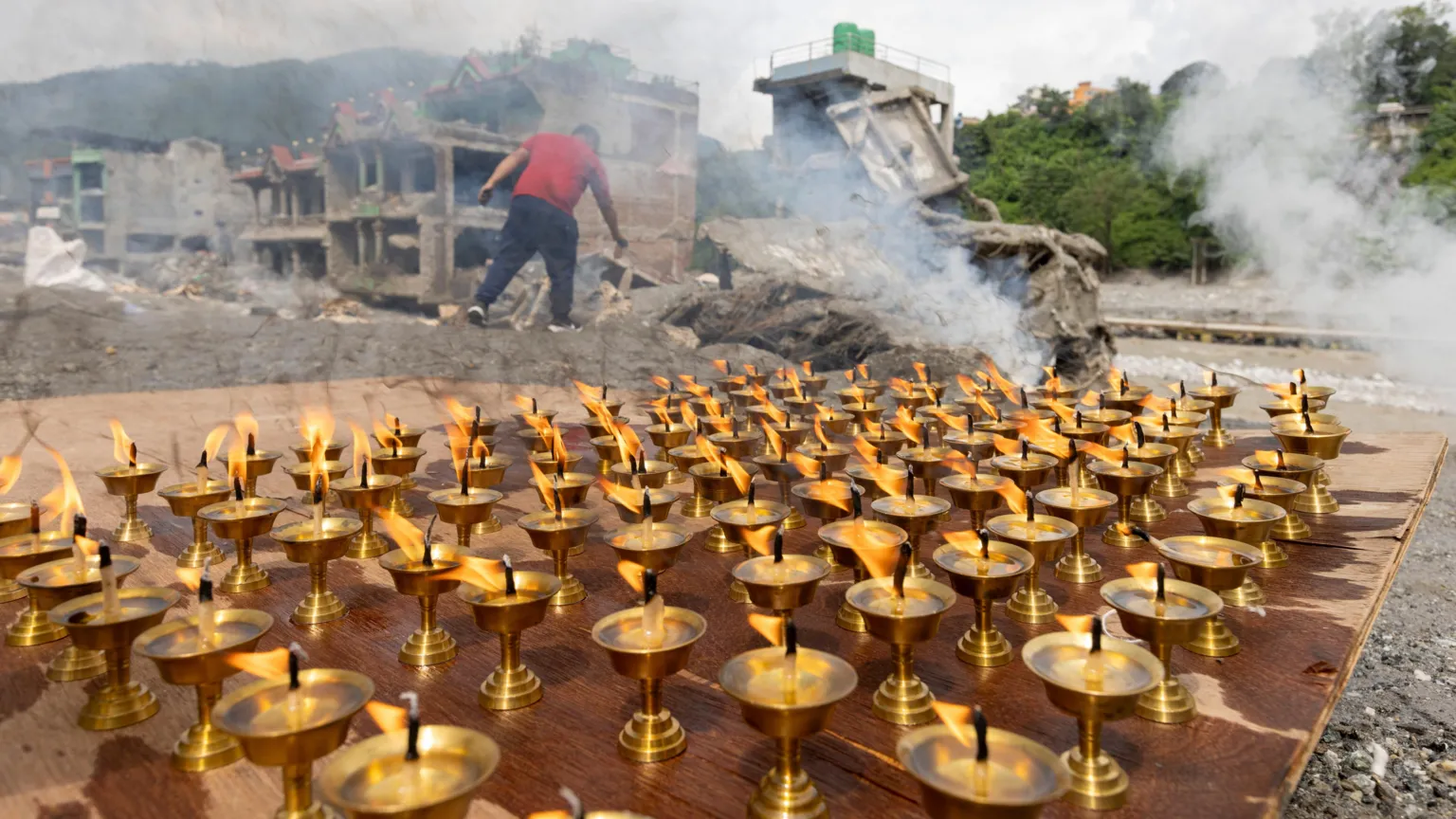
Nepal has observed a national day of mourning for victims of the catastrophic flash floods that swept through the country on August 26, killing more than 1,300 people and leaving thousands still unaccounted for.
Government offices and Nepali diplomatic missions abroad lowered the national flag to half-mast on Monday, September 7, as families gathered for prayers and traditional mourning rituals. The day marks the 13th day since the disaster, which is significant in Hindu mourning traditions.

The floods and landslides devastated areas including Rasuwa, Nuwakot and Dhading, destroying homes, roads, bridges and hydropower infrastructure. The disaster also affected areas across the border in Tibet.
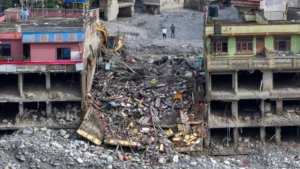
Nepal’s latest official figures reported by the country’s disaster authorities put the number of recovered bodies at 1,355, while nearly 5,000 people remain missing. More than 13,000 people have been rescued so far.
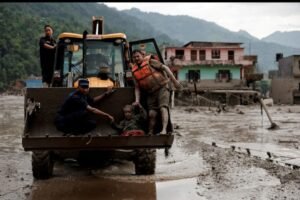
The disaster has also created a major challenge for rescue teams, particularly around hydropower projects. Reuters reported that about 900 hydropower workers are among those missing, with more than 100 feared to be trapped inside tunnels. Specialist teams are continuing efforts to reach the affected sites.
Across Nepal, relatives of those who died or remain missing have gathered for prayers, candlelight vigils and symbolic funeral ceremonies.
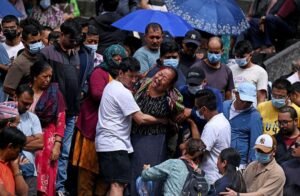
In cases where bodies have not been recovered, some families have performed traditional funeral rites as a way of seeking spiritual closure while still hoping that missing relatives could be found alive.
Religious ceremonies were held in several affected communities, including along the Trishuli River, where Buddhist monks offered prayers for the victims.
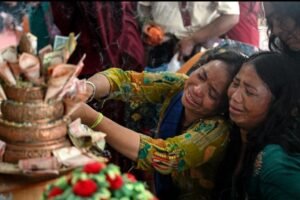
While the country mourns, rescue teams continue searching for thousands of missing people.
Authorities have been particularly focused on hydropower sites, where flooded and collapsed tunnels have made rescue operations extremely difficult. International teams and equipment from several countries have also joined the effort.
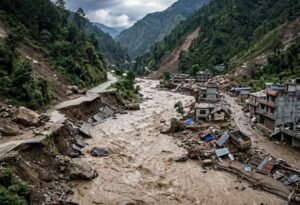
The disaster has placed enormous pressure on Nepal’s emergency response system, with survivors in some of the worst-hit communities still facing damaged roads, destroyed infrastructure and limited access to essential services.
The government has appealed for international assistance as rescue teams race against time to locate those still missing.
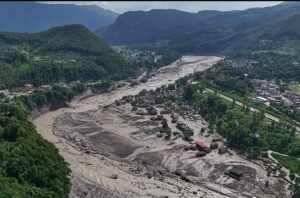
For many families, however, Monday’s national mourning was not simply a ceremonial occasion. It was a day to remember loved ones lost in one of Nepal’s worst natural disasters in recent years, while keeping hope alive for those who have yet to be found.