
Disaster/Tragedy
Colombia Gold Mine Collapse Kills 14, Injures Seven in Remote Region

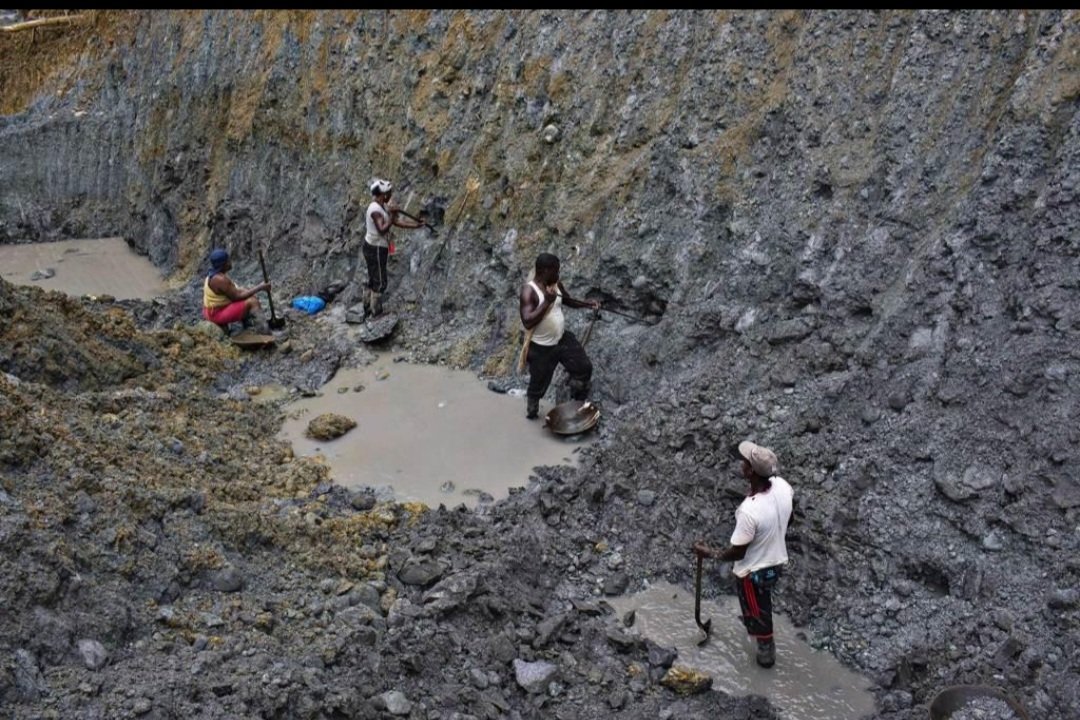
At least 14 people have been killed and seven others injured after an illegal gold mine collapsed in southwestern Colombia, prompting renewed calls for stronger mining regulations and improved safety standards.
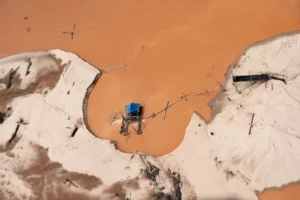
The incident occurred in the rural Chambero sector of Santa Bárbara de Iscuandé, in Nariño province, where informal gold mining is widespread. Local authorities confirmed the death toll on Monday, October 19, after the collapse buried workers at the mining site.
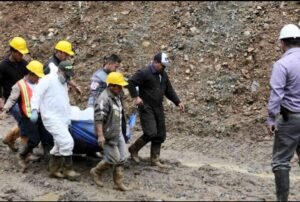
Nariño Governor Luis Alfonso Escobar said search and rescue operations had concluded, while regional officials coordinated assistance for the injured and the families of those who died.
The disaster has once again exposed the dangers faced by workers in unregulated mining operations, which frequently lack adequate structural support, protective equipment and emergency response systems.
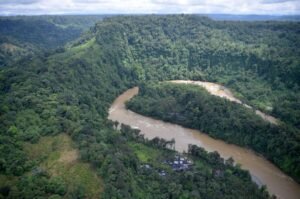
The remote location of the accident has also complicated emergency efforts. Santa Bárbara de Iscuandé is surrounded by dense rainforest and can be reached mainly by boat or small aircraft, making it difficult for rescue teams and medical personnel to access the affected area quickly.
The Associated Press reported that the mine was operating without the required permits. The collapse occurred in a region where illegal mining is a persistent problem, with some operations reportedly controlled or influenced by armed groups.
Colombia’s Ombudsman’s Office appealed to armed groups operating in the area to allow humanitarian assistance to reach affected communities and ensure that emergency workers can carry out their duties safely.
Following the tragedy, Escobar urged the national government, the National Mining Agency and the Ministry of Mines and Energy to accelerate efforts to formalise small-scale and informal mining operations. He said improved regulation was necessary to strengthen working conditions and prevent further loss of life.
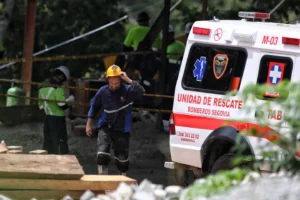
The latest incident follows another deadly mining accident in Nariño in August, when 13 people died in a similar collapse in the municipality of Policarpa. The two disasters have claimed a combined 27 lives in less than three months, according to regional authorities.
Informal mining provides livelihoods for many people in Colombia’s rural communities, but operations outside regulatory oversight can expose workers to severe risks. Authorities face the challenge of enforcing safety standards while addressing the economic pressures that drive people into unregulated work.
The latest deaths have intensified calls for stronger oversight, safer mining practices and better access to emergency services in remote areas where gold extraction remains an important source of income.