
Africa
Burkina Faso’s Parliament Has Voted to Reinstate The Death Penalty


Burkina Faso’s parliament has voted unanimously to reinstate the death penalty for certain crimes, reversing the West African country’s abolition of capital punishment in 2018.
The 71-member People’s Legislative Assembly approved a revised penal code on Tuesday, October 20, following its presentation by Justice Minister Edasso Rodrigue Bayala, according to the Justice Ministry and reports by Reuters and The Associated Press.
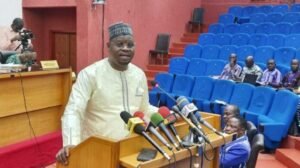
Under the revised legislation, capital punishment will apply to offences including terrorism, espionage, treason, patricide and the importation of expired or prohibited products that result in death.
The government has defended the decision as part of efforts to strengthen public order and address the country’s worsening security challenges. Bayala argued that the previous legal framework was too lenient, saying armed groups had exploited the prospect of limited punishment to recruit members.
Burkina Faso has battled a prolonged insurgency involving armed groups affiliated with al-Qaeda and the Islamic State. The violence has killed thousands of people and displaced millions across the country and the wider Sahel region.

The country has been under military rule since a coup in 2022 brought Captain Ibrahim Traoré to power. The military-led government has made security and national sovereignty central to its agenda.
However, the return of capital punishment has raised concerns among human rights organisations, which have warned that the measure could increase repression and potentially be used against government critics.

Human Rights Watch previously cautioned that restoring the death penalty could deepen a climate of fear and send a threatening message to people who oppose the military authorities. Amnesty International has also opposed the reinstatement of capital punishment.
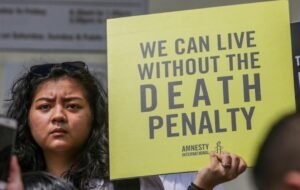
Burkina Faso abolished the death penalty in 2018 under the government of former president Roch Marc Christian Kaboré. Its last known judicial execution took place in 1988, according to human rights reporting.
The decision marks a significant shift in the country’s criminal justice system and adds to concerns about civil liberties under military rule.
The reform also places Burkina Faso among countries that retain or have moved to restore capital punishment, despite continuing international campaigns for its abolition.