
Business
African Exporters Target China’s $ Market as Import Expo Opens New Trade Frontiers

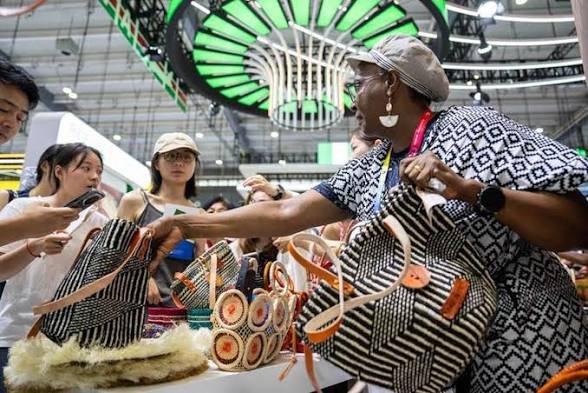
African businesses are set to gain wider access to China’s lucrative consumer market as the ninth China International Import Expo (CIIE) opens new opportunities for exporters, particularly small and medium-sized enterprises across the continent.
The six-day exhibition, scheduled for November 5 to 10 in Shanghai, comes amid growing efforts by China to strengthen economic ties with African countries through preferential trade policies, improved payment systems and initiatives aimed at removing barriers to international commerce.
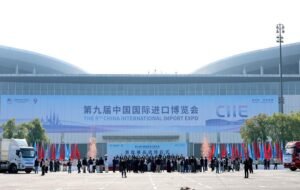
A total of 162 countries, regions and international organisations are expected to participate in the 2026 edition, with 4,142 overseas companies showcasing their products and services.
Central to the renewed trade push is China’s decision to introduce zero-tariff treatment for products from 53 African countries with which it maintains diplomatic relations, effective May 1.

Other measures include the establishment of green channels to facilitate agricultural exports from Africa and the expansion of the use of China’s Cross-Border Interbank Payment System (CIPS) by African financial institutions to reduce transaction costs.
The China International Import Expo, established in 2018 as the world’s first national-level exhibition dedicated to imports, has become an important avenue for African businesses seeking to connect with Chinese importers and consumers.

Evidence of the platform’s growing relevance can be seen in the success of several African products that have gained entry into the Chinese market through previous editions.
They include Nigerian cashew nuts, Zambian honey, Beninese pineapples and Kenyan flowers. South African exporters have equally secured business opportunities for rooibos tea, wine, avocados and jewellery.
The commercial impact was particularly evident at the 2025 exhibition, where South Africa’s Standard Bank brought 21 export clients to the event.

The bank disclosed that clients from four African markets secured export contracts valued at approximately $140 million with Chinese importers through its Africa-China Trade Solutions initiative.
Beyond export earnings, such agreements offer opportunities for job creation, business expansion and improved economic livelihoods in participating African countries.
Organisers are also strengthening the participation of African enterprises through an expanded Asia-Africa Products Zone, which was introduced at the previous edition.
The exhibition will feature a dedicated business matchmaking programme for Asian and African food and agricultural products, designed to link exporters directly with prospective Chinese buyers.
Particular attention is being given to micro, small and medium-sized enterprises (MSMEs), which account for nearly 90 per cent of businesses across Africa but often struggle with the financial and logistical requirements of entering international markets.

Under the support arrangements, small businesses from least developed countries, most of which are in Africa, will have access to free exhibition booths and other logistical and operational assistance.
The interventions are expected to make participation more affordable while giving smaller African businesses opportunities to establish commercial relationships, negotiate supply agreements and explore partnerships with Chinese companies.
For Africa, the growing importance of the CIIE extends beyond product exhibitions. It provides a channel through which trade agreements and market-opening policies can translate into tangible business opportunities.
As the ninth edition gets underway, African exporters will have another opportunity to position their products before Chinese buyers, strengthen existing commercial relationships and explore the vast possibilities offered by one of the world’s largest consumer markets.