
Business
Bank of Canada Raises Key Interest Rate to 2.5%, Signals Possible Further Hike

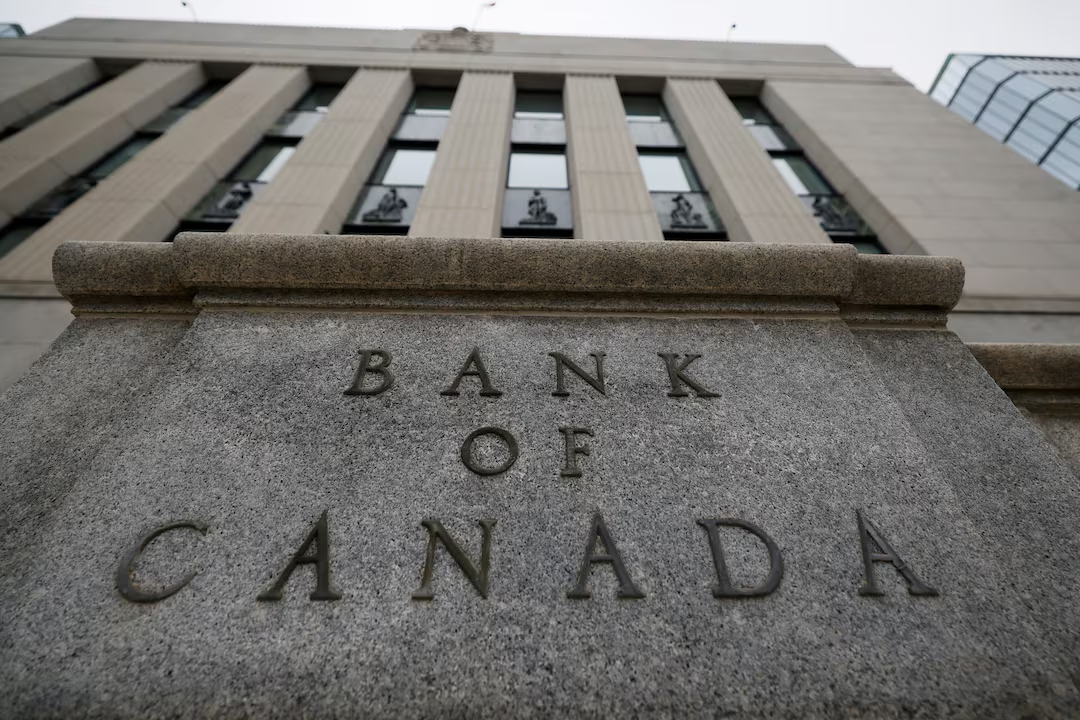
The Bank of Canada has raised its key interest rate to 2.5 per cent, its first increase since July 2023, warning that further hikes may be necessary to prevent rising energy costs from driving inflation higher.
The central bank announced the 0.25 percentage-point increase on Wednesday, October 28, 2026, raising its target for the overnight rate from 2.25 per cent to 2.5 per cent. It also increased the Bank Rate to 2.75 per cent and the deposit rate to 2.45 per cent.
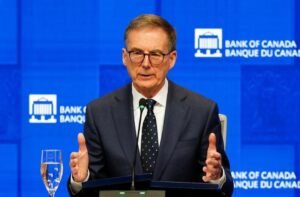
Bank of Canada Governor Tiff Macklem said the decision was aimed at reducing the risk that persistently high energy prices would spread to other goods and services, pushing up the general cost of living.
“With the outlook for inflation substantially higher and the economy showing resilience, an increase in the policy rate is needed to reduce the risk that elevated energy prices could spill over and become generalized inflation,” Macklem said.
He added that another increase could be necessary but stressed that the bank would proceed cautiously because of uncertainty surrounding the economic outlook.
The decision follows rising inflationary pressures linked largely to higher oil and fuel prices. Canada’s annual inflation rate reached 3.1 per cent in September, exceeding the central bank’s preferred range of one to three per cent. The Bank expects inflation to rise to approximately 3.5 per cent by the end of 2026 before averaging around three per cent in 2027.

According to the bank’s latest Monetary Policy Report, inflation is expected to remain elevated through much of next year before gradually returning towards its two per cent target by the middle of 2028.
The central bank warned that higher fuel prices were increasing production and transportation costs, while businesses that had previously absorbed rising expenses could begin passing them on to consumers. Higher import costs, including those linked to United States tariffs and currency movements, are also adding to the pressure.

However, the rate increase has raised concerns about its potential impact on households and businesses already facing elevated living costs. Higher interest rates can increase borrowing expenses, including costs associated with variable-rate loans and some mortgages, while making credit more expensive for businesses.
Some economists have questioned whether another increase is necessary, arguing that underlying inflation remains relatively contained and that tighter monetary policy could weigh on an already vulnerable economic recovery.
The bank expects Canada’s economy to grow by one per cent in 2026, before expanding by two per cent annually in 2027 and 2028. It also expects economic activity to weaken towards the end of this year amid renewed trade tensions with the United States.
Macklem said the bank would assess economic developments at each policy meeting rather than commit to a predetermined path for interest rates.
The Bank of Canada’s next scheduled interest rate announcement is December 9, 2026, when policymakers will have another opportunity to assess inflation, economic growth and the effects of the latest increase.