
Business
China Lifts Fuel Export Restrictions for July in Move to Boost Overseas Shipments

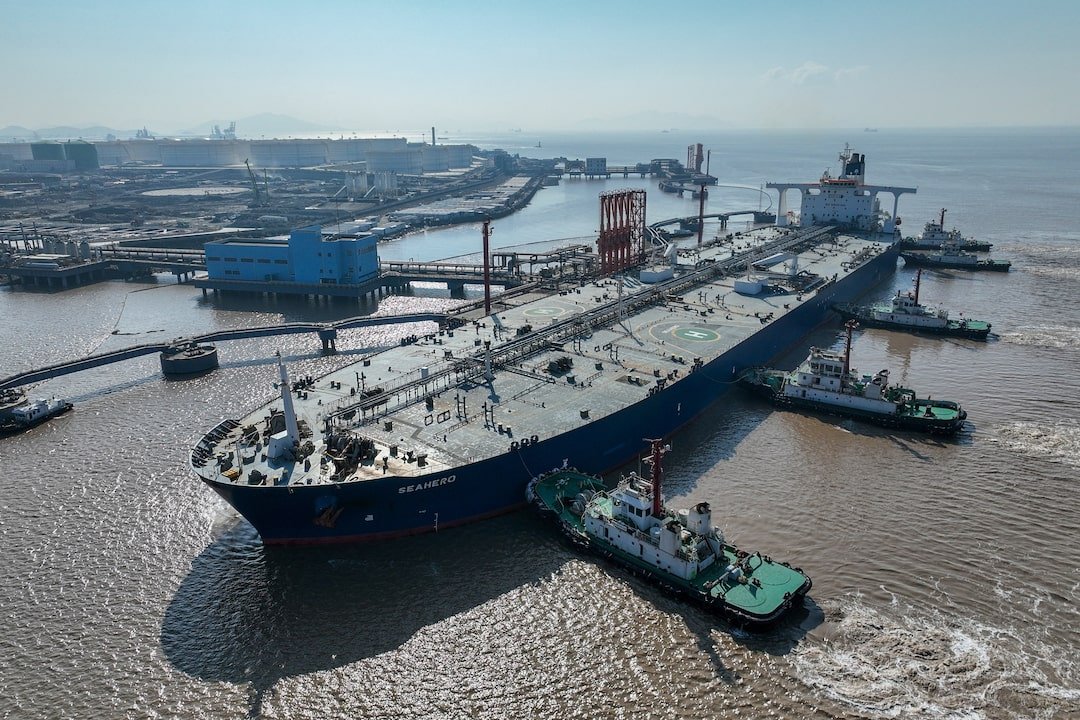
China has relaxed restrictions on fuel exports for July, allowing refiners greater flexibility to sell gasoline, diesel, and jet fuel overseas in a move that could increase supplies across Asian energy markets and ease concerns about regional fuel shortages.
According to industry sources familiar with the matter, Chinese authorities have informed refiners that previously imposed limitations on fuel exports will be eased for July, enabling companies to make fuller use of their remaining export quotas. The decision is expected to boost shipments of refined petroleum products from the world’s second-largest economy and one of the region’s largest refining hubs.

The policy shift comes as Chinese refiners continue operating at relatively high utilization rates despite mixed domestic fuel demand. Analysts say allowing more exports could help refiners manage inventories while supporting profitability through access to international markets where margins may be more attractive.
China controls fuel exports through a quota system that determines how much gasoline, diesel, and aviation fuel refiners can sell abroad. The system gives Beijing significant influence over regional fuel supply dynamics because changes in export volumes can affect prices and availability throughout Asia.
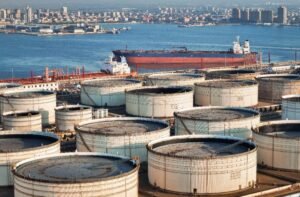
Market participants said the easing of July restrictions could lead to increased shipments to countries across Asia-Pacific, particularly those that rely on imported refined products. Traders expect additional Chinese supplies to improve market liquidity and potentially moderate fuel price pressures in some importing nations.

Industry experts note that Beijing’s decision appears to reflect confidence in domestic energy supplies. Earlier restrictions had been associated with efforts to prioritize domestic demand and manage environmental objectives. With refinery output remaining strong and inventories relatively stable, authorities may now see room for higher exports without jeopardizing local supply security.

The move is also being closely watched by global oil markets because China remains one of the world’s largest consumers and processors of crude oil. Changes in Chinese export policy can influence regional refining margins, shipping activity, and broader energy market sentiment.
Analysts say increased fuel exports could provide support for neighboring economies that have faced fluctuating fuel costs in recent months. Greater availability of Chinese products may help stabilize supplies of diesel and jet fuel, particularly during periods of seasonal demand growth.
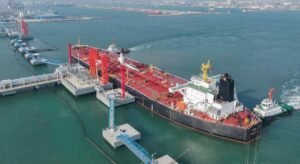
Despite the relaxation of July export controls, experts caution that China’s fuel export policy remains subject to government oversight and can be adjusted quickly in response to domestic economic conditions, energy security concerns, or environmental priorities. As a result, refiners and traders will continue monitoring signals from Beijing regarding future quota allocations and export guidance.
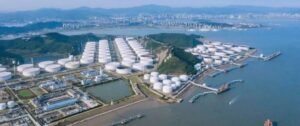
The development underscores China’s continuing influence over global energy markets. As one of the world’s largest refining centers, shifts in Chinese fuel export policy can have significant implications not only for Asian economies but also for international trade flows and fuel pricing trends worldwide.