
General News
FG Issues N729bn Power Bond As Electricity Sector Faces N1.7trn Annual Funding Gap

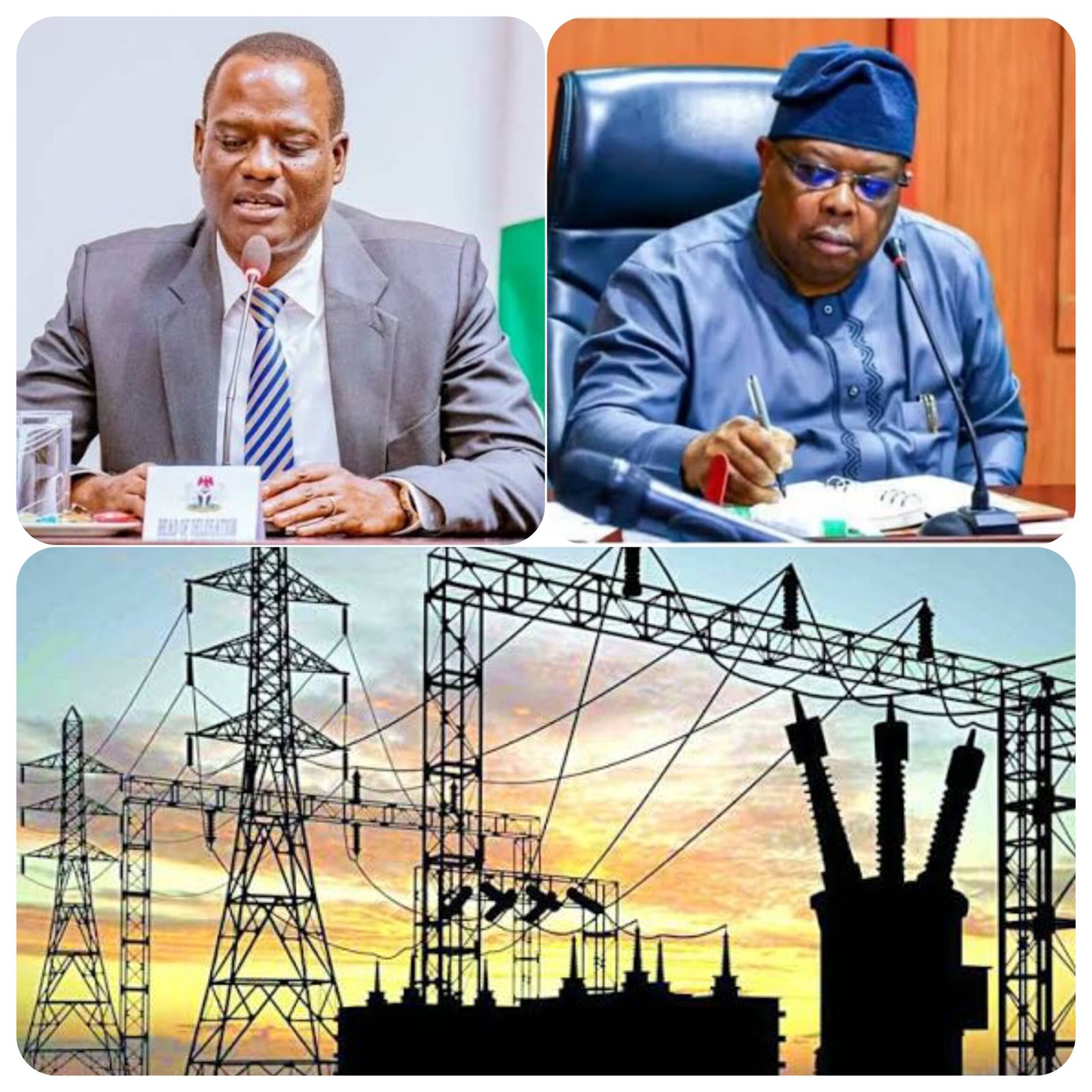
The Federal Government has issued a fresh N728.98 billion bond to settle verified legacy debts owed to 11 electricity generation companies (GenCos), as the power sector continues to face an estimated annual revenue shortfall of about N1.7 trillion.

The Series 2 bond, issued under the N4 trillion Power Sector Multi Instrument Issuance Programme, comprises N402 billion in cash bonds raised through the domestic capital market and N326.98 billion in non cash bonds allocated to participating GenCos under the Presidential Power Sector Debt Reduction Programme.
Minister of Finance and Coordinating Minister of the Economy, Taiwo Oyedele, said the intervention was aimed at addressing accumulated obligations that had weakened liquidity, constrained investment and affected confidence across the electricity value chain.
Speaking at the signing ceremony in Abuja, Oyedele said the bond issuance would have to be complemented by structural reforms to address the underlying problems in the sector.
He listed stronger market discipline, improved revenue assurance, reduction in technical and commercial losses and greater accountability among measures required to ensure long term sustainability.
“The success of this programme will not be measured by the size of the bond issued but by whether we achieve a financially sustainable electricity market that can attract investment, meet its obligations and deliver more reliable power to Nigerian households and businesses,” he said.
The Managing Director and Chief Executive Officer of Nigerian Bulk Electricity Trading Plc (NBET), Akin Odeyemi, described the transaction as another step towards addressing the financial challenges that have constrained the Nigerian Electricity Supply Industry.
Odeyemi said Series 2 followed the successful N501 billion Series 1 issuance completed in January 2026, which involved eight GenCos.
He said the latest phase had expanded participation to 11 GenCos and provided a market based mechanism for settling verified legacy debts while improving liquidity and confidence across the electricity market.
According to him, unpaid obligations had limited power producers’ ability to invest in additional generation capacity, making the debt settlement an important component of efforts to strengthen the sector.
Special Adviser to the President on Energy, Olu Verheijen, said the government had now delivered more than N1.23 trillion under the N4 trillion programme through the first two series.
She said the initiative followed extensive verification of debts owed to GenCos and gas suppliers, with settlement agreements executed with 11 GenCos covering 21 power plants.
Verheijen described the latest issuance as an expansion of the model established under Series 1.
However, Special Adviser to the President on Power, Lanre Babalola, cautioned that settling existing debts alone would not prevent the accumulation of new liabilities unless the structural causes of the sector’s financial challenges were addressed.
Managing Director of CardinalStone Capital Advisers, Michael Nzewi, said the N728.98 billion transaction represented the largest bond issuance in the history of Nigeria’s capital market.
Representing the Minister of Power, Joseph Tegbe, the Permanent Secretary of the ministry, Mahmuda Mamman, said the intervention demonstrated the government’s commitment to creating a more stable foundation for electricity supply.
Director General of the Bureau of Public Enterprises, Ayodeji Gbeleyi, linked sustainable electricity supply to Nigeria’s ambition of building a $1 trillion economy, while Sahara Group Chief Executive Officer, Kola Adesina, who spoke on behalf of the GenCos, welcomed the intervention and called for improved operational performance alongside increased liquidity.
The development comes as persistent market revenue shortfalls and tariffs that do not fully reflect costs continue to contribute to the sector’s estimated N1.7 trillion annual funding gap, highlighting the need for further reforms beyond the settlement of legacy debts.