
World News
Hantavirus Patients from Cruise Ship Arrive in Europe for Treatment

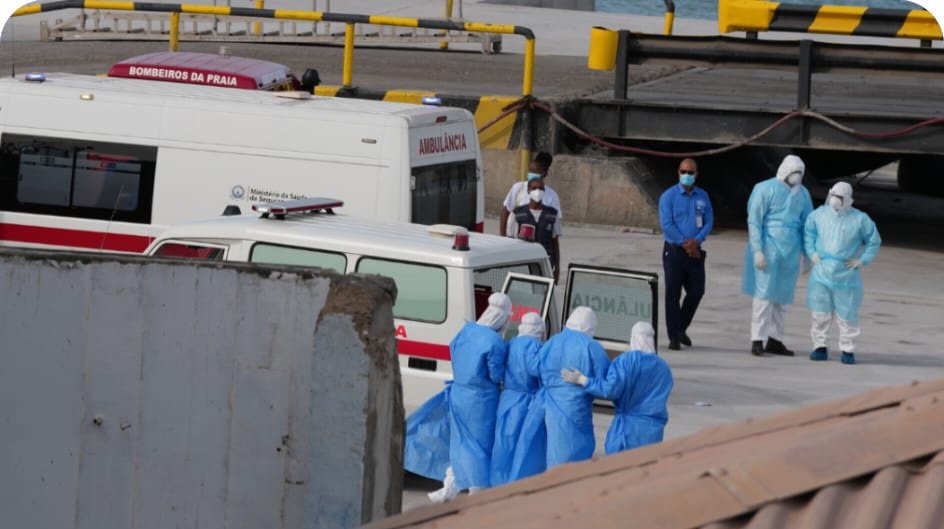
Patients infected with hantavirus aboard a cruise ship in the Atlantic have begun arriving in Europe for specialized treatment, as authorities intensify efforts to contain the outbreak and reassure the public.
According to multiple international reports, at least three individuals were medically evacuated from the Dutch-flagged cruise ship MV Hondius and transported to hospitals in Europe, including facilities in the Netherlands and Germany.
The evacuations follow a deadly outbreak onboard that has already claimed at least three lives and infected several others. Health officials say a number of passengers remain in isolation on the vessel, which is currently en route to Spain’s Canary Islands after being denied docking at other ports.
Authorities have confirmed that cases linked to the cruise have now been detected in Europe, including Switzerland, raising concerns about cross-border transmission.
The virus involved is believed to be the Andes strain of hantavirus, a rare variant capable of limited human-to-human transmission, unlike most forms of the virus, which are typically spread through contact with infected rodent droppings.
Spain has agreed to allow the vessel to dock in the Canary Islands for medical and humanitarian reasons, despite opposition from regional authorities and growing concern among residents.
Local officials fear the arrival of the ship could trigger disruptions similar to COVID-19-era quarantines, although global health authorities insist the overall risk remains low.
The World Health Organization (WHO) is coordinating the international response, including patient evacuations, contact tracing, and monitoring of potential new cases. Officials emphasize that, while serious, the outbreak does not pose a high global threat at this stage.
Experts note that hantavirus infections can be severe, often causing respiratory complications, and there is currently no specific cure making early detection and supportive care critical.
The remaining passengers; around 140 to 150 people, are expected to be repatriated once the ship docks, while affected individuals continue to receive treatment in Europe.
Health authorities across multiple countries remain on alert as investigations continue into how the outbreak began, with early indications pointing to possible exposure during a stop in South America.