General News
HISTORIC OKPE IDENTITY UNDER THREAT AS MONARCH DECLARES OKPE A DIALECT OF URHOBO

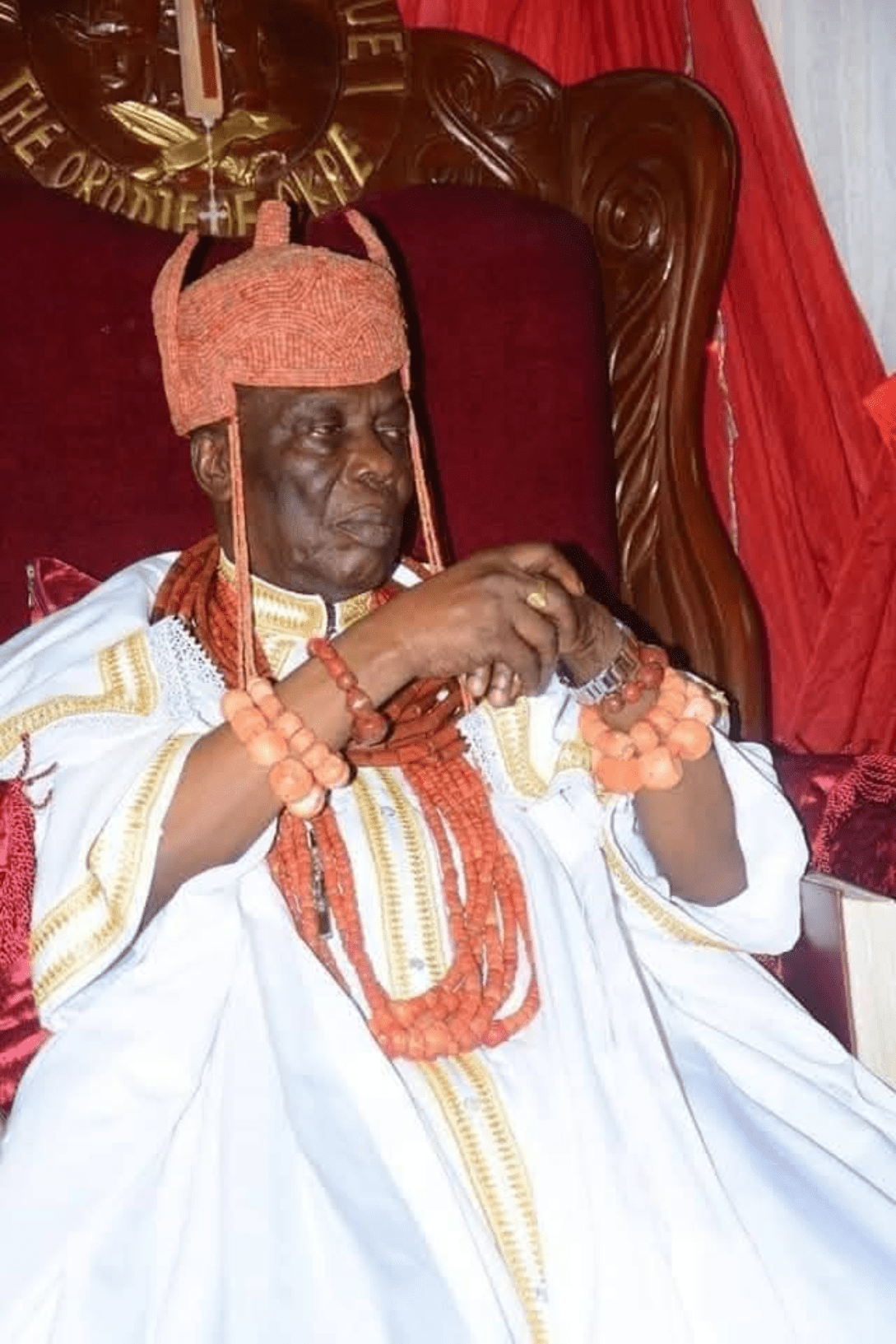
A video statement by HRM Orhue I, the Orodje of Okpe Kingdom, declaring that “Okpe is a dialect of the Urhobo,” has ignited widespread controversy and condemnation from the Okpe community worldwide. The November 5, 2025, statement, seen as a denial of Okpe’s distinct ethnic nationality, was immediately rejected by the Okpe Union as false and historically inaccurate.
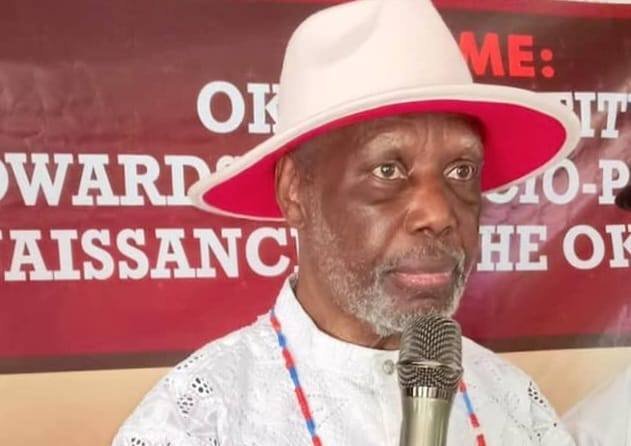
The Orodje’s declaration coincided with his directive that 20 Okpe nationals be submitted as delegates to the Urhobo Progress Union (UPU), a move critics interpret as aligning with forces undermining Okpe autonomy. In response, the Okpe Union’s National Executive Council convened on November 15, 2025, to formally refute the monarch’s claims.
Historically, the Okpe people trace their origins to migrations from the Benin Kingdom during the reign of Oba Ozolua (1483–1504 AD). Prince Okpe, a son of the Benin royal lineage, and his four sons—Orhue, Orhoro, Evbreke, and Esezi—established the Okpe Kingdom, developing a distinct territory, political structure, and monarchy.
Scholars assert that the colonial-era classification of Okpe as “Western Urhobo” was an administrative convenience by British authorities, not an ethnographic fact. British anthropologist R.E. Bradbury noted in 1970 that the Okpe were culturally closer to the Edo-speaking Benin people than to the Urhobo. The Okpe Union argues that, unlike the successfully recognized Isoko people who were labeled “Eastern Urhobo,” the Okpe continue to fight against this colonial misclassification.
The Union stresses that the Okpe language is distinct, not a dialect. “A dialect, by definition, is a regional or social variant of a primary language, whereas Okpe constitutes a fully distinct language with unique grammar, vocabulary, and oral traditions,” the council stated. They maintain that Okpe satisfies all criteria for a distinct ethnic nationality: common ancestry, shared language, unique traditions, defined territory, and political cohesion.
The timing of the Orodje’s statement has raised questions about political motivations ahead of the 2027 elections. Analysts suggest the declaration risks undermining Okpe cohesion for external political gain. A senior chief in the palace admitted that internal actors with Urhobo parentage have dominated policy in the kingdom, suggesting a possible “fifth column” influencing the pronouncement.
This stance marks a dramatic shift from the Orodje’s earlier positions. In 2006, he hosted the first Okpe Voice World Conference to affirm Okpe distinctness. In 2007, he told the Okpe Union of North America, “Okpe is a unique ethnic nationality with distinctive roots in ancient history, tradition, culture, customs, and language.”
However, from around 2010, his advocacy reportedly weakened for personal political ambitions, including within the Delta State Traditional Rulers’ Council. He publicly cautioned the Okpe Union against pursuing ethnic recognition while internally endorsing Okpe identity, a duality that culminated in the November 2025 video.
The implications of denying Okpe ethnicity are tangible, affecting governance, educational language instruction, and cultural preservation. Barr. Kingsley Ehensiri Akpederin warned, “When the leadership of a people claim the identity of a neighboring nation for political correctness, they have wittingly or unwittingly opted to destroy their own identity, language, arts, and the self-esteem of the people.”
Prof. Kenneth Eni noted that only a few Okpe unaware of their roots might support the Urhobo narrative, adding that “the Urhobo themselves do not consider Okpe as Urhobo.”
The Okpe Union asserts that the monarchy, while a vital symbol, cannot unilaterally redefine the ethnicity of the people. They call for unity and continued advocacy for recognition. “The struggle for recognition is long and arduous, but the preservation of identity is non-negotiable,” the Union stated.
The controversy serves as a cautionary tale on political expediency overriding historical truth. The Okpe Union concludes, “Okpe is not Urhobo. Okpe is a distinct nationality with a proud history, resilient culture, and a language that deserves recognition. History will judge the Orodje’s declaration, but the resilience of the Okpe Nation ensures that truth, not political convenience, will prevail.”