
War
Iran Creates New Agency to Regulate Hormuz Shipping During Ongoing US Negotiations

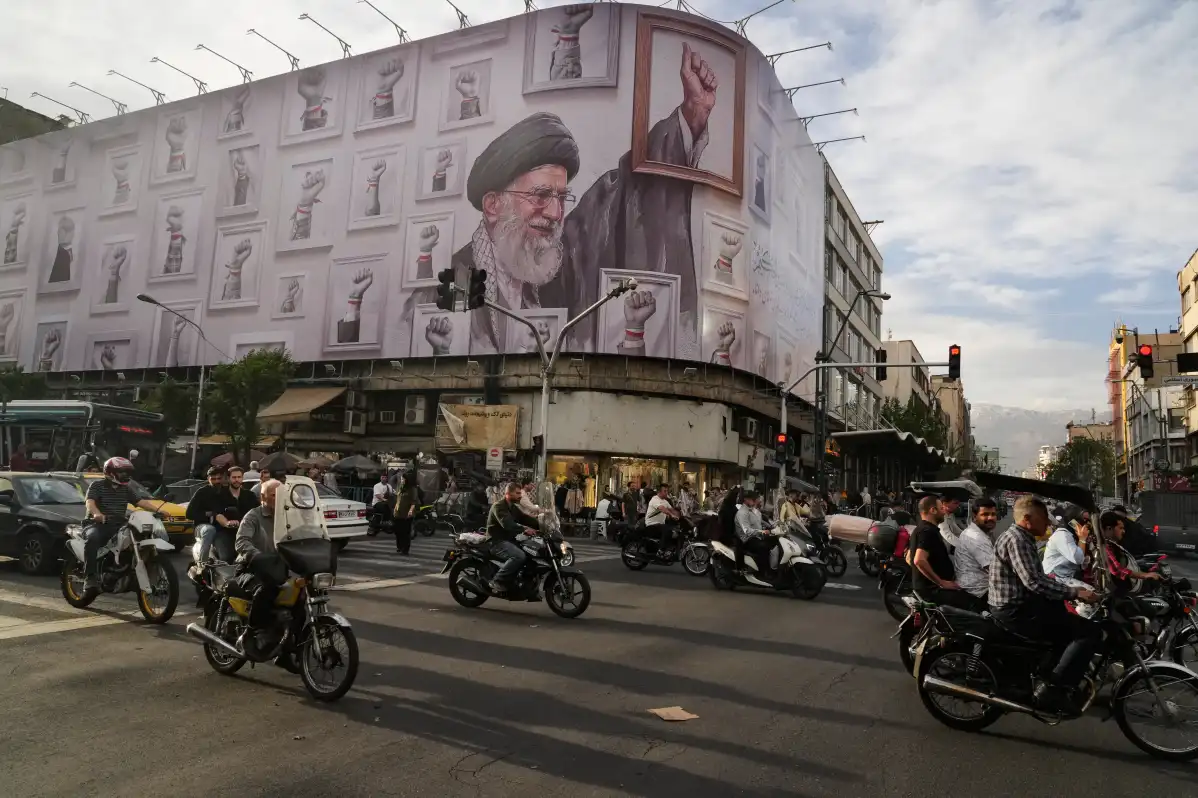
Iran has established a new government agency to oversee and regulate maritime traffic through the strategic Strait of Hormuz, a move that has heightened global concerns over freedom of navigation and energy security as Tehran simultaneously reviews a peace proposal from the United States.
The newly formed body, named the Persian Gulf Strait Authority, is expected to supervise vessel transit, issue approvals for passage and impose tolls on some commercial ships using the vital waterway, according to reports from shipping intelligence platforms and international media.
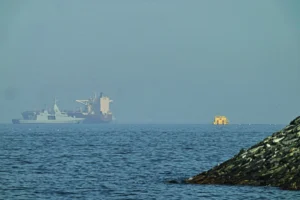
The Strait of Hormuz remains one of the world’s most important oil transit routes, with nearly a fifth of global oil shipments normally passing through the narrow channel linking the Persian Gulf to international waters.
The development comes amid rising tensions between Iran and the United States following months of military confrontations and disruptions to shipping in the Gulf region. Tehran has accused Washington of escalating pressure through naval operations and sanctions, while the US has repeatedly called for unrestricted international access to the strait.
Iranian authorities say the new agency is intended to organize maritime movement and enhance security in the area. However, maritime experts and Western officials argue that the move could further undermine international shipping norms and increase risks for commercial vessels operating in the region.
At the same time, Iran confirmed it is reviewing a US-backed proposal aimed at ending the ongoing conflict and restoring stability in the Gulf. The proposed agreement reportedly includes measures linked to sanctions relief, regional security arrangements and the reopening of maritime routes.
US President Donald Trump recently signaled optimism about possible diplomatic progress, leading Washington to temporarily pause parts of its “Project Freedom” naval escort initiative in the Strait of Hormuz.
Despite the diplomatic efforts, tensions remain fragile. Oil prices have continued to fluctuate sharply due to fears of supply disruptions and uncertainty surrounding negotiations between both countries.
Several international observers warn that any prolonged restrictions in the Strait of Hormuz could have major consequences for global energy markets, trade flows and economic stability worldwide.