
War
US Says Iran Slashes Oil Output as Export Pressures Mount

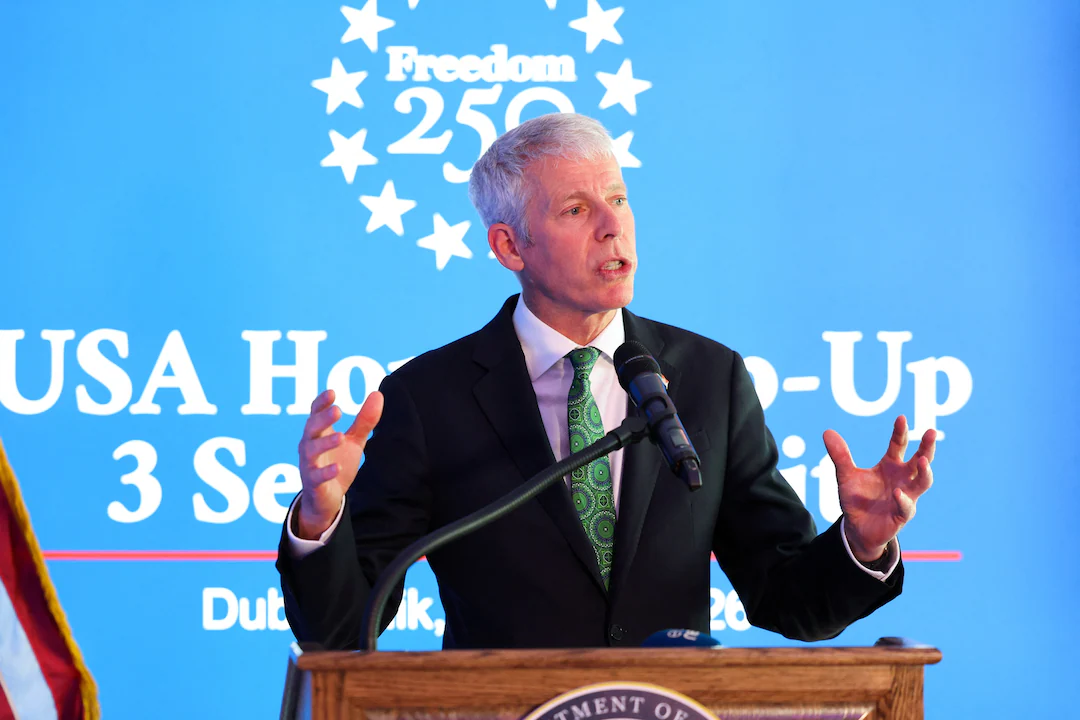
Iran has reduced its oil production by approximately 400,000 barrels per day, according to United States Energy Secretary Chris Wright, amid mounting pressure on Tehran’s energy exports and growing tensions in the Gulf region.
Speaking during an interview with Fox News on Thursday, Wright said Iran appeared to have already begun cutting production as oil storage facilities near capacity due to difficulties exporting crude oil.
“It looks like they’ve likely already cut back their production, maybe by 400,000 barrels a day,” Wright said, adding that Tehran may be forced to reduce output further if exports remain constrained.
According to U.S. officials, the decline comes amid ongoing disruptions linked to the American naval blockade imposed on Iran in April during the broader Iran conflict. Shipping data cited by Reuters showed a sharp fall in Iranian oil tanker departures in recent weeks, with exports dropping significantly compared to March levels.
Energy analysts say the reduction in Iranian supply could further tighten global oil markets already affected by instability around the Strait of Hormuz, one of the world’s most important oil shipping routes. Roughly 20% of global oil trade passes through the strait.
Despite fears of a prolonged supply disruption, oil prices fell slightly on Thursday as markets reacted to renewed hopes of possible diplomatic talks between Washington and Tehran. Brent crude traded below $100 per barrel after weeks of volatility triggered by the regional conflict.
Wright warned that continued production cuts could damage some of Iran’s ageing oil fields if pressure builds in storage systems and wells are forced to shut down for long periods. Analysts note that restarting mature oil reservoirs can sometimes be technically difficult and expensive.
Iranian authorities have not officially confirmed the reported reduction in output. However, Tehran has repeatedly accused the United States of attempting to cripple its economy through sanctions and military pressure targeting its energy sector.