
General News
Iran Launches Fresh Missile Attacks on Israel Amid Conflicting Claims Over Trump-Led Talks

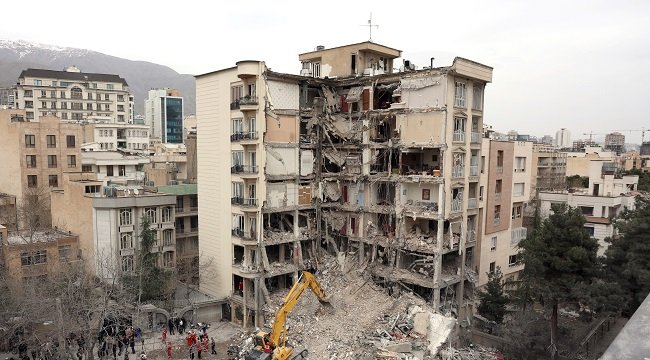
Iran fired a new wave of missiles at Israel early Tuesday, escalating tensions in the Middle East just hours after US President Donald Trump claimed progress in efforts to end the conflict.
The renewed strikes came despite Tehran’s firm denial that any negotiations were underway with Washington, contradicting Trump’s assertion of “very good” talks aimed at halting hostilities.
According to Iranian state media, the missiles targeted locations in Israel, while Israeli emergency services confirmed damage to a building in the northern region but reported no casualties.
Trump’s remarks had earlier stirred global markets, easing fears temporarily as oil prices dipped. He revealed that his administration was in contact with a “top” Iranian figure and expressed optimism about reaching a deal within days. However, he warned that failure to secure an agreement could lead to intensified US military action.
Reports by Axios identified the alleged Iranian contact as Mohammad Bagher Ghalibaf, though Tehran swiftly dismissed the claim. Iranian officials, including foreign ministry spokesman Esmaeil Baqaei, insisted no formal discussions had taken place, accusing Washington of attempting to manipulate global oil markets.
Israel’s Prime Minister Benjamin Netanyahu acknowledged Trump’s optimism but maintained that Israel would continue its military operations against Iran and its allies, including Hezbollah in Lebanon.
“Israel will not relent in defending itself,” Netanyahu said, noting that any potential agreement would need to reflect recent military gains.
The conflict has expanded beyond Israel and Iran, with Lebanese authorities reporting multiple Israeli airstrikes on southern Beirut overnight. Israel has also intensified ground operations against Hezbollah, warning of prolonged fighting.
Tensions have significantly impacted global energy markets, particularly around the Strait of Hormuz, a critical route for about 20 percent of the world’s oil supply. Iran has threatened to disrupt traffic through the strait and target regional infrastructure in retaliation for attacks.
International Energy Agency chief Fatih Birol warned that a prolonged conflict could trigger an energy crisis surpassing previous global shocks, including those of the 1970s and the fallout from the Russia-Ukraine war.
Oil prices, which had surged above $100 per barrel amid the conflict, fell sharply following Trump’s comments, while global stock markets rallied.
Meanwhile, diplomatic efforts appear uncertain. Pakistan’s Prime Minister Shehbaz Sharif confirmed speaking with Iran’s President to explore pathways to peace, offering Islamabad’s support in de-escalating the crisis.
Despite the diplomatic signals, the situation on the ground remains volatile. Thousands of US troops are being deployed to the region, reinforcing Washington’s military presence amid speculation of possible expanded operations.
Casualty figures continue to rise, with reports indicating thousands of deaths in Iran, including civilians, although independent verification remains difficult due to restricted access.
The latest developments underscore the fragile state of diplomacy as military actions intensify, raising fears of a broader regional conflict with global economic consequences.