
BREAKING NEWS
Iran Urges US to Accept Deal to Reopen Strait of Hormuz Within Seven Days

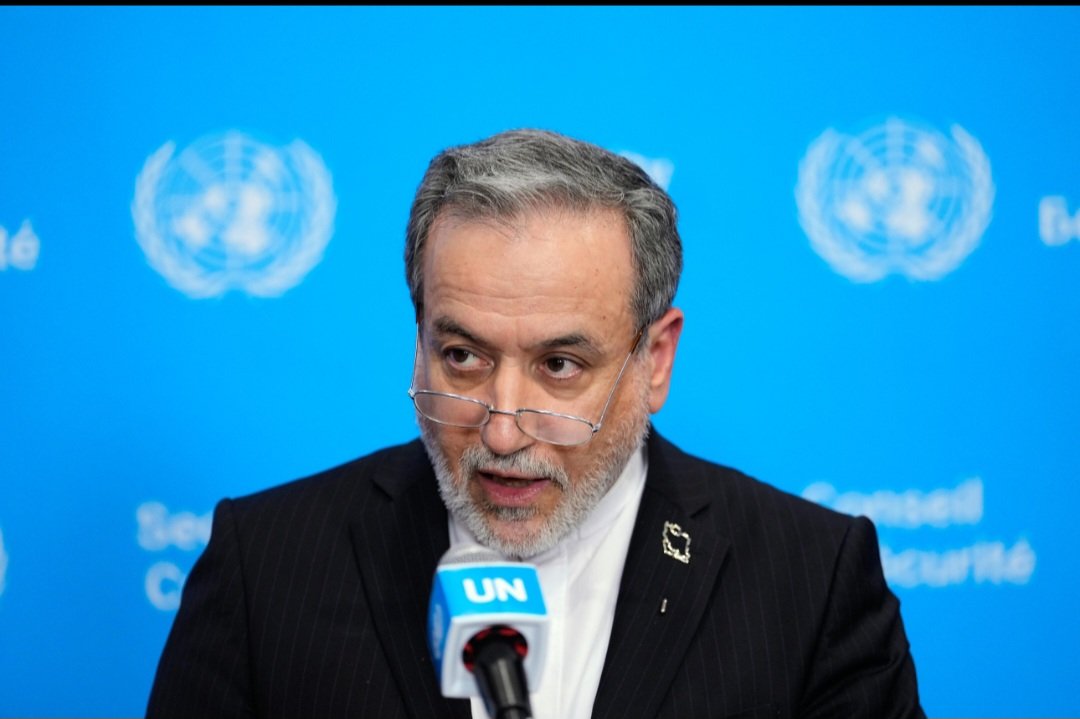
Iran has renewed its call for the United States to accept a proposal to reopen the strategically important Strait of Hormuz, saying the offer remains on the table despite stalled negotiations between the two countries.
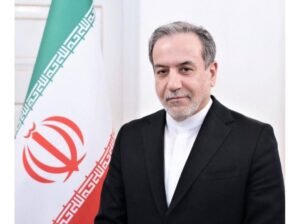
Iranian Foreign Minister Abbas Araqchi said on Sunday, October 18, that Tehran was still prepared to implement the plan, which could restore shipping through the waterway within six days if Washington accepted Iran’s conditions. Talks on a broader agreement would resume on the seventh day, according to Reuters.
Iran presented the proposal in mid-September following the collapse of an interim ceasefire. The plan calls for the United States to lift its naval blockade of Iranian ports, remove sanctions on Iranian oil exports and end hostilities across regional fronts.
Araqchi said Washington had sent comments on the proposal, which Tehran was reviewing. However, negotiations have stalled, with Iranian officials arguing that the US response did not adequately address all seven conditions.

A major point of disagreement remains Iran’s nuclear programme. Washington wants the issue addressed from the outset of negotiations, including a significant reduction in Iran’s uranium-enrichment capacity. Tehran, however, wants the immediate priority to be restoring maritime security and reopening the strait.
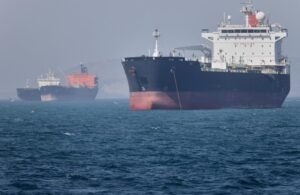
The Strait of Hormuz is one of the world’s most important energy shipping routes. Before the conflict, roughly one-fifth of global oil and liquefied natural gas trade passed through the narrow waterway, making disruptions there a major concern for energy markets and international shipping.
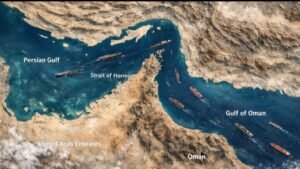
The dispute has heightened concerns about the impact of prolonged restrictions on energy supplies, trade and prices. A reopening could ease pressure on shipping, but any agreement would depend on both countries resolving their differences over sanctions, security arrangements and Iran’s nuclear activities.
For now, there is no confirmed agreement to implement the proposal. The next steps will depend on whether Washington and Tehran can bridge their differences and agree on conditions for restoring passage through the strategic waterway.