
War
Israel Says Iran Fires Missiles in First Direct Attack Since Ceasefire Began

A fragile ceasefire between Israel and Iran faced its most serious challenge yet on Sunday after Israel said Iran launched missiles toward its territory, marking the first direct Iranian bombardment since a truce brokered in April brought weeks of intense fighting to a halt. Israeli authorities said air raid sirens sounded across parts of northern Israel as defense systems were activated to intercept the incoming missiles.
According to the Israeli military, several missiles were fired from Iran in two separate salvos. The Israel Defense Forces (IDF) said its air defense network successfully engaged the threats, while emergency services reported no immediate fatalities. Residents in affected areas were instructed to seek shelter as a precaution.
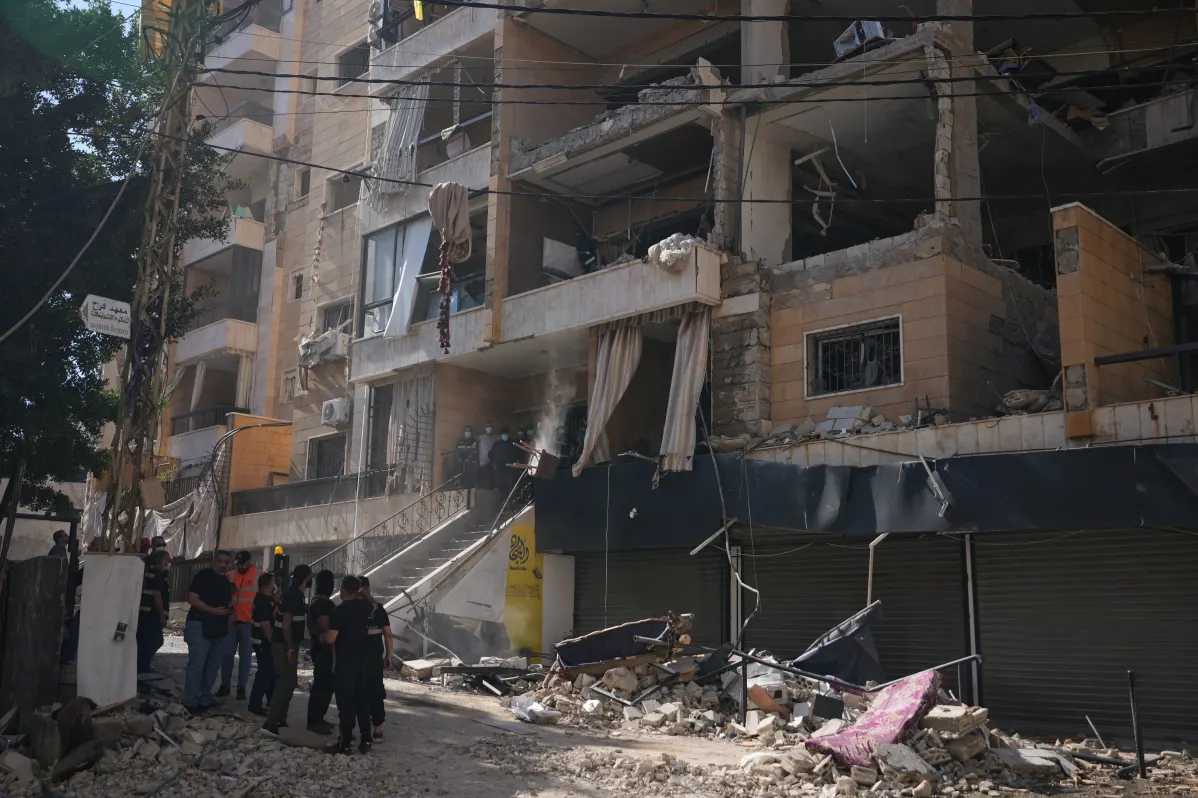
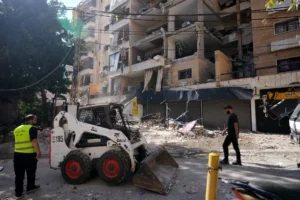
The attack came hours after Israeli warplanes struck targets in Beirut’s southern suburbs, an area regarded as a stronghold of the Iran-backed Hezbollah movement. Israeli officials said the operation was conducted in response to earlier attacks launched from Lebanon, while Iran condemned the strike and warned that continued military actions against its allies would provoke retaliation.
Iran’s Islamic Revolutionary Guard Corps (IRGC) later claimed responsibility for the missile launches, describing them as a response to what it called repeated Israeli violations of regional ceasefire arrangements. Iranian officials warned that further attacks on Lebanon or Iranian interests could trigger additional military action.
The latest exchange has heightened concerns among international mediators attempting to preserve a broader peace process in the region. Diplomatic efforts led by the United States, alongside regional partners including Qatar and Egypt, have sought to prevent a return to full-scale conflict following the devastating Iran-Israel war earlier this year.
Analysts say Sunday’s missile barrage represents the first direct Iranian strike against Israel since the April ceasefire and could significantly complicate ongoing negotiations aimed at reducing tensions across the Middle East. Regional governments have urged restraint, warning that any further escalation risks drawing additional countries and armed groups into the conflict.
Israeli Prime Minister Benjamin Netanyahu has not yet announced any retaliatory measures, though military officials indicated that Israel remains on heightened alert. Meanwhile, Iranian leaders have insisted that their actions were defensive and linked directly to Israeli operations in Lebanon.
The incident underscores the fragility of the ceasefire that has largely held since April and raises fresh fears that the region could slide back into a broader confrontation if diplomatic efforts fail to contain the latest escalation.