General News
IWD 2026: CISLAC Demands Urgent Gender Reforms, Warns of Setback in Women’s Rights

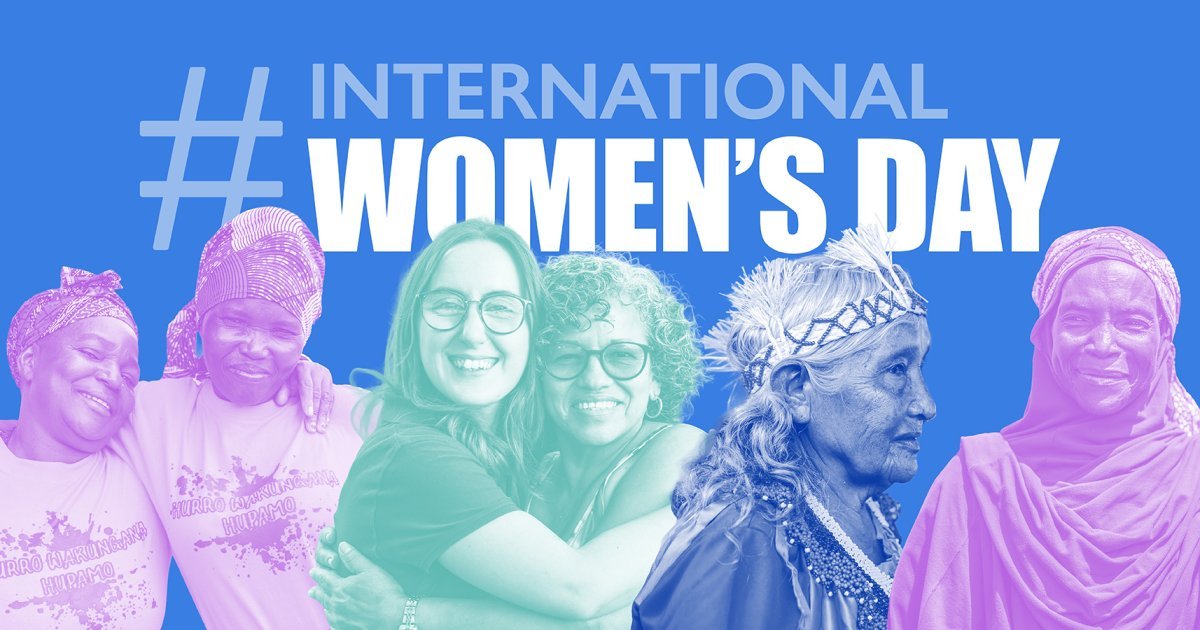
The Civil Society Legislative Advocacy Centre (CISLAC) has called for sweeping reforms in Nigeria’s legal, political and institutional frameworks to advance the protection, development and full participation of women and girls, warning that the country risks reversing gains already made in promoting women’s rights.
In a statement marking the International Women’s Day 2026, the Executive Director of CISLAC, Auwal Musa Rafsanjani, said that despite growing awareness of gender equality, persistent structural barriers continue to limit women’s role in governance and national development.
Rafsanjani noted that discrimination, weak representation in leadership positions and limited access to opportunities remain major challenges preventing women from fully participating in Nigeria’s democratic processes.
He stressed that Nigeria must move beyond symbolic gestures and adopt deliberate gender-transformative policies that address gaps in laws, governance structures and justice systems affecting women.
According to him, meaningful reforms in governance and institutional practices are essential to accelerate the advancement of women and girls, warning that failure to act decisively could erode progress already achieved in the fight for gender equality.
CISLAC also expressed concern over what it described as the lack of commitment by political parties to promote gender balance within their structures.
The organisation observed that the absence of strong affirmative action policies continues to limit women’s access to both elective and appointive political positions, thereby reducing their influence in shaping policies and governance outcomes.
Beyond politics, CISLAC highlighted the economic challenges faced by many Nigerian women, stating that limited access to credit facilities, financial services and economic opportunities has worsened poverty and vulnerability among women.
The organisation maintained that empowering women economically remains a key strategy for reducing poverty and promoting inclusive growth, stressing that women must be given greater access to productive resources and financial support.
CISLAC further raised alarm over the persistent cases of gender-based violence across the country, including attacks, harassment, kidnappings and other forms of abuse directed at women and girls.
It condemned all attempts to justify or normalise violence against women and called on government authorities and security agencies to strengthen accountability mechanisms, protect victims and ensure that perpetrators are brought to justice.
While acknowledging the resilience and contributions of Nigerian women in sectors such as governance, business, education, healthcare and community leadership, the organisation stressed that stronger institutional commitment is required to dismantle the systemic barriers that hinder women’s progress.
CISLAC therefore urged government institutions, political parties, civil society groups and the private sector to collaborate in strengthening policies, expanding economic opportunities and enforcing legal protections that will advance gender equality in the country.
The organisation reaffirmed its commitment to promoting transparency, accountability and inclusive governance while continuing to advocate reforms that guarantee the rights, dignity and full participation of women and girls in Nigeria’s development.